

Navigating the Australian recycling industry requires a clear understanding of the current metal scrap price list. Whether you are a trade contractor, a demolition firm, or an individual collector, knowing how market fluctuations impact your bottom line is essential. The value of your scrap is not static; it is a dynamic reflection of global industrial demand, currency exchange rates, and the energy costs associated with refining raw ore versus recycling existing scrap. For those looking to optimize their logistics, understanding How To Export Scrap Metal Internationally provides a strategic advantage when dealing with large volumes. Our Comprehensive Scrap Metal Price List: Market Rates & Trends serves as your primary resource for tracking these shifts in real-time.
How Metal Scrap Prices Are Determined
The metal scrap price list you see at your local yard is the final link in a complex global supply chain. Prices are fundamentally anchored to the London Metal Exchange (LME), which sets the benchmark for non-ferrous metals like copper, aluminium, and nickel. However, the price you receive per kg is rarely the LME spot price. Instead, local scrap yards apply a series of deductions and adjustments. These include the cost of processing (shearing, shredding, and sorting), logistics, and the specific purity grade of your material. When you search for the Best Scrap Metal Prices Near Me, you are essentially looking for a yard that operates with high efficiency, lower overheads, and direct access to end-market smelters. The Australian dollar (AUD) also plays a critical role; because most metals are traded in USD, a weaker Australian dollar can increase the local value of scrap, while a stronger dollar may compress margins. Furthermore, local demand—such as a surge in construction projects—can create regional premiums, allowing sellers to secure higher rates near major industrial hubs.
Understanding Metal Grades and Purity
Grading is the most significant factor influencing your payout. High-grade materials are cleaner, easier to melt, and require less energy to process, making them more valuable to recyclers. For instance, ‘Bright and Shiny’ copper wire is consistently the most valuable scrap metal due to its lack of insulation and oxidation. Conversely, ‘Number 2’ copper, which may contain solder or light oxidation, commands a lower price. Aluminium is similarly graded; cast aluminium is worth less than clean, wrought aluminium extrusions because of the impurities like iron or silicon often found in cast parts. Steel is typically categorized by density and size. Heavy Melting Steel (HMS) 1 and 2 are the industry standards for structural steel, while light gauge steel or ‘white goods’ (appliances) often fetch lower returns due to the high volume of non-metallic contaminants like plastics and glass. To maximize your returns, always segregate your scrap at the source. Mixing high-grade copper with brass, or steel with aluminium, will result in the entire load being downgraded to the value of the cheapest component. Professional recyclers at Scrap Trade Australia emphasize that pre-sorting is the single most effective way to improve your profit margins.
The Economics of Metal Recycling
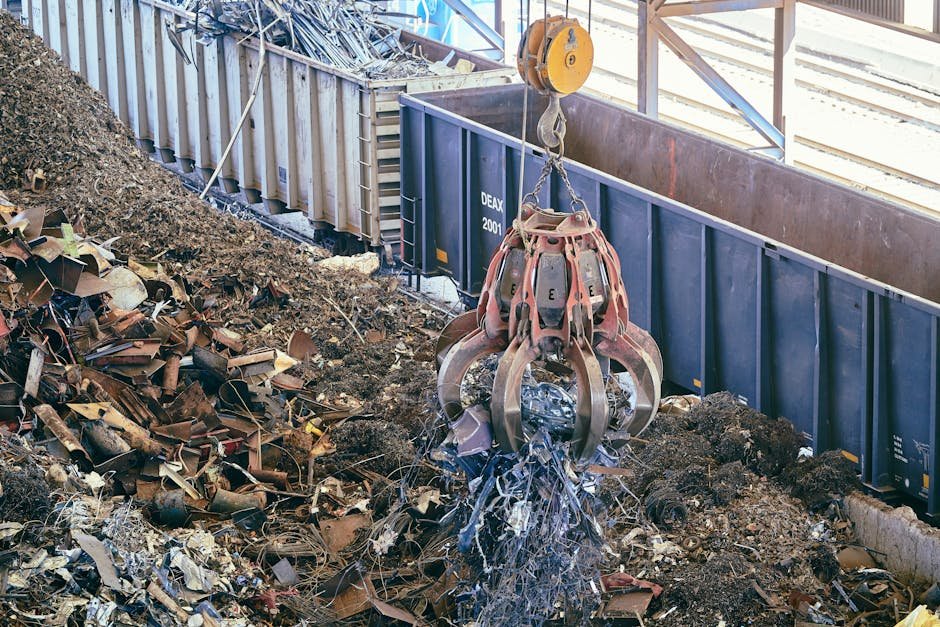
Recycling metal is not just an environmental initiative; it is a cornerstone of the circular economy. The process begins with collection and transportation, followed by a rigorous sorting phase. Modern scrap yards utilize advanced technology, including X-ray fluorescence (XRF) analyzers and eddy current separators, to identify metal compositions instantly. Once sorted, metals are shredded or baled to reduce volume for shipping. The environmental benefits are staggering: recycling aluminium requires 95% less energy than producing it from raw bauxite ore. For steel, the savings are approximately 75%. By utilizing this metal scrap price list as a tool, you are participating in a global effort to reduce carbon emissions and preserve finite natural resources. Furthermore, the reliance on recycled metal reduces the need for destructive open-cut mining operations, which protects local ecosystems. As global regulations tighten around carbon taxes and ESG (Environmental, Social, and Governance) reporting, the demand for recycled ‘green’ metal is expected to rise, potentially creating a long-term upward trend in scrap values.
Strategic Tips for Maximizing Scrap Returns
To consistently secure the best market rate, you must treat your scrap as a commodity. First, monitor the Scrap Metal Prices regularly to understand the timing of the market. Selling during a period of high industrial activity is always better than selling during a lull. Second, build a relationship with a reputable yard. Yards often provide better service and more competitive pricing to regular, reliable suppliers who provide clean, well-sorted material. Third, invest in basic processing tools. Stripping insulation off copper cable using a wire stripper can increase the weight-to-value ratio significantly. Fourth, keep an eye on logistical costs. Transporting small, frequent loads is inefficient. Accumulate enough volume to make a single trip to the yard worth the fuel and time investment. Finally, always ask for a scale calibration check if you suspect the weight is inaccurate, and ensure you have a clear understanding of the yard’s grading criteria before you unload. By treating the process with professional rigor, you transform scrap from a waste management headache into a consistent revenue stream.
Global Market Trends and Future Outlook
The Australian scrap industry is heavily influenced by the manufacturing output of major global economies, particularly China and Southeast Asia. When these regions increase infrastructure spending, the demand for Australian scrap iron and copper spikes. Conversely, trade barriers and shipping disruptions can cause domestic gluts, driving prices down. We are currently seeing a shift toward ‘decarbonized’ steel production, where electric arc furnaces (EAF) are replacing traditional blast furnaces. EAFs rely heavily on high-quality scrap metal as a feedstock. This technological shift is a massive tailwind for the scrap industry, as it ensures that scrap will remain a critical raw material for the foreseeable future. Investors and industrial players are increasingly looking at the scrap supply chain as a critical infrastructure asset. Keeping track of the Comprehensive Scrap Metal Price List: Market Rates & Trends will allow you to anticipate these shifts and adjust your collection strategies accordingly. As we move toward a more sustainable industrial model, the value proposition of recycled metal will only strengthen, making now an excellent time to formalize your recycling operations.
The Role of Technology in Modern Scrap Yards
The days of manual sorting by eye are fading. Today, cutting-edge technology ensures that scrap yards can extract maximum value from every load. Optical sorters, which use high-speed cameras and air jets to separate metals by color and texture, have revolutionized the efficiency of sorting non-ferrous metals. Magnetic separators are standard for extracting ferrous materials from mixed waste streams. For the seller, this means that your scrap is being processed with higher precision, leading to more accurate grading and fairer payouts. When you visit a facility that utilizes these technologies, you can be confident that the price you are quoted is based on a precise analysis of your material’s composition. This transparency is vital for building trust in the industry. Furthermore, digital platforms and mobile apps are now providing real-time data on metal scrap price list fluctuations, allowing sellers to make informed decisions without having to call multiple yards. Integrating these tools into your workflow ensures you are never selling at an outdated rate. As the industry continues to digitize, the gap between informed sellers and those who rely on outdated information will only widen, making the adoption of digital price tracking a necessity for any serious operator.
Environmental Impact and Corporate Responsibility
Beyond the financial incentives, the scrap metal industry is a vital player in global sustainability. Every kilogram of metal recycled is a kilogram that does not need to be mined, processed, and transported from a virgin source. This significantly reduces the total energy footprint of the manufacturing sector. For businesses, participating in a robust recycling program is a key component of their Corporate Social Responsibility (CSR) goals. By providing documented proof of recycling, companies can improve their sustainability ratings, which is increasingly important for securing contracts with government bodies and large corporations. Our commitment to providing an accurate metal scrap price list is rooted in the belief that transparency drives participation. When people see the tangible value of their scrap, they are more likely to recycle it properly rather than sending it to a landfill. This reduces soil and water contamination, as heavy metals from discarded electronics and appliances can leach into the environment if not handled correctly. By choosing to work with certified, professional recyclers, you are ensuring that your waste is handled in accordance with strict environmental standards, protecting the Australian landscape for future generations. The synergy between economic gain and environmental stewardship is the hallmark of a mature, responsible scrap metal industry, and it is a path that every participant in the Australian market should embrace.
Frequently Asked Questions
Why do scrap metal prices change so often?
Prices fluctuate based on global commodity demand, the strength of the Australian dollar against the US dollar, and local industrial activity. Because metal is a global commodity, it is subject to the same market forces as oil or gold.
Does cleaning my scrap metal really make a difference in price?
Yes, significantly. Removing insulation, plastic, or foreign attachments like iron bolts from copper or aluminium increases the purity, which allows the yard to pay you a higher grade rate rather than a lower ‘mixed’ rate.
What is the difference between ferrous and non-ferrous scrap?
Ferrous metals contain iron and are magnetic, such as steel and iron, and are generally lower in price per kg. Non-ferrous metals do not contain iron, such as copper, aluminium, and brass, and typically command much higher market prices.
How can I find the most reliable scrap yard?
Look for yards that are transparent about their grading process, offer clear price lists, and have proper environmental certification. Checking online reviews and visiting our guide on finding the best prices can help you identify reputable local operators.