

Navigating the complex landscape of scrap metal prices steel requires a deep understanding of how global commodities influence local Australian markets. As a primary component in the circular economy, steel recycling is a sophisticated industry that transforms end-of-life infrastructure into high-value raw material. Whether you are a construction firm clearing a site or a homeowner managing a renovation, knowing how to maximize your returns starts with understanding the current market dynamics. For those seeking the most up-to-date data, our comprehensive guide on Scrap Metal Prices provides essential insights into the volatility of the ferrous metal market.
The Mechanics of Scrap Metal Prices Steel
The pricing of scrap steel is rarely static. It is governed by a global supply and demand chain that starts with iron ore extraction and ends with the production of new steel products. When you look at scrap metal prices steel, you are essentially looking at a commodity price that reflects the cost of energy, labor, and logistics required to melt and reform metal. In Australia, these prices are heavily influenced by the export demand from major manufacturing hubs in Asia, primarily China and South Korea. When global construction activity surges, the demand for recycled steel spikes, driving up the price per tonne for scrap yards.
Local factors also play a massive role. The distance between your scrap source and the nearest processing facility will impact the net return, as transport costs are deducted from the gross value. To find the most competitive rates, many professionals utilize tools to find the Best Scrap Metal Prices Near Me to ensure they are not losing margin to unnecessary logistics. Furthermore, the grade of the steel—whether it is clean mild steel, structural steel, or light gauge sheet—dictates the final payout. Higher-grade, contaminant-free steel is always more valuable because it requires less processing time at the furnace.
Understanding Steel Grades and Their Valuation
Not all scrap is created equal. The industry categorizes ferrous scrap into specific grades, each with its own price point. Understanding these grades is the most effective way to improve your bottom line. Mild steel, for example, is highly sought after due to its versatility and ease of recycling. Conversely, steel contaminated with plastics, rubber, or excessive rust is classified as ‘dirty’ or ‘mixed’ scrap, which fetches a significantly lower price per kg. For a detailed breakdown of how these grades are categorized, refer to our expert resource on Steel Scrap Metal Prices in Australia: Market Rates, Recycling, where we outline the technical specifications that yard operators use to grade your load.
When preparing your scrap, sorting is non-negotiable. If you mix high-grade structural steel with low-grade light iron, the entire load will often be valued at the lower rate. By separating your materials, you ensure that you receive the premium scrap metal prices steel currently commands for high-quality, clean loads. Always aim to remove non-ferrous attachments like copper wiring or aluminum fittings before taking your load to the yard; these materials have their own distinct market values and should be sold separately to maximize your total payout.
How Recycling Works: The Journey of Scrap Steel
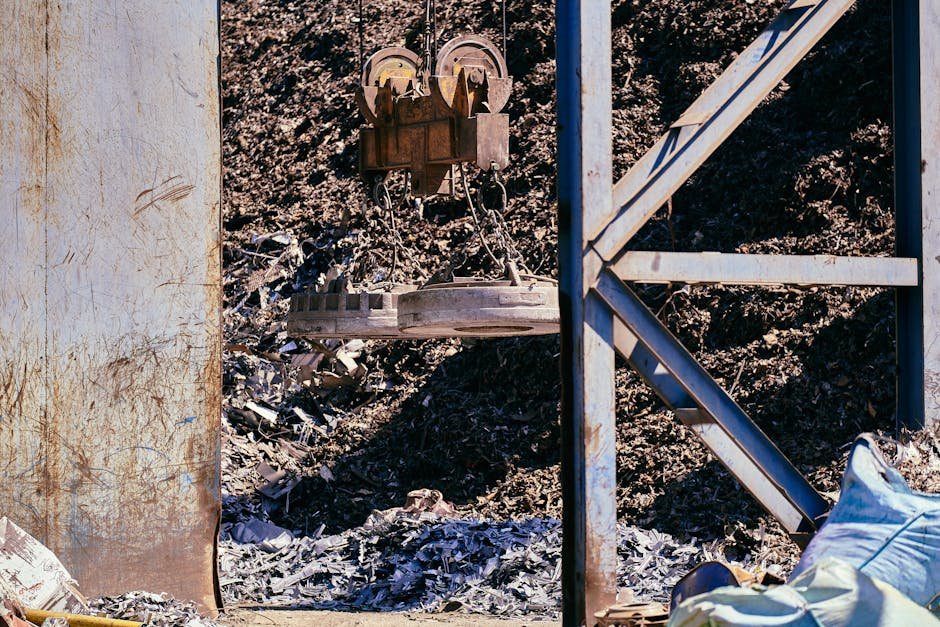
Recycling steel is an engineering marvel. Once your scrap is collected, it undergoes a series of rigorous processes to return it to a raw state. First, the material is weighed and inspected for contaminants. It is then fed into massive industrial shredders or shears that reduce the bulk material into manageable pieces. These pieces are then passed under powerful magnets to separate the ferrous steel from any remaining non-ferrous impurities. The purified steel is then compressed into dense bales, which are easier to transport and feed into electric arc furnaces.
The environmental benefits of this process are staggering. Recycling one tonne of steel saves over 1,100 kilograms of iron ore, 600 kilograms of coal, and 50 kilograms of limestone. Furthermore, using recycled steel in manufacturing consumes 75% less energy than producing steel from virgin iron ore. By participating in this ecosystem, you are not just clearing space; you are actively reducing the carbon footprint of the Australian construction and manufacturing sectors. For those looking to locate a reliable facility, searching for Scrap Metal Prices Near Me will connect you with local recyclers committed to these sustainable practices. For broader industry resources, you can also visit Scrap Trade Australia to stay informed on national recycling standards.
Factors Affecting Market Rates Today
Why do metal prices today change so frequently? The answer lies in the ‘spot price’ of steel on the global market. Because steel is a global commodity, it is traded on exchanges that react to geopolitical events, currency fluctuations, and shifts in industrial production. For instance, if the Australian dollar weakens against the US dollar, the price of exported scrap may increase in local terms, providing a temporary boost for domestic sellers. Conversely, an oversupply of iron ore can depress the entire steel market, leading to lower margins for scrap recyclers and, subsequently, lower payouts for individual sellers.
Storage and inventory management also play a role. When a scrap yard is full, they may lower their buying prices to discourage more volume until they can clear their current stock. Conversely, when they are low on inventory, they may offer higher prices to attract more material. This is why timing your sales can be just as important as the quality of the scrap itself. Monitoring market trends and maintaining a relationship with a reputable yard manager can give you early warnings on when prices are likely to shift, allowing you to plan your site clearances accordingly.
Practical Tips for Maximizing Your Returns
To consistently secure the best returns, you must treat your scrap as a business asset. Start by establishing a dedicated area on your site for sorting. Use clearly labeled bins to separate different grades of steel, such as heavy structural beams, pipes, and light gauge materials. This simple act of organization prevents the ‘mixed load’ penalty and ensures you are paid the highest possible price per kg for each category of metal. If you are dealing with large volumes, consider investing in a small digital scale to verify the weight of your loads before you reach the yard.
Communication is also key. Before arriving at a scrap yard, call ahead to ask about their current buying rates for the specific grade of steel you are bringing. Many yards are willing to offer better rates for large, clean, and well-sorted loads because it saves them time and labor. Building a long-term relationship with a specific yard can also lead to preferential pricing and faster turnaround times. Remember that the scrap industry is built on trust and consistency; being a reliable supplier of clean, sorted material will always make you a preferred customer.
The Future of Steel Recycling in Australia
The Australian scrap industry is currently undergoing a transformation driven by technology and environmental policy. Innovations in automated sorting technology, such as X-ray fluorescence (XRF) and advanced sensor-based sorting, are allowing recyclers to extract higher purity levels from lower-grade scrap. This means that even ‘difficult’ materials that were once considered waste are becoming viable for recycling. As the federal government continues to push for a circular economy, we expect to see more investment in domestic processing capabilities, which will reduce our reliance on export markets and stabilize local prices.
For the individual seller, this means the market for scrap steel is becoming more transparent and efficient. We are seeing a move away from the ‘mystery’ of yard pricing toward standardized, data-driven valuations. As you continue to engage with the recycling industry, prioritize partners who are transparent about their pricing models and committed to environmentally responsible disposal. By staying informed and maintaining high standards for your scrap, you are contributing to a more sustainable future while securing the best financial outcomes for your business or household.
Frequently Asked Questions
What is the difference between ferrous and non-ferrous scrap?
Ferrous metals contain iron, such as steel and iron, and are magnetic. Non-ferrous metals, like copper, aluminum, and brass, do not contain iron and are generally more valuable per kilogram.
How can I get the best price for my scrap steel?
The best way to maximize your return is to keep your scrap clean, dry, and well-sorted by grade. Removing non-metal attachments and delivering large, organized loads will ensure you receive the highest market rate.
Does the price of steel change daily?
Yes, scrap metal prices are volatile and can change daily based on global commodity markets, currency exchange rates, and local supply and demand. It is always wise to check current rates with your local yard before transporting your material.
Why is ‘dirty’ scrap worth less?
Dirty scrap contains contaminants like plastic, wood, or concrete that must be removed before the steel can be melted. This increases processing costs and time, which the yard deducts from the price they pay you for the raw material.