

Understanding the nuances of scrap brass prices is essential for anyone looking to maximize their returns in the Australian recycling industry. As a copper-zinc alloy, brass is a highly sought-after industrial material, and its value is inextricably linked to the volatility of global commodity markets. Whether you are a trade professional dealing with plumbing waste or a homeowner clearing out a workshop, knowing how to categorize your metal is the first step toward securing the best financial outcome. For a broader overview of the industry, you can check our live Scrap Metal Prices page to see how brass compares to other non-ferrous metals.
The Mechanics of Scrap Brass Prices
The market rate for scrap brass is never static. It is determined by the London Metal Exchange (LME), which sets the baseline for copper and zinc. Because brass is primarily composed of these two elements, its value rises and falls in direct correlation with these base metals. When you search for Scrap Prices, you are essentially viewing a snapshot of global supply and demand. If the global construction industry is booming, demand for new brass fittings increases, which in turn drives up the value of scrap brass as manufacturers look for cheaper, recycled feedstock.
Local factors also play a massive role in the price per kg you receive at the yard. Transport costs, the volume of material you are bringing in, and the specific processing capabilities of your local scrap dealer all impact the final offer. If you are looking for a facility near you, use our Scrap Metal Prices Near Me tool to identify reputable buyers in your region. It is a common misconception that all yards pay the same; in reality, larger facilities with direct export contracts often provide better margins than smaller, localized collection points.
Understanding Brass Grades and Purity
Not all brass is created equal. To get the best price, you must understand the difference between high-quality clean brass and contaminated scrap. Yellow brass is the most common grade found in residential and commercial plumbing, consisting of brass fittings, valves, and taps. This is the standard for most scrap transactions. However, if your material contains heavy amounts of solder, steel screws, or plastic attachments, it will be downgraded to ‘dirty’ brass, significantly lowering the payout.
For those interested in a deeper dive into the technical specifications of these materials, our Scrap Brass Prices Per KG: A Comprehensive Market Guide provides a granular look at how different alloys influence the final valuation. Always aim to ‘clean’ your scrap before heading to the yard. Removing a steel screw from a brass valve can shift your material from a lower-value category to a premium one. This simple act of preparation is the single most effective way to increase your profit per kilogram.
Factors Influencing Metal Prices Today
Global economic conditions are the primary drivers of scrap brass prices. When the Australian dollar is strong against the US dollar, imported metal becomes cheaper, which can sometimes suppress local scrap rates. Conversely, when the AUD is weak, exports become more attractive, often pushing prices up. Beyond currency, energy prices play a silent but deadly role in the scrap market. Recycling brass requires melting the metal in high-heat furnaces; when energy costs spike, the cost to process scrap increases, which is often passed down to the scrap seller in the form of lower buying rates.
Geopolitical stability also impacts the supply chain. Since much of the world’s scrap brass is processed in large-scale facilities in Asia, any disruption to shipping lanes or trade tariffs can cause immediate volatility in the market. Traders must keep a close eye on these macro trends to anticipate when to hold their scrap and when to sell. You can find expert analysis on these trends by visiting Scrap Trade Australia, which provides localized insights for the Australian market.
The Recycling Process: From Scrap to New Product
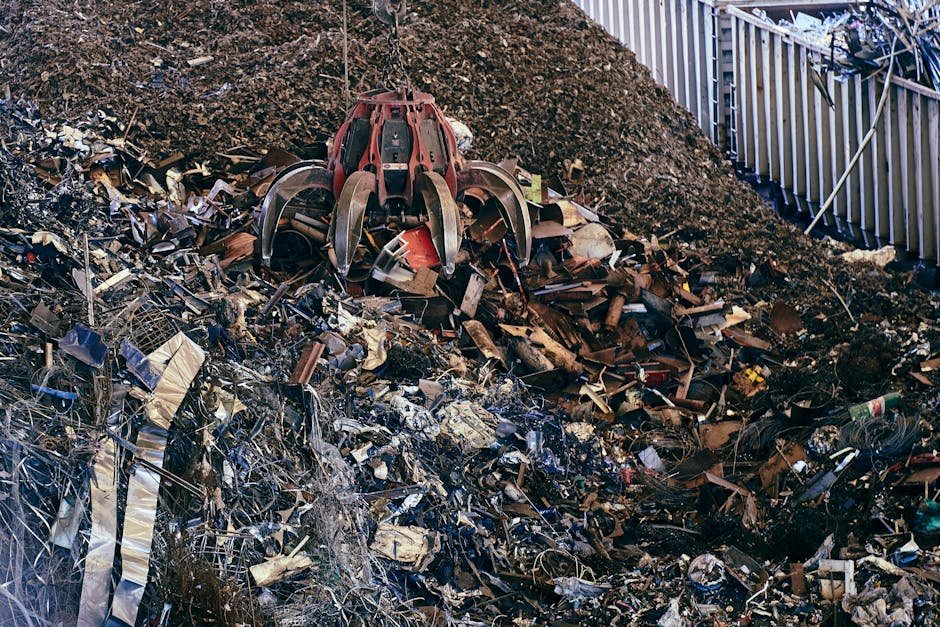
The journey of a brass fitting from your hands to a new product is a marvel of industrial efficiency. Once you drop off your scrap, the yard performs an initial sort. Advanced yards use X-ray fluorescence (XRF) analyzers to determine the exact chemical composition of the alloy. This technology allows them to separate high-zinc brass from high-copper brass with perfect accuracy. Once sorted, the brass is shredded and cleaned of any remaining non-metallic contaminants.
After cleaning, the brass is melted down in a furnace, where it is refined and adjusted to meet specific industrial standards. The molten metal is then cast into ingots or billets, which are sold to manufacturers to create new brass pipes, fittings, and decorative items. This closed-loop system is highly efficient; brass can be recycled indefinitely without losing its physical properties. This makes it one of the most sustainable materials in the modern construction industry.
Environmental Benefits of Brass Recycling
The environmental case for recycling brass is compelling. Mining for virgin copper and zinc is an energy-intensive process that involves massive land disruption and significant carbon emissions. By choosing to recycle your brass, you are directly reducing the need for new mining operations. Recycling brass requires approximately 85% less energy than producing brass from raw ore. This reduction in energy consumption translates to a massive decrease in greenhouse gas emissions.
Furthermore, recycling prevents heavy metals from ending up in landfills, where they can leach into the soil and groundwater. As a responsible scrap seller, you are not just making money; you are contributing to a circular economy. In Australia, the push toward sustainable construction means that demand for recycled brass is only going to increase. By participating in this market, you are supporting a critical piece of the nation’s environmental infrastructure.
Practical Tips for Maximizing Your Returns
To consistently secure the best scrap brass prices, you must treat your scrap collection like a business. First, store your metal under cover. Rain and debris can add weight that the yard will deduct, or worse, cause surface oxidation that makes the material appear lower in quality. Second, separate your metals. Never mix brass with copper or aluminum. A single piece of brass in a bin of copper can cause the entire batch to be downgraded to a ‘mixed’ rate, which is always the lowest price point.
Third, build a relationship with a local yard. If you are a regular supplier with clean, well-sorted material, you have leverage to negotiate a better price per kg. Yards value reliability and quality. If they know you consistently bring in ‘clean’ yellow brass, they will be more inclined to offer you a premium over the standard market rate. Finally, keep an eye on the Scrap Metal Prices page to understand the timing of the market. Selling during a peak in the copper market is the smartest way to ensure you get the maximum value for your efforts.
The Future of the Australian Scrap Market
The Australian scrap industry is currently undergoing a digital transformation. With the rise of real-time pricing apps and improved logistics, the gap between the market rate and what the consumer receives is narrowing. We are seeing a shift toward more transparent pricing models, where sellers have access to the same data as the buyers. This transparency is good for the industry, as it encourages more people to recycle rather than discard their metal waste.
As we look toward the future, the integration of blockchain technology for tracking the provenance of recycled metals may become standard. This will allow manufacturers to verify that their brass is 100% recycled, further increasing the value of scrap material. For those involved in the trade, staying informed is the key to longevity. By leveraging resources like our comprehensive guides and staying active in the community, you ensure that you are always at the forefront of the market, ready to capitalize on price shifts and industry developments.
Frequently Asked Questions
What is the difference between yellow brass and red brass?
Yellow brass contains a higher percentage of zinc, giving it a lighter, gold-like appearance, while red brass has a higher copper content, resulting in a reddish hue. Red brass is generally more valuable due to its higher copper content.
How can I tell if my brass is ‘clean’ or ‘dirty’?
Clean brass is free of any attachments like steel screws, plastic, rubber gaskets, or solder. If your brass has these foreign materials attached, it is considered ‘dirty’ and will be purchased at a lower rate.
Does the price of scrap brass change daily?
Yes, scrap brass prices are linked to the global commodities market, which fluctuates daily. Most scrap yards update their buying rates frequently to reflect these international market changes.
Why is it important to separate my scrap metals?
Mixing different metals, such as brass with copper or steel, leads to contamination. Yards will often downgrade the entire load to the lowest common denominator, meaning you lose money on the higher-value items.