
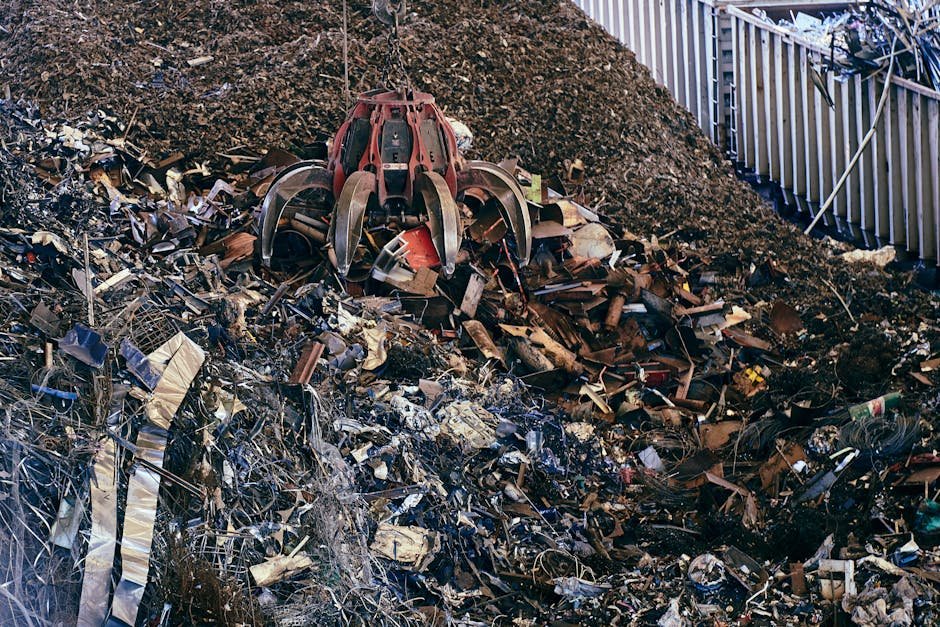

Navigating the landscape of castle hill scrap metal recycling requires more than just gathering old materials; it demands a sophisticated understanding of material grades, market fluctuations, and the logistical requirements of modern waste management. As the industry evolves, residents and businesses in the Hills District are increasingly recognizing that scrap metal is not merely waste, but a valuable commodity that drives the circular economy. Whether you are a trade professional clearing a site or a homeowner disposing of old appliances, understanding the nuances of local recycling infrastructure is essential for both environmental stewardship and financial gain. This guide serves as the definitive resource for anyone looking to optimize their recycling efforts and secure the Best Scrap Metal Prices Near Me.
Understanding Metal Grades and Classification
The foundation of the scrap metal industry lies in the precise classification of materials. Metals are broadly categorized into two primary groups: ferrous and non-ferrous. Ferrous metals, such as iron and steel, contain carbon and are magnetic. They are the backbone of the construction industry, commonly found in structural beams, automotive frames, and industrial machinery. Within this category, grades like ‘heavy melting steel’ (HMS) and ‘light iron’ are distinguished by their thickness and purity. Contaminants such as plastic, rubber, or wood can significantly downgrade the value of these materials, making pre-sorting a critical step for anyone seeking the highest payout.
Non-ferrous metals, which include copper, aluminum, brass, lead, and stainless steel, are generally more valuable due to their scarcity and the energy-intensive nature of their primary production. Copper, for instance, is graded based on its cleanliness—’bright and shiny’ copper wire commands the highest market value, while burnt or oxidized copper is graded lower. Aluminum is categorized into ‘extrusion,’ ‘cast,’ or ‘sheet,’ with each grade requiring different processing techniques. For those involved in large-scale operations, mastering these classifications is the first step toward profitability. If you are looking to expand your operations beyond local recycling, understanding How To Export Scrap Metal Internationally provides a roadmap for moving high-volume loads into global markets where demand for high-grade scrap is consistently high.
The Mechanics of Professional Recycling
The recycling process at a professional castle hill scrap metal center is a highly engineered sequence designed to maximize material recovery and purity. Upon arrival, scrap is weighed on certified scales to ensure transparency. The material is then inspected for contaminants; even small amounts of non-metallic debris can compromise an entire batch during the smelting process. Advanced facilities utilize X-ray fluorescence (XRF) analyzers to determine the exact chemical composition of alloys, ensuring that high-value metals are not accidentally mixed with lower-grade scrap.
Once sorted, the metals undergo mechanical processing. Ferrous metals are often shredded to reduce volume and remove non-metallic attachments, while non-ferrous metals may be baled, sheared, or granulated. The goal is to create a ‘furnace-ready’ product that can be fed directly into smelters. This efficiency is why industrial clients often partner with established firms like Scrap Trade Australia to manage their site waste. By streamlining the collection and processing phases, these companies reduce the carbon footprint associated with transporting raw materials, effectively closing the loop in the manufacturing lifecycle. For a deeper dive into the economics of these processes, our Scrap Metal Castle Hill: The Ultimate Recycling Guide offers granular detail on site-specific logistics.
Environmental Benefits and Sustainable Practices
The environmental case for recycling castle hill scrap metal is overwhelming. Extracting virgin ore from the earth is an energy-intensive process that results in significant habitat destruction, water pollution, and greenhouse gas emissions. In contrast, recycling aluminum saves approximately 95% of the energy required to produce the same amount of metal from bauxite ore. Similarly, recycling steel reduces water consumption by 40% and air pollution by 86%. By keeping these materials in circulation, we drastically reduce the need for destructive mining practices and decrease the volume of waste sent to landfills.
Beyond energy savings, metal recycling is a cornerstone of the circular economy. Metals are infinitely recyclable, meaning they can be melted down and reformed without losing their structural integrity. This property allows for a closed-loop system where a copper pipe from a demolished building in Sydney can eventually become part of a new electrical grid or a high-tech component in a consumer device. As global demand for raw materials continues to rise, the importance of local recycling hubs cannot be overstated. They act as the primary collection points for a global supply chain that is increasingly reliant on secondary, recycled materials to meet industrial quotas. Keeping track of current Scrap Metal Prices is essential for understanding the market demand that drives these environmental benefits, as higher prices often incentivize more robust recycling efforts across the community.
Maximizing Returns: A Strategic Approach
To maximize the financial return on your scrap, preparation is key. The most successful recyclers treat their scrap collection as a business operation. First, segregate your materials at the source. Mixing copper with steel is a common mistake that drastically reduces the overall value of a load. By keeping high-value non-ferrous metals separate from bulk ferrous items, you ensure that you receive the highest possible price for each material grade. Clean your scrap whenever possible—removing plastic coatings from copper wire or glass from aluminum frames significantly increases the ‘purity’ rating, which is the primary metric for pricing.
Second, timing is everything. The scrap market is highly volatile, influenced by global industrial demand, currency exchange rates, and geopolitical stability. While it is impossible to predict the market with 100% accuracy, tracking trends over time can help you decide when to hold onto your scrap and when to sell. Third, build a relationship with a reputable local yard. Consistent suppliers are often privy to better service, faster turnaround times, and occasionally, loyalty-based price adjustments. By visiting Scrap Trade, you can gain access to digital tools and resources that keep you informed on market movements. Finally, always prioritize safety. Handling scrap metal involves sharp edges, heavy loads, and potentially hazardous materials. Using proper protective equipment, such as heavy-duty gloves and steel-toed boots, is non-negotiable for anyone handling industrial quantities of metal.
The Future of the Scrap Industry
The scrap metal industry is currently undergoing a digital transformation. From smart weighing systems that provide real-time data to blockchain-based tracking that verifies the origin and purity of recycled materials, technology is making the process more transparent and efficient than ever. As we look toward a future defined by decarbonization, the role of scrap metal will only become more critical. Manufacturers are increasingly seeking ‘green’ steel and recycled aluminum to meet their own sustainability targets, creating a premium market for high-quality, ethically sourced scrap.
For the residents and businesses of Castle Hill, this shift represents an opportunity to participate in a global movement toward sustainability. By adopting best practices in sorting, storage, and disposal, you contribute to a more efficient industrial system that values resources over waste. Whether you are a small-scale recycler or managing large-scale industrial demolition waste, the principles remain the same: quality, purity, and consistency are the pillars of a successful recycling strategy. By leveraging the resources available through professional networks, you ensure that your scrap metal contributes to a cleaner, more sustainable future for the Australian economy.
Operational Excellence in Scrap Management
Achieving operational excellence in scrap management requires a commitment to continuous improvement. For businesses, this means implementing a waste management plan that prioritizes the recovery of metal assets from the very beginning of a project. Instead of treating demolition as a cost center, view it as a revenue-generating activity. By training staff on the proper identification of metal grades and providing the necessary infrastructure for on-site segregation, companies can significantly reduce their disposal costs while maximizing the value of their scrap. This proactive approach not only benefits the bottom line but also enhances the company’s reputation as a sustainable, forward-thinking organization.
In the residential sector, the impact of individual action is cumulative. When households take the time to separate their recyclables—such as old copper plumbing, aluminum cans, and steel appliances—they reduce the burden on municipal waste systems and contribute to a more robust local supply of secondary raw materials. Education is the bridge between intention and action. By sharing knowledge about the value of different metal grades and the environmental impact of recycling, communities can foster a culture of sustainability that extends far beyond the scrap yard. As we continue to refine our recycling practices, we move closer to a truly circular economy where the concept of ‘waste’ is replaced by the reality of ‘resources in transition’.
Frequently Asked Questions
What is the difference between ferrous and non-ferrous scrap metal?
Ferrous metals contain iron and are magnetic, such as steel and iron. Non-ferrous metals, like copper, aluminum, and brass, do not contain iron and are typically more valuable due to their resistance to corrosion and higher energy-saving potential during recycling.
How can I get the best price for my scrap metal?
To get the best price, always sort your metals by type and grade before arriving at the yard. Remove all non-metallic contaminants like plastic, rubber, or glass, and keep high-value metals like copper wire separate from bulk steel.
Why is it important to clean scrap metal before recycling?
Cleaning scrap metal increases its purity, which is the primary factor in determining its value. Contaminants force recycling facilities to spend more time and energy processing the material, which leads to lower payouts for the seller.
How does recycling metal help the environment?
Recycling metal significantly reduces the need for energy-intensive mining and refining of virgin ores. It saves vast amounts of electricity, reduces greenhouse gas emissions, and conserves natural resources by keeping existing materials in a continuous, circular loop.