

Understanding the current price of scrap steel is essential for anyone looking to capitalize on the Australian recycling market. As a commodity, steel is subject to the volatility of global supply chains, manufacturing demand, and the energy costs associated with processing raw materials. Whether you are a construction contractor, a demolition expert, or a household recycler, knowing how to interpret market fluctuations ensures you receive fair compensation for your ferrous metal. For a deeper dive into the mechanics of valuation, refer to our Scrap Steel Price Per Kg A Complete Guide For Sellers, which breaks down the logistical nuances of selling bulk materials.
How Global Markets Dictate the Price of Scrap Steel
The price of scrap steel is not determined by a single entity; rather, it is the result of complex global trade dynamics. Because steel is the backbone of the construction and automotive industries, its value is intrinsically linked to the health of the global economy. When construction activity in major hubs like China or India surges, the demand for iron ore and recycled steel scrap rises, driving up the market rate for Australian suppliers. Conversely, during economic downturns, demand weakens, leading to a surplus of scrap and a subsequent drop in the price per kg.
In Australia, domestic scrap yards must balance global export trends with local processing costs. Factors such as the Australian Dollar (AUD) exchange rate play a massive role; when the AUD is weak against the USD, domestic steel exports become more attractive to international buyers, often resulting in higher local purchase prices. Furthermore, the cost of logistics—moving heavy ferrous metal from regional collection points to port facilities—is a significant line item that impacts the final payout. Understanding these macroeconomic levers helps you time your sales for maximum profit.
Categorizing Ferrous Metal Grades
Not all steel is created equal, and the grade of your material is the single most important factor in determining your payout. Ferrous metals, which contain iron, are categorized based on their purity, thickness, and contamination levels. Mild steel, for instance, is a common low-carbon steel found in structural beams, rebar, and household appliances. Because it is highly versatile and easy to melt down, it is the most traded form of scrap. However, industrial-grade heavy melt scrap (HMS) often commands a higher price than light, thin-gauge sheet metal due to its higher density and lower slag content during the furnace process.
Beyond standard structural steel, recyclers must also identify alloys. While stainless steel is a distinct category, it is often confused with standard ferrous scrap. If you are dealing with high-nickel or high-chromium alloys, you should consult our guide on Stainless Steel Scrap Price to ensure you aren’t selling premium materials at standard steel prices. Contamination is the enemy of value. A load of clean, processed steel will always fetch a higher market rate than a load mixed with plastic, rubber, or non-ferrous metals like copper or aluminum. For those also managing non-ferrous collections, keep an eye on the Aluminum Scrap Price In 2026 to diversify your recycling revenue streams.
The Mechanics of Steel Recycling
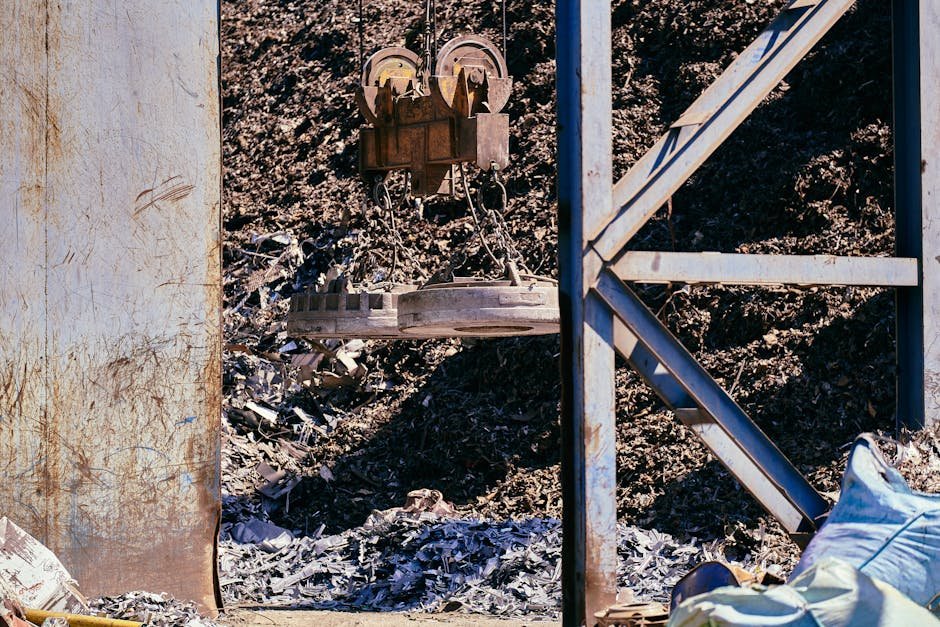
The recycling process is a marvel of industrial efficiency. Once steel is collected at a local yard, it undergoes a rigorous sorting process. Magnetic separation is the primary method used to isolate ferrous steel from other materials. Once sorted, the steel is often shredded into smaller, uniform pieces to facilitate easier melting. This shredded material is then transported to an electric arc furnace (EAF) or a basic oxygen furnace (BOF).
In these furnaces, the scrap is melted at extreme temperatures to remove impurities. The resulting molten steel is then cast into billets, blooms, or slabs, which are rolled into new products. This closed-loop system is highly efficient; steel can be recycled infinitely without losing its inherent properties. For a detailed breakdown of how these trends influence your bottom line, review the insights at Steel Scrap Price: Current Market Trends & Recycling Guide. By understanding this process, you can better prepare your scrap—such as removing non-metallic attachments—to minimize processing fees at the yard.
Environmental and Economic Benefits of Recycling
Recycling steel is one of the most effective ways to reduce industrial carbon footprints. Producing new steel from iron ore is an energy-intensive process that requires massive amounts of coal and releases significant greenhouse gases. By contrast, recycling steel consumes approximately 75% less energy than primary production. Every tonne of recycled steel saves over a tonne of iron ore and hundreds of kilograms of coal, making it a cornerstone of the circular economy.
Beyond environmental stewardship, the economic impact is profound. The scrap metal industry supports thousands of jobs in Australia, from collection and logistics to high-tech processing. By choosing to recycle rather than sending steel to a landfill, you are contributing to a sustainable infrastructure. If you are looking for professional partners to handle large-scale industrial clearances, visit Scrap Trade Australia for expert services. Furthermore, businesses that prioritize recycling can often claim environmental credits or meet corporate sustainability targets, adding value beyond the raw price per kg.
Strategic Tips for Maximizing Your Returns
To consistently secure the best price for your scrap, you must adopt a professional approach to collection and storage. First, segregate your metals. Mixing mild steel with stainless or cast iron will often result in the yard paying you the lowest common denominator price. Keep your yard clean and organized. If you are a commercial entity, investing in a small scale can help you verify the weight of your loads before they hit the weighbridge.
Second, monitor the market. Metal prices today are influenced by daily trading on the London Metal Exchange (LME). While local scrap yards have their own internal pricing, they generally follow the direction of the global market. Setting up alerts or checking reputable scrap price aggregators weekly will help you decide whether to sell now or hold your inventory for a potential price spike. Finally, build a relationship with a reliable local yard. Consistent suppliers who deliver clean, well-sorted loads are often offered preferential pricing or improved service terms.
Navigating Market Volatility
Volatility is an inherent feature of the steel market. During periods of high inflation, the cost of energy and transportation spikes, which can squeeze the margins of scrap processors. This often leads to a temporary reduction in the prices offered to the public. However, savvy sellers recognize that these dips are often temporary. If your storage capacity allows, holding onto scrap during a market slump can be a profitable strategy if you have the patience to wait for the next upward cycle.
Conversely, when prices are high, it is often beneficial to move your inventory quickly. Markets can turn rapidly, and holding onto large quantities of scrap carries the risk of devaluation. Always balance your storage costs—such as space rental or potential degradation of the metal due to rust—against the potential for price appreciation. For those dealing in large volumes, hedging or locking in prices with a local buyer can provide the stability needed to run a predictable business.
The Future of the Steel Scrap Industry
The future of the steel industry is undeniably green. As the world moves toward net-zero emissions, the demand for high-quality recycled steel is set to explode. Steel manufacturers are increasingly shifting toward EAF technology, which relies heavily on scrap rather than iron ore. This structural shift in the industry means that the long-term outlook for scrap steel prices is bullish. As supply chains become more localized and the pressure to reduce emissions grows, the value of recycled steel will only continue to rise.
For the Australian market, this represents a massive opportunity. By refining our collection and processing capabilities, we can position ourselves as a key supplier in the global green steel transition. Whether you are a small-scale recycler or a large industrial player, staying informed about these technological and environmental shifts is the key to long-term success. By following the guidance in this pillar guide, you are well-equipped to navigate the complexities of the market, optimize your recycling efforts, and maximize your financial returns in the ever-evolving world of steel scrap trading.
Frequently Asked Questions
How often do scrap steel prices change?
Scrap steel prices can fluctuate daily or weekly depending on global commodity market trends, local demand, and transport costs. Most professional scrap yards update their pricing sheets regularly to reflect these shifts.
Does rust affect the price of scrap steel?
Surface rust is generally acceptable for standard ferrous scrap, but heavy oxidation that significantly reduces the weight or compromises the structural integrity of the metal can lead to a lower grade classification. Always aim to keep your scrap as clean and dry as possible to ensure the best valuation.
What is the difference between ferrous and non-ferrous scrap?
Ferrous metals contain iron and are magnetic, such as mild steel and wrought iron, which typically trade at lower prices per kg. Non-ferrous metals, such as copper, aluminum, and brass, do not contain iron, are not magnetic, and generally command significantly higher market prices.
How can I get the best price for my steel scrap?
To maximize your returns, ensure your scrap is sorted by grade, free from non-metallic contaminants like plastic or wood, and delivered in bulk. Building a long-term relationship with a reputable local scrap yard and monitoring global market trends will also help you time your sales for the best possible rate.