
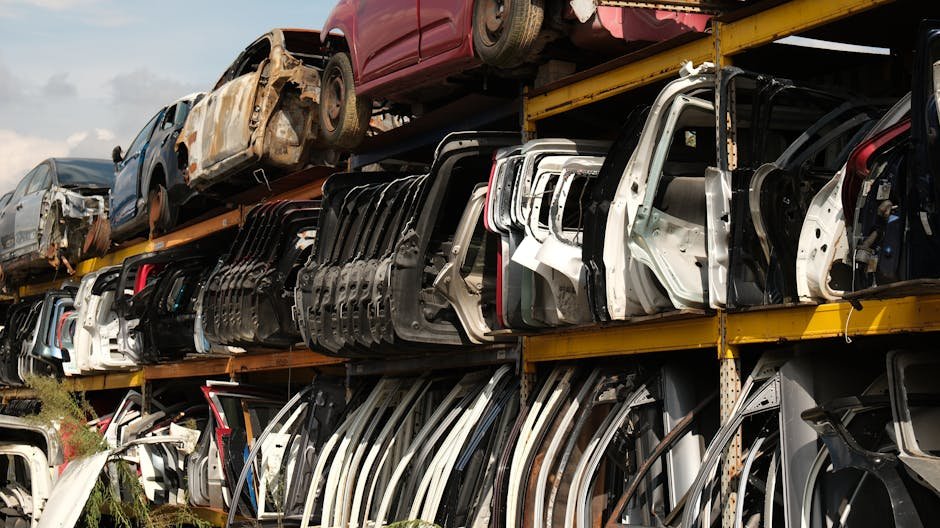

The market for scrap cars for cash macquarie fields has evolved into a sophisticated industrial sector that plays a critical role in the local circular economy. For residents and business owners, an old vehicle is no longer just a liability taking up space; it is a complex assembly of valuable raw materials including steel, aluminum, copper, and platinum group metals. Understanding how to navigate this market requires more than just calling the first number on a flyer; it demands an expert-level grasp of scrap grading, the mechanical recycling process, and the fluctuating global commodities market that dictates the price you receive at the gate.
The Hierarchy of Scrap Grades in Automotive Recycling
When you look at a vehicle, a professional recycler sees a tiered structure of materials, each with a distinct market value. The primary component of any vehicle is ferrous metal—specifically, steel and iron. In the world of scrap, this is often categorized as Heavy Melting Steel (HMS). HMS 1 and HMS 2 are the industry standards, where HMS 1 does not contain galvanized or blackened steel, while HMS 2 does. Most modern passenger vehicles are a mix of these, along with high-strength low-alloy (HSLA) steels used in safety cages. These materials are processed efficiently by professional scrap metal buyers who utilize industrial-scale shredders to separate the wheat from the chaff.
Beyond the steel frame, the non-ferrous components represent the highest profit margins for the seller. Aluminum is ubiquitous in modern automotive engineering, found in engine blocks, transmission casings, and increasingly, body panels to reduce weight. Copper is another high-value asset, primarily located in the wiring looms and starter motors. A standard vehicle can contain up to 25 kilograms of copper. Furthermore, the catalytic converter is perhaps the most valuable single component due to the presence of precious metals like palladium, rhodium, and platinum. When seeking scrap cars for cash macquarie fields, ensuring your buyer correctly values these specific grades is the difference between a mediocre offer and a premium payout. You can learn more about maximizing these returns by reading about Cash For Metal Near Me How To Sell Scrap For Maximum Profit.
The End-of-Life Vehicle (ELV) Recycling Process Explained
The journey of a scrap car from your driveway in Macquarie Fields to a recycled raw material is a multi-stage industrial process. Once the vehicle is collected—often via a specialized Pick Up Scrap Metal For Cash Near Me service—it enters the de-pollution stage. This is a mandatory environmental step where all hazardous fluids are drained. This includes engine oil, coolant, brake fluid, and residual fuel. These liquids are highly toxic to the local Macquarie Fields ecosystem if not handled correctly; for instance, a single liter of used motor oil can contaminate one million liters of fresh water.
Following de-pollution, the vehicle undergoes dismantling. This is where car wreckers identify high-demand auto parts that can be refurbished and resold. Components like alternators, radiators, and intact body panels are removed. The remaining shell is then sent to a hammer mill shredder. Within seconds, the car is reduced to fist-sized chunks of metal. Sophisticated separation technologies, including giant magnets for ferrous metals and eddy current separators for non-ferrous metals, ensure that the resulting scrap is clean and ready for the furnace. This level of efficiency is what allows the industry to offer competitive rates for scrap cars for cash macquarie fields.
Environmental Benefits: Beyond the Cash Payment
While the financial incentive is the primary driver for most sellers, the environmental impact of vehicle recycling is profound. Producing steel from scrap requires 75% less energy than producing it from virgin iron ore. For aluminum, the energy savings are even more staggering, reaching up to 95%. By choosing to recycle your vehicle in Macquarie Fields, you are directly contributing to a reduction in global CO2 emissions and the preservation of natural landscapes that would otherwise be destroyed by mining operations. Every ton of recycled steel saves 1.1 tons of iron ore, 630 kilograms of coal, and 55 kilograms of limestone.
Moreover, the specialized handling of lead-acid batteries and tires prevents long-term environmental degradation. Tires, which are notoriously difficult to dispose of, are often repurposed into crumb rubber for road surfacing or playground flooring. Lead-acid batteries are broken down, with the lead being refined for new batteries and the sulfuric acid neutralized or converted into sodium sulfate for use in fertilizer. This comprehensive approach to vehicle recycling ensures that almost 98% of a car’s weight is diverted from landfills. If you are looking to turn your old vehicle into a resource, check out Cash for Scrap Cars Macquarie Fields: The Ultimate Recycling for more localized insights.
How to Maximize Your Payout in the Macquarie Fields Market
To get the most money for your scrap car, you must approach the sale with a business mindset. First, ensure you have clear proof of ownership. While the physical condition of the engine might not matter for a scrap price, the completeness of the vehicle does. A car missing its catalytic converter or aluminum wheels will be valued significantly lower. It is often beneficial to keep the vehicle intact rather than attempting to strip it yourself, as professional recyclers have the tools to extract value more efficiently than a hobbyist.
Timing also plays a role. Scrap metal prices are tied to the London Metal Exchange (LME). If global demand for steel is high due to international infrastructure projects, the price for scrap cars for cash macquarie fields will rise accordingly. It is also wise to clean out the vehicle of personal effects and debris. While it doesn’t change the metal weight, it facilitates a faster inspection and demonstrates that the vehicle is ready for immediate processing. For those looking for a quick turnaround, understanding Cash For Metal How To Turn Scrap Into Instant Money can provide the necessary framework for a successful transaction.
The Vital Role of Car Wreckers and Auto Parts Recovery
The distinction between a general scrap yard and specialized car wreckers is important for Macquarie Fields residents. Wreckers operate at the intersection of recycling and the secondary auto parts market. When a late-model vehicle is written off due to structural damage, its mechanical components are often still in pristine condition. By salvaging these auto parts, wreckers provide a cost-effective solution for other motorists while extending the lifecycle of manufactured goods. This is the essence of the “reuse” tier in the waste hierarchy.
From a consumer perspective, buying used parts from a reputable wrecker in the Macquarie Fields area is both an economical and sustainable choice. Whether it is a replacement door, a headlamp assembly, or a complete transmission, these parts are tested and sold at a fraction of the cost of new OEM (Original Equipment Manufacturer) components. This secondary market supports the high cash offers that recyclers can provide, as the profit is not solely dependent on the weight of the metal. For more information on the broader scrap industry, visit Scrap Trade for comprehensive resources.
Legal Requirements and Paperwork for Macquarie Fields Residents
In New South Wales, the scrap metal industry is regulated to prevent the trade of stolen property. When selling scrap cars for cash macquarie fields, you must provide valid photo identification. Under the Scrap Metal Industry Act 2016, cash payments for scrap metal are actually prohibited in many commercial contexts to ensure a paper trail; however, “cash for cars” often refers to immediate electronic funds transfers or cheques which are compliant with the law. You should also ensure that you lodge a Notice of Disposal (NOD) with Transport for NSW as soon as the vehicle is handed over. This protects you from any future fines, tolls, or liabilities associated with the vehicle once it has left your possession.
Furthermore, it is essential to verify that the business you are dealing with is a licensed motor dealer or recycler. Licensed operators are required to keep meticulous records of every transaction, providing peace of mind to the seller. This transparency ensures that the vehicle will be destroyed or re-registered correctly, rather than being used for illicit purposes. By following these legal steps, you contribute to a safer and more professional scrap metal ecosystem in the Macquarie Fields region.
Future Trends: EVs and the Changing Face of Scrap
The rise of electric vehicles (EVs) is set to revolutionize the scrap cars for cash macquarie fields landscape. Unlike traditional internal combustion engine (ICE) vehicles, EVs contain massive lithium-ion battery packs and significantly more copper and rare earth magnets. The recycling process for these batteries is highly specialized, requiring the extraction of cobalt, lithium, and nickel through hydrometallurgical or pyrometallurgical processes. As the first generation of EVs reaches the end of its life, Macquarie Fields recyclers are investing in new technologies to safely handle high-voltage systems.
We are also seeing an increase in the use of carbon fiber and composite materials in vehicle manufacturing. While these materials offer strength and weight benefits, they present new challenges for traditional shredding and separation lines. The future of vehicle recycling will likely involve more robotic dismantling and advanced chemical recycling to recover these complex polymers. Staying informed about these trends ensures that you, as a vehicle owner, understand the shifting value of your assets in a rapidly decarbonizing world.
Conclusion: Turning Liabilities into Assets
The process of securing scrap cars for cash macquarie fields is a vital service that cleans up our streets, supports the local economy, and protects the environment. By understanding the grades of metal within your vehicle, the rigorous recycling process it undergoes, and the legal requirements of the sale, you can ensure a smooth and profitable experience. Whether you are dealing with a rusted-out shell or a non-running modern car, there is significant value to be recovered. Macquarie Fields remains a strategic hub for this activity, offering residents access to world-class recycling facilities that turn yesterday’s junk into tomorrow’s raw materials.
Frequently Asked Questions
What documents do I need to sell my scrap car in Macquarie Fields?
You will need to provide a valid photo ID (such as a driver’s license) and proof of vehicle ownership. It is also highly recommended to complete a Notice of Disposal with Transport for NSW to ensure you are no longer liable for the vehicle.
How is the price of a scrap car calculated?
The price is primarily determined by the vehicle’s weight and the current market value of ferrous and non-ferrous metals. Additional value may be added if the car has high-demand salvageable parts or a high-value catalytic converter.
Do I need to drain the fluids before the car is picked up?
No, professional scrap car buyers in Macquarie Fields typically handle the de-pollution process themselves. They use specialized equipment to safely drain and recycle oil, coolant, and fuel in compliance with environmental regulations.
Can I sell a car that is missing parts?
Yes, you can sell an incomplete vehicle, but be aware that missing major components like the engine, transmission, or catalytic converter will significantly reduce the cash offer you receive.