
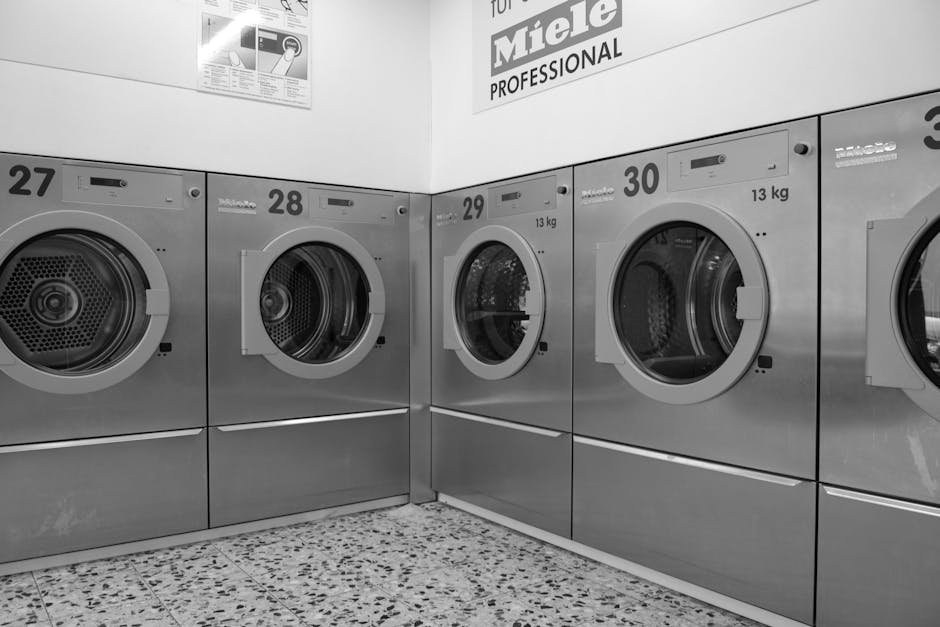

Understanding how to sell my washing machine effectively requires a strategic approach that balances its functional condition against its raw material value. Whether you are upgrading your laundry setup or clearing out an investment property, the process of liquidating whitegoods in Australia involves assessing the machine’s age, brand reputation, and physical state. If you are struggling with the decision, our guide on Where to Sell Washing Machine: The Ultimate Recycling Guide provides a deep dive into the market dynamics of used appliances. When you decide to Sell Scrap, you are participating in a circular economy that prioritizes resource recovery over landfill disposal.
Evaluating Your Appliance: Resale vs. Scrap
Before you list your item, you must determine if it has a second life. A washing machine in good working order is a commodity. High-demand brands like Miele, Bosch, and Fisher & Paykel hold significant resale value. Conversely, if the machine has a burnt-out motor, a cracked drum, or a faulty control board, the cost of repair often exceeds the value of the unit. In these scenarios, you should pivot your strategy toward recycling. Many homeowners ask how to sell my washing machine when it is essentially dead weight; the answer lies in the scrap metal industry. Modern scrap yards utilize advanced shredding technology to recover steel, copper wiring, and aluminum components, ensuring that your waste contributes to the production of new metal products. For those seeking professional services, visiting professional scrap metal recyclers is the most efficient way to handle end-of-life appliances. You can also explore options to Sell Scrap Metal Near Me In 2026 to find the most up-to-date facilities in your region.
Maximizing Profit: The Resale Strategy
To get the best price for a functional unit, presentation is paramount. Start by deep-cleaning the machine. Remove all soap scum from the detergent drawer, clean the rubber door seal (the gasket) to remove mold, and wipe down the exterior casing. A clean, odor-free machine commands a 20-30% premium over dirty, neglected units. Take high-resolution photos in natural light, ensuring you capture the drum interior and the model number sticker. The model number is crucial; potential buyers will use this to check for spare parts availability and energy efficiency ratings. When writing your listing, be transparent about the machine’s history. Has it been serviced? Is it from a smoke-free home? Does it include original hoses? Providing this level of detail builds trust and reduces the number of repetitive inquiries you receive. If you are also clearing out other items, you might consider if you need to Sell My Catalytic Converter or other high-value scrap items simultaneously to maximize your trip to the recycling center.
The Scrap Metal Route: When Resale Fails
When an appliance is beyond repair, the scrap metal industry becomes your primary outlet. A standard washing machine contains a significant amount of steel, which is the base metal, alongside copper in the motor windings and aluminum in the casing or wiring. To get the best price at a scrap yard, you should ideally strip the machine down if you have the tools and time. Removing the motor and the copper-heavy wiring harness can significantly increase your payout, as these are classified as higher-value non-ferrous metals. However, for most, the logistical effort of dismantling a heavy appliance outweighs the marginal increase in cash. If you choose to sell the unit whole, ensure you remove any non-metallic contaminants like plastic hoses or glass lids, as heavy contamination can lead to a lower price per kilogram at the weighbridge. Always call ahead to your local scrap dealer to confirm their current intake policies for whitegoods, as some facilities may charge a disposal fee for appliances containing refrigerants or hazardous components, though this is rarely an issue with standard washing machines.
Logistics and Documentation
Selling a large appliance involves significant logistical challenges. If you are selling privately, ensure you have a clear plan for the buyer to collect the unit. Never offer to deliver the machine unless you have a reliable vehicle and a trolley. If you are selling to a scrap dealer, ask if they offer collection services. While some scrap yards offer free pickup for bulk loads, they may charge a fee for a single appliance. When dealing with scrap, documentation is minimal, but you should always be prepared to show identification if required by local state legislation regarding metal theft prevention. Keep a record of the transaction if you are selling to a business for tax purposes. Understanding the local market is key; prices for scrap fluctuate daily based on global commodity markets. By staying informed on these trends, you ensure that you are not leaving money on the table when you finally decide to Sell Scrap to a reputable yard.
Market Trends and Future Outlook
The Australian scrap market is evolving rapidly. As sustainability becomes a core focus for local councils and businesses, the demand for recycled steel and copper is reaching record highs. By choosing to recycle your washing machine rather than sending it to a landfill, you are actively participating in the reduction of industrial carbon footprints. The process of how to sell my washing machine has shifted from simple classifieds to sophisticated digital platforms that connect sellers with recyclers who prioritize ethical processing. In 2026 and beyond, we expect to see more automated collection services and standardized pricing models for scrap appliances. Staying ahead of these trends means knowing exactly where the value lies in your household waste. Whether you are selling a pristine high-end model or a rusted-out relic, the goal remains the same: efficient disposal that maximizes your financial return while minimizing environmental impact.
Expert Tips for Success
Consistency and timing are your best allies. If you are selling a working machine, list it during peak moving seasons—usually at the start and end of the calendar year or the end of the financial year. Buyers are often looking for affordable appliances for rental properties or temporary housing during these times. For scrap, try to accumulate a larger volume of metal before heading to the yard. A single washing machine might yield a modest amount of cash, but if you combine it with other scrap metal like old pipes, wiring, or aluminum siding, the trip becomes significantly more profitable. Always prioritize safety: when moving heavy appliances, use proper lifting techniques and ensure you have assistance. Never attempt to cut into sealed components or electrical systems unless you are fully qualified to do so. By following these expert guidelines, you transform the chore of disposing of an old appliance into a streamlined, profitable, and environmentally responsible process.
Frequently Asked Questions
Is it worth trying to sell a broken washing machine?
Generally, no, unless it is a high-end brand where parts are highly sought after. Otherwise, it is better to take it to a scrap metal recycler to recover the value of the steel and copper.
What is the best way to transport a washing machine for sale?
Use a heavy-duty appliance trolley and secure it upright in a trailer or ute. Never transport it on its side, as this can damage the internal suspension and drum assembly.
Do I need any specific documents to sell to a scrap yard?
In most Australian states, you will need a valid driver’s license or government-issued photo ID. This is a standard requirement to prevent the trade of stolen goods.
How do I know if my washing machine is worth anything as scrap?
Almost all washing machines have scrap value due to their steel content. The weight of the machine and the current market price for ferrous metals will determine your payout.