
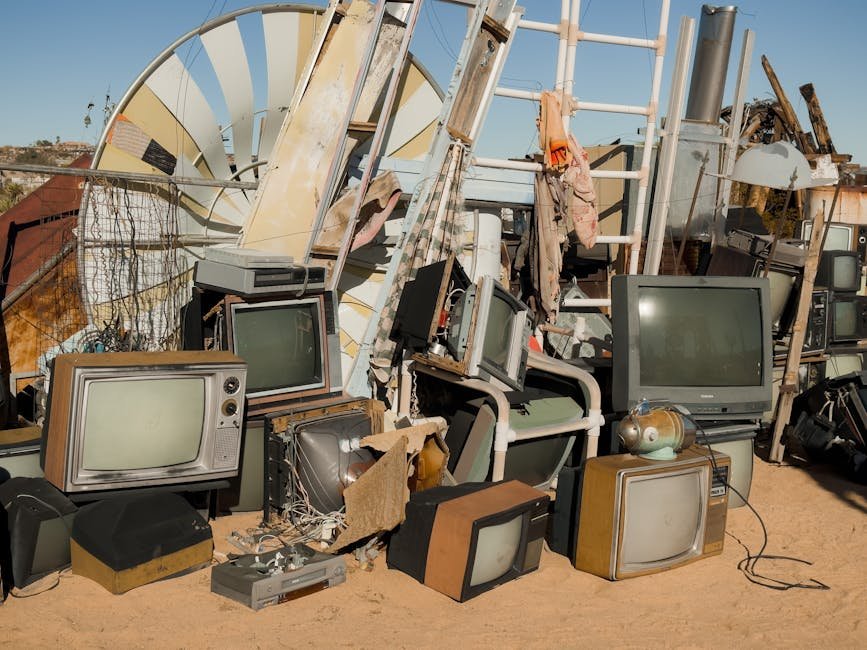

If you are looking to sell my junk, understanding the nuances of the Australian metal recycling market is the first step toward maximizing your financial return. Many individuals view scrap as simple waste, but to the industry, it is a high-value commodity that powers the manufacturing sector. Whether you are clearing out a workshop or managing industrial site waste, the process of turning metal into cash requires a strategic approach to sorting, timing, and choosing the right partner. When you decide to sell my junk, you are participating in a circular economy that significantly reduces the environmental impact of mining virgin ores. This guide provides the expert framework needed to navigate the industry, ensure compliance with local regulations, and secure the best price for your materials.
Understanding the Australian Scrap Metal Market
The Australian scrap market is driven by global commodity prices, specifically those set on the London Metal Exchange (LME). As a seller, your primary goal is to understand that the price you receive for your scrap is a derivative of these global benchmarks, adjusted for local processing costs and logistics. When you look to Sell Scrap, you are essentially trading a raw material that requires significant energy to refine. Dealers are not just buying metal; they are buying the convenience of having that metal sorted and ready for the smelter. The most successful sellers treat their scrap as a managed inventory rather than a pile of rubbish. By tracking market trends, you can time your sales to coincide with periods of high demand, effectively increasing your profit margins. For those operating on a larger scale, it is essential to establish a relationship with a reputable Australian scrap metal industry leader who can provide consistent pricing and reliable collection services. Understanding the difference between ferrous metals (iron, steel) and non-ferrous metals (copper, aluminum, brass) is crucial, as the latter commands significantly higher prices due to their scarcity and infinite recyclability.
Preparation: How to Get the Best Price
The secret to getting the best price for your scrap lies in the preparation phase. A scrap dealer spends time and labor sorting through mixed loads; if you do the sorting for them, you can often negotiate a higher rate. Start by segregating your metals into distinct categories. Copper pipe, for instance, should be stripped of all plastic insulation and brass fittings. Aluminum should be separated into cast, sheet, and extrusion. If you arrive at a yard with a mixed bin, the dealer will typically pay you based on the lowest-value metal in the pile. By presenting clean, sorted, and contaminant-free material, you signal that you are a professional seller, which often leads to better long-term pricing agreements. Furthermore, consider the logistics of your delivery. If you have a large volume, inquire about bin services or scheduled pickups. If you are a smaller operator, ensure your load is organized in a way that allows for quick unloading. Always remove non-metallic attachments like wood, glass, or rubber, as these will be deducted from your total weight, reducing your overall payout.
Where to Sell: Choosing the Right Dealer
Finding a reliable partner is as important as the metal itself. When searching for a location to trade, use tools like Sell Scrap Metal Near Me In 2026 to identify facilities that are not only close but also transparent about their weighing processes. A trustworthy dealer will always use calibrated, public-facing scales that allow you to see the weight reading clearly. Beware of dealers who offer suspiciously high prices over the phone but find reasons to downgrade your material once it arrives at the yard. Instead, look for businesses that are members of recognized industry bodies, as these organizations enforce codes of conduct regarding environmental safety and fair trade practices. If you are dealing with specialized components, such as automotive parts, you might need a different channel. For example, if you need to Sell My Catalytic Converter, you must deal with a buyer who has the equipment to assay the precious metals inside, as these items are valued differently than bulk steel. Always ask for a printed receipt that details the weight, the grade of metal, and the price per kilogram or tonne paid.
Legal Requirements and Documentation
The scrap metal industry in Australia is subject to strict regulations to prevent the trade of stolen goods. When you arrive at a facility to trade, you must be prepared to provide valid photo identification, such as a driver’s license or passport. In many states, legislation requires dealers to record the details of the seller, the vehicle registration, and the nature of the scrap being sold. This is a standard procedure and should be welcomed as a sign that the dealer is operating legally. If a dealer does not ask for identification, it is a significant red flag that they may be operating outside of the law, which could complicate your own tax reporting or legal standing. Furthermore, if you are selling on behalf of a business, you may need to provide an ABN and potentially a tax invoice. Keeping accurate records of your sales is not only a legal requirement for many businesses but also a smart way to track your income and identify which types of scrap provide the best return on investment over time. By maintaining a professional approach to documentation, you build credibility with the dealer, which can lead to preferential treatment and better pricing during peak market cycles.
The Role of Technology in Modern Scrap Trading
The industry is rapidly evolving, with digital platforms and mobile applications changing how we trade. Gone are the days of driving from yard to yard to compare prices. Today, you can utilize online marketplaces and industry-specific portals to get real-time quotes. For those interested in international standards or different regional approaches, resources like How to Sell Junk Singapore: The Ultimate Recycling Guide provide valuable context on how global markets are standardizing their processes. Leveraging these digital tools allows you to monitor fluctuations in the price of copper, aluminum, and steel, ensuring you are not selling at a disadvantage. Many modern scrap yards now offer apps that allow you to book pickups, check current rates, and view your transaction history. This level of transparency is revolutionizing the industry, making it easier for the average person to participate in the scrap economy. When you integrate these digital tools into your routine, you move from being a casual seller to an informed market participant, capable of making data-driven decisions that maximize your cash for scrap potential.
Scaling Your Scrap Operations
If you find that you are regularly accumulating scrap, it is time to shift your strategy from a one-off sale to a recurring revenue model. This involves setting up dedicated storage areas that prevent cross-contamination of metals. For instance, storing copper in a dry, covered area prevents oxidation, which can sometimes lead to a downgrade in grade by the buyer. Invest in a small, accurate industrial scale to weigh your loads before leaving your facility; this allows you to verify the weights provided by the dealer. If there is a discrepancy, you have a baseline to challenge the reading. Additionally, consider the value of processing your own scrap. For example, using a cable stripper to remove insulation from copper wire can increase the price per kilogram significantly, often paying for the cost of the machine within a few months. Scaling your operations requires a commitment to safety as well. Always use appropriate personal protective equipment (PPE) when handling sharp or heavy metals, and ensure that your storage methods meet local council fire and safety requirements. By treating your scrap accumulation as a professional operation, you minimize waste, improve safety, and ensure that every piece of metal you collect contributes to your bottom line.
Environmental Impact and Future Trends
The push toward a greener economy is placing scrap metal at the forefront of industrial strategy. As Australia moves toward net-zero targets, the demand for recycled aluminum and steel is projected to skyrocket. Recycled metal requires up to 95% less energy to produce than virgin metal, making your contribution as a seller vital to the national climate goals. Looking ahead, we expect to see more stringent regulations on how scrap is processed, with a focus on trace-ability. Dealers will likely require more documentation regarding the source of the metal to ensure it meets environmental standards. As a seller, staying ahead of these trends by maintaining clean, well-documented loads will ensure you remain a preferred supplier for major recycling hubs. The future of the industry is bright, characterized by increased automation, better sorting technologies, and a deeper integration into the global supply chain. By mastering the art of selling your scrap today, you are positioning yourself to benefit from the growing importance of recycled materials in the global economy, ensuring that your efforts are both financially rewarding and environmentally responsible.
Frequently Asked Questions
What is the most valuable metal to sell?
Non-ferrous metals like copper, brass, and stainless steel generally command the highest prices. Among these, clean, bright copper wire is typically the most valuable item you can bring to a scrap yard.
Do I need to clean my scrap before selling it?
Yes, cleaning your scrap by removing non-metallic parts like plastic, wood, or rubber is essential. Clean, sorted metal is graded higher by dealers, resulting in a significantly better payout for your load.
Why do scrap yards require my ID?
Scrap yards are legally required to record seller information to prevent the trading of stolen metal. Providing your ID is a mandatory step that ensures the dealer is operating in compliance with Australian law.
How can I find the current price of scrap metal?
You can check current market trends by monitoring the London Metal Exchange (LME) or by contacting local scrap yards directly for their daily buy rates. Prices fluctuate based on global demand and local processing costs.