
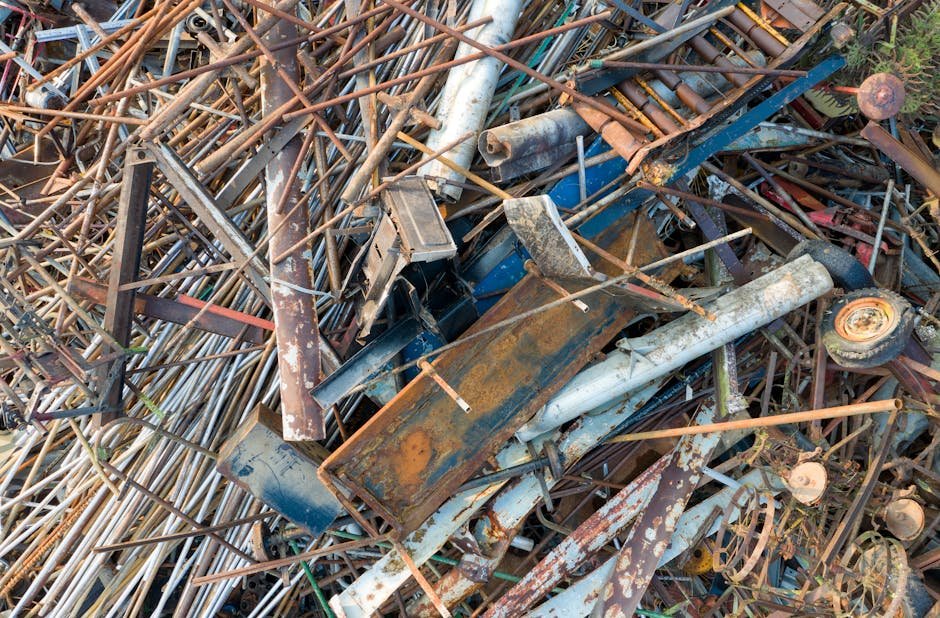

When you look to sell scrap online near me, you are entering a sophisticated global commodities market that rewards preparation and knowledge. Whether you are a tradesperson with significant offcuts or a household recycler clearing out a garage, the ability to identify, sort, and time your sale is the difference between a modest return and a significant profit. In the Australian market, the shift toward digital transparency has made it easier than ever to How to Sell Scrap Online in Australia: A Complete Guide, ensuring that you are not just taking the first offer from a local scrap yard but actively managing your inventory as a valuable asset.
Understanding Metal Grades and Market Value
The foundation of every successful scrap transaction is the accurate identification of metal grades. Scrap dealers pay based on the purity and the processing requirements of the material. Ferrous metals, such as iron and steel, are magnetic and generally lower in value per kilogram, whereas non-ferrous metals like copper, brass, aluminium, and lead command a premium. To get the best price, you must separate these materials meticulously. Mixing a high-value item like clean copper pipe with low-value steel will often result in the entire load being downgraded to the lower price bracket. When you sell scrap online near me, take high-resolution photos of your sorted piles. Dealers are far more likely to offer a competitive quote if they can clearly see that the material is clean, free of contaminants like plastic, rubber, or excessive rust.
Copper is the gold standard of the scrap industry. Bright shiny copper (Grade 1) is the most valuable, requiring no further processing by the recycler. Burnt wire or copper with solder is downgraded to Grade 2. Aluminium is another staple, but it is often graded by its form—cast, extruded, or sheet. Understanding these distinctions allows you to negotiate with authority. If you are dealing with large volumes, consider utilizing an Online Scrap Auction to let local buyers compete for your material, ensuring market-driven pricing rather than fixed, potentially lower, yard rates.
The Logistics of Selling Scrap: Local vs. Digital
Finding a reliable local scrap yard is essential, but the process has evolved. In the past, you would load your truck, drive to the nearest facility, and accept whatever price was posted on the board that day. Today, you can check prices in real-time. Before you transport your metal, use digital tools to verify that the facility is licensed and environmentally compliant. If you have a large quantity, look for services that offer local pickup. This is particularly beneficial for construction sites or demolition projects where the cost of fuel and time to transport the scrap may outweigh the profit margin. Always ensure that the facility provides a weight ticket that is certified, as this is your proof of transaction.
For those asking how to Sell Scrap Metal Near Me In 2026, the landscape will be defined by even greater integration of blockchain-based tracking and automated weighing systems. By aligning yourself with a reputable scrap dealer, you gain access to market insights that help you decide when to hold your stock and when to sell. Recycling is a cyclical industry; prices fluctuate based on global demand, particularly from manufacturing hubs in Asia. By tracking these trends, you can time your sales to coincide with market peaks.
Preparation and Documentation Requirements
To sell scrap online near me with efficiency, you must be prepared to provide specific documentation. In Australia, the industry is heavily regulated to prevent the trade of stolen goods. Expect to show a valid driver’s license or government-issued photo ID. If you are a business, you will need your ABN and potentially a waste transport permit depending on the volume and nature of the scrap. Maintaining a simple ledger of your sales is also a best practice for tax purposes, as income generated from scrap metal is legally required to be declared.
Beyond documentation, the physical preparation of the scrap is paramount. Remove steel attachments from aluminium windows, cut copper cables to manageable lengths, and drain all fluids from automotive parts. A clean, sorted load is processed faster, which is why many yards offer a ‘clean load’ bonus. If you are selling via a digital platform, provide a detailed inventory list. The more information you provide, the less risk the buyer perceives, which translates into a higher offer. Remember, you are a supplier to a multi-billion dollar manufacturing supply chain; treat your scrap as a refined product.
Environmental Impact and the Circular Economy
Every kilogram of metal you recycle contributes to a significant reduction in the environmental footprint of the Australian manufacturing sector. Extracting virgin ore requires massive amounts of energy, water, and land disruption. Recycling aluminium, for instance, uses 95% less energy than producing it from bauxite ore. When you sell to a nearby recycler, you are participating in the circular economy, keeping valuable materials in the production loop and out of landfills. This is not just a financial transaction; it is an act of environmental stewardship that supports the sustainability goals of the broader Australian economy.
Modern recycling facilities use advanced sensor-based sorting, including X-ray fluorescence (XRF) and optical sorters, to separate alloys with incredible precision. By providing clean, sorted scrap, you assist these facilities in maintaining high-quality output, which in turn keeps the market for recycled materials robust. As global regulations tighten around carbon emissions, the demand for recycled metal is only expected to rise, further increasing the potential for profit for those who participate in the system correctly.
Advanced Strategies for Maximizing Scrap Profit
To consistently secure the best price, you must treat scrap metal as a commodity portfolio. Diversify your collection methods; don’t just rely on one source. Build relationships with local electricians, plumbers, and demolition contractors who often discard high-value metals like copper and stainless steel because they lack the time to process them. By acting as a consolidator, you can aggregate smaller loads into a larger, more valuable shipment. This volume-based approach allows you to negotiate higher prices with larger refineries or scrap yards that prefer bulk deliveries.
Furthermore, monitor the London Metal Exchange (LME) prices. While your local yard will have their own margin, their buy prices are indexed to the LME. If you see a sharp rise in copper or nickel prices, that is your signal to move your stock. Conversely, if prices are dipping, it may be worth storing your material in a secure, dry location until the market corrects. This level of professional management transforms scrap from a ‘junk’ mindset into a genuine business venture.
Safety and Compliance in Scrap Handling
Safety is non-negotiable when handling scrap metal. Always wear heavy-duty gloves, steel-capped boots, and eye protection. Metal edges can be razor-sharp, and heavy loads can cause significant injury if not handled with proper lifting techniques or mechanical assistance. Beyond personal safety, ensure your storage area is compliant with local council regulations regarding hazardous materials. Never store scrap in a way that allows for water pooling, as this encourages rust and can lead to environmental contamination from oil or fluid residues.
Compliance also extends to the law. Be wary of any buyer who does not ask for identification or who offers to pay in cash without a receipt. These are red flags for illegal operations. Legitimate businesses are required to keep records of all transactions to combat the theft of infrastructure, such as copper wiring from power grids. By working with transparent, licensed operators, you protect yourself and support the integrity of the entire industry. Always prioritize safety and legality over a quick, undocumented buck.
Future Trends: The Digital Transformation of Recycling
The Australian scrap market is currently undergoing a digital revolution. We are seeing the emergence of mobile apps that allow users to request pickups, track the weight of their scrap in real-time, and receive payments instantly via digital wallets. This shift is removing the friction from the industry and making it accessible to a wider demographic. As we look toward the future, the integration of smart-contracts and automated grading will further ensure that the seller gets exactly what their material is worth, eliminating the ‘guesswork’ that has historically plagued the industry.
If you are serious about this, keep an eye on the infrastructure projects in your area. Major road, rail, and urban renewal projects are massive sources of high-quality scrap metal. Connecting with the contractors on these sites early can yield long-term, high-volume supply contracts. By positioning yourself as a professional, reliable, and compliant partner, you can turn a side hustle into a consistent, lucrative income stream. The information provided here is your roadmap to navigating this complex, rewarding, and essential industry. Start by auditing your current scrap, sorting it by grade, and reaching out to professional recyclers who value quality and consistency.
Frequently Asked Questions
What is the most valuable metal to scrap?
Copper is consistently the most valuable common scrap metal due to its high demand in electrical and plumbing industries. Bright shiny copper (Grade 1) fetches the highest price per kilogram.
Do I need an ABN to sell scrap metal?
While individuals can often sell small amounts of household scrap, most yards require an ABN if you are selling regularly or in large commercial quantities. Always check with your local yard regarding their specific business requirements.
How can I tell if a metal is ferrous or non-ferrous?
The easiest way to test is with a magnet. If the magnet sticks, the metal is ferrous (like iron or steel); if it does not stick, it is non-ferrous (like copper, aluminium, or brass).
Why is it important to clean my scrap before selling?
Cleaning your scrap by removing contaminants like plastic, rubber, or other metals ensures you get the highest grade price. Dirty or mixed loads are often downgraded to ‘mixed steel’ prices, which are significantly lower.