
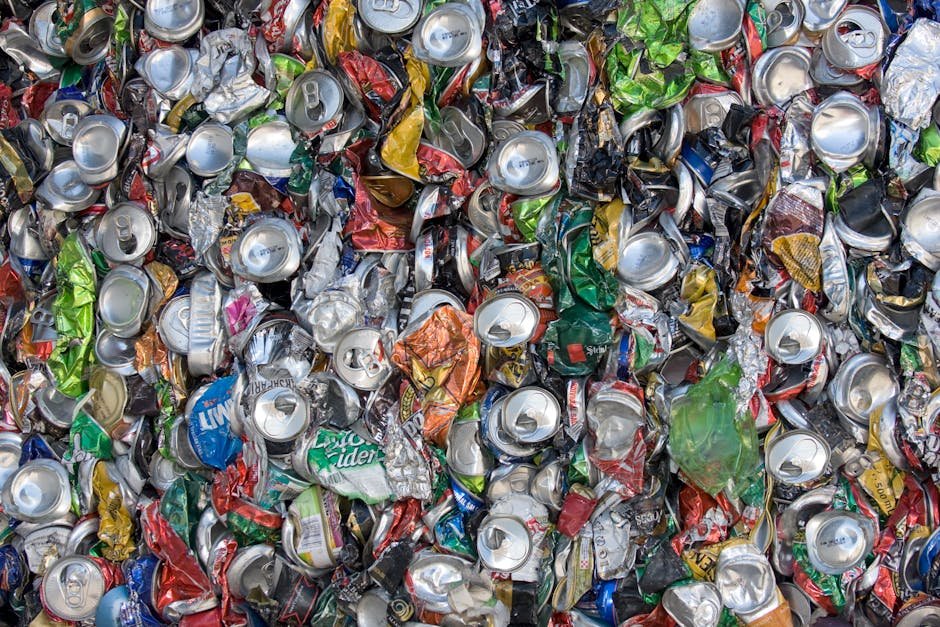

When asking where can i sell scrap, you are embarking on a process that bridges the gap between waste management and the circular economy. Whether you are a tradesperson clearing a job site or a homeowner cleaning out the shed, understanding the nuances of the Australian scrap market is essential. For those wondering where can i sell scrap, the answer lies in identifying reputable, licensed scrap dealers who provide transparent pricing and reliable weighing services. If you are looking to Sell Scrap effectively, you must treat your metal like a commodity rather than trash. This guide serves as your definitive resource to navigate the industry with confidence, ensuring you receive maximum value for every kilogram of material you process.
Understanding the Australian Scrap Metal Market in 2026
The Australian scrap industry is currently undergoing a massive transformation driven by sustainability mandates and advanced processing technology. As we move through 2026, the demand for recycled copper, aluminum, and steel has reached record highs, fueled by the global transition to green energy and infrastructure development. When you search for where can i sell scrap, you are participating in a multi-billion dollar supply chain that feeds domestic and international manufacturing. To succeed, you must recognize that scrap metal is priced based on global commodity markets, specifically those set by the London Metal Exchange (LME). Local scrap dealers adjust their buy prices daily based on these fluctuations, currency exchange rates, and local demand. For a comprehensive overview of the current landscape, consult the Sell Scrap in Australia: Complete 2026 Guide to understand the regulatory environment and regional price variations.
How to Get the Best Price for Your Metal
Getting the best price is not just about finding the right yard; it is about preparation. The primary rule of scrap trading is simple: clean, sorted metal pays significantly more than mixed, contaminated loads. If you bring a bin full of mixed steel, copper wire, and plastic, you will likely receive the lowest ‘mixed steel’ rate. Conversely, if you strip the insulation from your copper wire and separate your brass fittings from your aluminum, you will command premium prices. Always call ahead to ask for current buy rates, as these can vary significantly between facilities. Reputable companies like Gmr Scrap often provide updated price lists that can help you gauge market value. Furthermore, timing your sale can be beneficial; while you cannot perfectly predict the market, selling during periods of high industrial demand often yields better returns. Use tools provided by Scrap Trade Australia to track market trends and ensure you are not selling at a low point in the cycle.
Identifying and Grading Your Scrap Metal
To maximize your profit, you must understand the difference between ferrous and non-ferrous metals. Ferrous metals contain iron and are magnetic, such as steel, iron, and cast iron. While these are usually sold in higher volumes, they have a lower per-kilogram value. Non-ferrous metals, which include copper, aluminum, brass, lead, and stainless steel, are non-magnetic and significantly more valuable. For instance, clean, bright copper wire is the ‘gold standard’ of the scrap industry. When you visit a dealer, they will grade your material based on its purity. Contaminants like plastic, wood, or dirt will be deducted from the weight or result in a lower grade classification. If you are searching for a facility to process your haul, checking Sell Scrap Metal Near Me In 2026 will help you find local yards equipped to handle specific grades. Always use a magnet as a quick test; if it sticks, it is likely ferrous. If it does not, you are likely holding a more valuable non-ferrous material.
The Logistics: What Documents and Equipment You Need
Commercial scrap trading in Australia requires strict adherence to identification and documentation protocols. Due to the Scrap Metal Dealers Act in various states, you will almost always need to provide valid government-issued photo identification, such as a driver’s license or passport. Some yards may also require a vehicle registration number to log the transaction. For large commercial quantities, you may need a tax invoice or a waste transfer note to prove the origin of the material. When transporting your scrap, ensure your vehicle is roadworthy and that your load is properly secured. Heavy metals can shift during transit, posing a safety risk. It is also advisable to call the yard beforehand if you have an oversized or unusual load, as they may need to prepare specific equipment, such as a crane or heavy-duty forklift, to assist with unloading. Being prepared with the right documentation not only speeds up the process but also establishes you as a professional, which can lead to better long-term relationships with your local scrap dealer.
The Environmental and Economic Impact of Recycling
The environmental benefits of recycling scrap metal are profound. By recycling, we drastically reduce the need for energy-intensive mining and smelting processes. For example, recycling aluminum saves approximately 95% of the energy required to produce the same amount of metal from raw bauxite ore. This reduction in energy consumption directly lowers carbon emissions and preserves natural landscapes. Beyond the environmental impact, the scrap industry is a vital economic engine. It provides jobs, supports local manufacturing, and keeps valuable resources within the Australian economy rather than exporting them as waste. By choosing to recycle, you are contributing to a circular economy that prioritizes resource efficiency. Every kilogram of metal you bring to a yard is a step toward a more sustainable future, reducing the reliance on virgin materials and lowering the overall footprint of the construction and manufacturing sectors.
Choosing the Right Scrap Dealer for Your Needs
Not all scrap yards are created equal. When selecting a partner, look for facilities that offer transparent weighing procedures, fair pricing, and professional service. A good dealer will allow you to see the scale as your material is weighed, ensuring complete transparency. They should also be able to explain how they grade your material, providing you with an opportunity to learn and improve your sorting techniques for future visits. Consider the location and the equipment available; if you are dealing with large industrial machinery, you need a yard with heavy-duty processing capabilities. If you are a casual recycler, look for a yard that is clean, organized, and easy to navigate. Establishing a relationship with a single, reliable dealer can be advantageous, as they may offer better rates or priority service for repeat customers. Always verify their licensing and ensure they comply with local environmental regulations to ensure your scrap is being processed responsibly.
Future Trends in the Australian Scrap Industry
As we look beyond 2026, the scrap metal industry is poised for further innovation. Technologies like AI-driven sorting, which uses optical sensors to identify and separate metal alloys with extreme precision, are becoming more common in large-scale facilities. This technology will likely lead to higher purity levels in recycled materials, further increasing their market value. Additionally, as Australia moves toward a net-zero future, the traceability of recycled materials will become increasingly important. Companies will need to prove the origin and carbon footprint of their recycled inputs, making the role of the scrap dealer more critical than ever. Whether you are a small-scale recycler or a large commercial entity, staying informed about these trends will help you position yourself to take advantage of the evolving market. By participating in the scrap economy today, you are helping to build the infrastructure for the sustainable industries of tomorrow.
Frequently Asked Questions
What is the most valuable scrap metal I can sell?
Copper is generally the most valuable non-ferrous metal, specifically ‘bright and shiny’ copper wire. Other high-value metals include brass, stainless steel, and aluminum, though prices fluctuate based on global market demand.
Do I need an appointment to sell my scrap metal?
Most scrap yards accept walk-ins during business hours, but it is always best to call ahead if you have a large load or require special equipment for unloading. Checking in advance ensures the yard is open and prepared to process your specific type of material.
Why does sorting my scrap metal matter for the price?
Sorting prevents contamination and allows the dealer to classify your metal into higher-value grades. Mixed loads are typically bought at the lowest ‘mixed steel’ or ‘general scrap’ rate, whereas sorted loads command the specific market price for that metal type.
What identification do I need to bring to a scrap yard?
You must bring a valid government-issued photo ID, such as a driver’s license or passport. Some states and specific yards also require proof of vehicle registration or a tax invoice for commercial quantities to comply with local anti-theft and environmental regulations.