
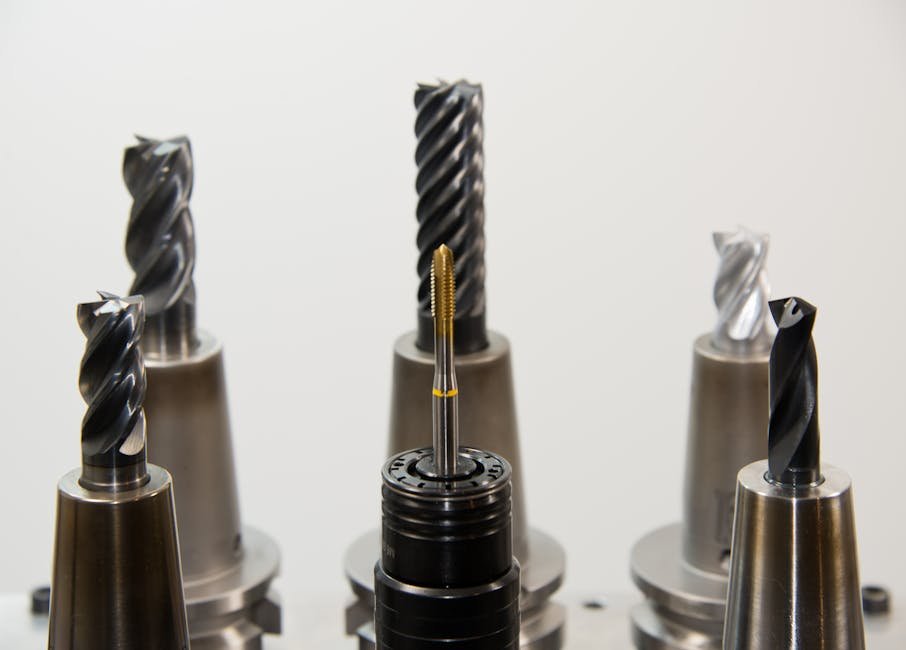

When you decide to sell used carbide inserts, you are tapping into a high-value industrial waste stream that many businesses overlook. Tungsten carbide is a critical material in machining, mining, and automotive sectors, and because it is a finite resource, the demand for recycled carbide remains consistently high. Whether you are a small machine shop or a large-scale manufacturer, understanding the nuances of the secondary metal market is essential for turning waste into a significant revenue stream. You can Sell Used Products On Scrap Trade to streamline your logistics and ensure you are getting competitive rates for your specialized scrap.
Understanding the Value of Tungsten Carbide
Tungsten carbide is prized for its extreme hardness and thermal resistance, making it an essential component in cutting tools, drill bits, and various heavy-duty industrial applications. Unlike standard steel scrap, carbide is a high-value alloy. When you prepare to sell used carbide inserts, you are essentially selling a concentrated form of tungsten and cobalt. The market price is heavily influenced by the global spot price of these raw materials. To maximize your returns, you must treat your scrap as a commodity rather than just heavy metal waste. If you are looking for guidance on the recovery process, check out our guide on Carbide Recycling How To Recover Sell And Profit to learn how to optimize your collection process.
Sorting and Grading: The Secret to Best Price
The most common mistake sellers make is failing to sort their scrap. A mixed bin of inserts will almost always be valued at the lowest common denominator price. To get the best price, you must separate your carbide by grade. Most manufacturers use different grades for different applications—some are high-cobalt, some are micro-grain, and others may contain tantalum or titanium. Use a magnetic test to differentiate between steel-bodied tools and pure carbide, and always keep your inserts free of braze, shims, or ceramic coatings. Even small amounts of contamination can downgrade a high-value load to standard scrap pricing. If you want to expand your operations, Learn How To Sell Used Products Online to reach a broader network of buyers who specialize in high-grade industrial materials.
Where to Sell and Finding Reliable Buyers
Finding the right partner is critical. Not every local scrap dealer is equipped to handle tungsten carbide. You need a buyer who has the analytical tools, such as X-ray fluorescence (XRF) analyzers, to verify the composition of your scrap instantly. In the Australian market, you should look for recyclers that specialize in industrial alloys. When searching for where to sell, prioritize companies that provide transparent pricing, prompt payment, and documented weighing processes. For those also dealing with other automotive waste, such as wheels, you might find it useful to know How to Sell Used Wheels Fast & Profit to consolidate your scrap sales. For local Australian traders, Scrap Trade Australia provides a robust platform to connect with verified buyers who understand the specific requirements of the local manufacturing and mining industries.
Documentation and Logistics
Selling industrial scrap requires more than just showing up at a yard. Professional buyers will expect a clean, organized load. If you are selling in bulk, ensure you have a clear manifest detailing the weight and type of material. You should also be prepared to provide documentation regarding the origin of the scrap, as many legitimate buyers have strict ‘know your supplier’ policies to prevent the trade of stolen industrial goods. Proper documentation not only protects you but also builds your reputation as a reliable supplier, which can lead to better long-term pricing contracts. Whether you are dealing with carbide, scrap metal, or other industrial byproducts, maintaining detailed records is the hallmark of a professional seller.
The Role of Auto Parts and Vehicle Recycling
There is a significant intersection between the machining industry and the automotive sector. Often, machine shops that produce carbide waste also interact with car wreckers or businesses involved in vehicle recycling. If you are involved in these sectors, you may have access to a wider variety of scrap, including high-value auto parts that contain tungsten or other precious metals. When you approach a scrap dealer, presenting a diversified portfolio of scrap can often lead to better overall service and more consistent cash for scrap opportunities. Always ensure that the parts you are selling are legally sourced and free of non-recyclable contaminants like plastics or rubber, which can significantly reduce the value of your load.
Maximizing Returns in the Australian Market
The Australian scrap market is unique due to the high costs of logistics and the prevalence of mining-related waste. To sell used carbide inserts successfully, you must account for transport costs. If you have a large volume, it may be more profitable to work with a buyer who offers pick-up services. Conversely, if you have smaller amounts, focus on accumulating your scrap until you reach a weight threshold that justifies the shipping or transport costs. Keep an eye on global commodity trends, as the price of tungsten can fluctuate based on supply chain disruptions in major producing nations. By staying informed and maintaining high standards for your scrap quality, you position yourself to capture the best possible value in a competitive market.
Strategic Planning for Long-Term Profit
Beyond the immediate sale, consider the long-term strategy for your scrap management. Implementing a dedicated collection system within your workshop can save hours of labor when it comes time to sell. Use clearly marked bins for different grades of carbide and train your staff on the importance of keeping these streams pure. When you treat your carbide scrap as an asset rather than a disposal problem, you shift your business model toward a more sustainable and profitable approach. Regularly review your buyers and don’t be afraid to request quotes from multiple sources to ensure you are receiving fair market value. By combining efficient internal processes with a strategic approach to finding the right buyers, you can turn your waste into a significant, reliable income stream that supports your core business operations.
Frequently Asked Questions
How do I know if my carbide inserts are high-value?
High-value carbide inserts are typically heavy for their size and non-magnetic. You can verify their value by using an XRF analyzer or by sorting them by manufacturer grade, as some grades contain higher concentrations of cobalt and tantalum.
Does the condition of the inserts affect the price?
Yes, cleanliness is paramount. Inserts that are free of braze, steel shanks, and ceramic coatings command a much higher price because they require less processing by the recycler.
How often should I sell my accumulated carbide scrap?
It is generally better to accumulate a significant weight (usually 50kg or more) to minimize transport costs and potentially qualify for better bulk pricing tiers from major scrap dealers.
What documentation is required when selling carbide?
Most reputable buyers will require a basic manifest detailing the weight and type of material. Additionally, you may need to provide identification and proof of business ownership to comply with anti-theft regulations.