
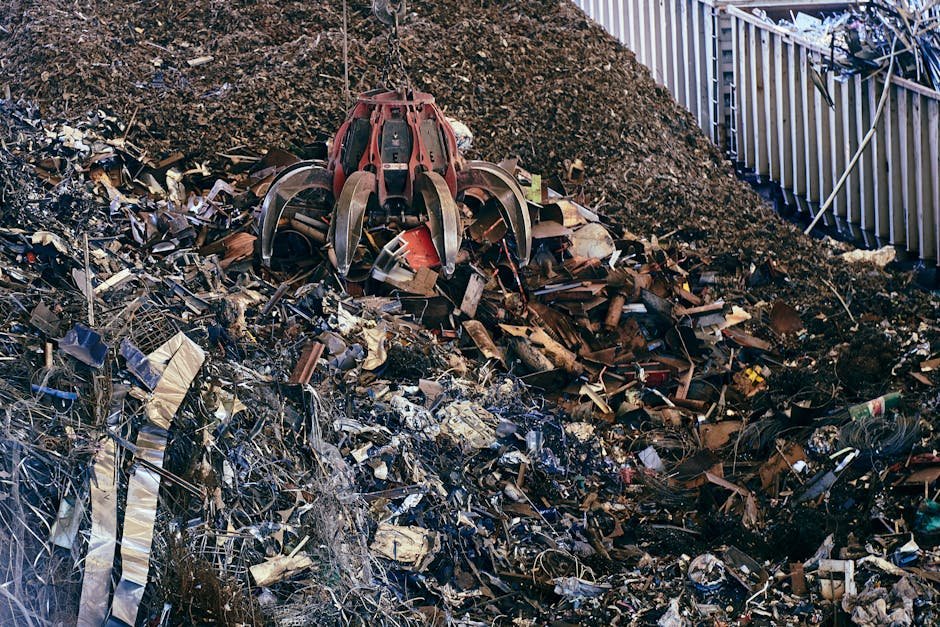

When you are selling for scrap, the difference between a mediocre payout and a high-value return often comes down to preparation and market awareness. The Australian scrap metal industry is a sophisticated global supply chain, and understanding how to navigate it ensures you are not leaving money on the table. Whether you are a trade professional clearing a worksite or a homeowner cleaning out the garage, the process of Sell Scrap requires a strategic approach to sorting, cleaning, and timing your sales to match market fluctuations. By following the principles of Maximizing Your Returns in Australian Scrap Metal Recycling, you can transform what many perceive as waste into a profitable revenue stream.
Understanding Metal Grades and Value
The foundation of any profitable scrap transaction is the accurate identification of metal grades. Scrap dealers classify metals into two primary categories: Ferrous and Non-Ferrous. Ferrous metals, such as iron and steel, contain carbon and are magnetic. While these are abundant, they generally command lower prices per kilogram compared to non-ferrous metals. Non-ferrous metals, including copper, aluminium, brass, and stainless steel, do not contain iron and are significantly more valuable due to their infinite recyclability and high demand in manufacturing sectors.
Copper is the gold standard of the scrap world. Within this category, you have different grades, such as ‘Bright and Shiny’ (bare, clean, unoxidized copper wire), which fetches the highest premium. ‘Burnt wire’ or copper with insulation significantly drops in value because of the processing cost required to remove the plastic. Similarly, aluminium is graded by its purity—extruded aluminium (like window frames) is worth more than cast aluminium or ‘dirty’ aluminium containing steel screws or rubber seals. When selling for scrap, you must invest time in separating these grades. Mixing a high-value copper pipe with low-value steel will often result in the entire load being downgraded to the lowest common denominator price by the Gmr Scrap yard.
How to Prepare Your Metal for Maximum Returns
Preparation is the single most effective way to increase your profit margin. A scrap dealer is a business owner who must factor in the cost of labor and processing. If you bring in a pile of mixed, dirty metal, they have to pay someone to sort and clean it. If you bring in sorted, clean material, you are essentially doing their work for them, which gives you leverage to negotiate a better price. Start by removing all non-metallic attachments. This includes plastic handles on tools, rubber gaskets on copper pipes, and steel screws from aluminium extrusions.
For those looking to secure the best price, consistency is key. Establish a relationship with a local yard and maintain a high standard for the material you bring in. Over time, yards will recognize your loads as ‘clean,’ making the weighing and payment process faster and more reliable. Always use a reliable Australian scrap metal recycling directory to find facilities that provide transparent, calibrated scales. If you are dealing with large volumes, ask the yard for a printout of the weighbridge ticket. This documentation is essential for your records and ensures you are being paid for the exact weight of the material delivered.
Navigating the Scrap Market and Choosing a Dealer
Finding the right scrap dealer is about more than just proximity. While convenience matters, the reputation and transparency of the yard are paramount. Look for yards that are members of industry associations and have clear, public pricing policies. Some yards operate on a ‘spot price’ basis, meaning the price you get is determined by the London Metal Exchange (LME) rates on the day of sale. Because the market is volatile, it pays to keep an eye on global commodity trends. If copper prices are trending upward, it might be worth holding onto your stock for an extra week to capitalize on the surge.
When you are selling for scrap, avoid the temptation to sell to ‘fly-by-night’ operators who offer cash without documentation. Reputable businesses will always require identification and will often provide a receipt or invoice. This is not just a regulatory requirement; it is your protection. In Australia, the scrap industry is heavily regulated to prevent the trade of stolen goods. By dealing with established, licensed businesses, you ensure that you are operating within the law and contributing to a circular economy that prioritizes ethical sourcing. Always ask for a breakdown of the price per grade so you can verify the math against the current market rates for Scrap.
The Environmental Impact of Metal Recycling
The environmental case for recycling metal is overwhelming. Metal is one of the few materials that can be recycled indefinitely without losing its physical properties. When you sell metal for recycling, you are directly reducing the need for virgin ore extraction. Mining for raw metals is an energy-intensive process that destroys habitats, consumes vast amounts of water, and produces significant carbon emissions. By contrast, recycling aluminium saves approximately 95% of the energy required to produce it from bauxite ore. Recycling steel saves roughly 75% of the energy compared to producing it from iron ore.
Every kilogram of metal you divert from a landfill contributes to Australia’s national sustainability goals. In the modern industrial landscape, metal recycling is a cornerstone of ‘urban mining.’ By recovering valuable metals from end-of-life products like vehicles, appliances, and construction waste, we reduce the pressure on our natural resources. When you participate in this system, you are not just making money; you are part of a vital infrastructure that keeps the Australian manufacturing sector supplied with sustainable raw materials. This is the ultimate goal of the circular economy: keeping materials in use for as long as possible and minimizing waste at every stage of the lifecycle.
Documentation and Legal Requirements
In Australia, the regulatory environment for scrap trading has tightened significantly to combat metal theft. When you arrive at a yard, expect to present valid photo identification, such as a driver’s license or passport. Some states also require the recording of your vehicle registration number. These measures are designed to ensure traceability. If you are a business owner or a contractor, you may also need to provide an ABN (Australian Business Number) for tax purposes. Keeping detailed records of your sales is a best practice, especially if you are disposing of metal on behalf of a company.
Additionally, be aware of environmental regulations regarding the disposal of hazardous materials. For example, old whitegoods may contain refrigerants or capacitors that require specialized handling. Never attempt to dismantle items that contain hazardous substances yourself. Instead, identify a yard that is equipped to handle ‘whitegoods’ or ‘e-waste’ safely. They have the specialized machinery and safety protocols to extract these materials without harming the environment or their staff. Being a responsible seller means knowing the limits of your own equipment and deferring to the professionals when dealing with complex or potentially dangerous items.
Advanced Strategies for High-Volume Sellers
If you are generating large quantities of scrap on a regular basis—such as a demolition contractor or a large-scale manufacturer—your strategy should shift from ‘selling’ to ‘managing.’ This involves setting up a dedicated scrap collection area on your site. Use color-coded bins to keep different metals separate at the source. This eliminates the need for sorting later and ensures you receive the highest possible price for every load. Contact your local scrap dealer to discuss a bin service; they will often provide roll-on, roll-off skips that can be swapped out as they fill up.
Furthermore, negotiate a contract. If you can guarantee a consistent volume of specific metals, many scrap yards will offer you a premium over the standard spot price. This is a mutually beneficial arrangement: the yard gets a reliable supply of high-quality material, and you get a better price and more efficient logistics. Always monitor your ‘yield’—the amount of revenue you generate per tonne of scrap—and use this data to optimize your collection process. By treating your scrap as a product rather than a waste stream, you can turn a minor operational cost into a significant revenue center that supports your primary business activities.
Case Study: The Trade Professional’s Advantage
Consider a local electrician who regularly accumulates copper wire offcuts. In the past, this electrician would throw the wire into a general waste skip, paying for the disposal. After learning about the value of different grades, the electrician began stripping the insulation from the heavy-gauge wire and separating the thinner wire into a separate bin. By dedicating just 30 minutes a week to this process, the electrician now generates an extra $5,000 to $10,000 in annual revenue from scrap alone. This is not an isolated case; it is the standard for trade professionals who understand the value of their waste.
The key takeaway is that the effort you put into sorting and cleaning is directly proportional to the cash you receive. Whether you are dealing with copper, brass, stainless steel, or lead, the rules remain the same: keep it clean, keep it sorted, and keep it legal. The market for scrap metal is robust and essential, and by positioning yourself as a knowledgeable participant, you ensure that you are always getting the most out of your inventory. As global demand for recycled metals continues to rise, the value of your scrap will only become more significant. Start today by auditing your current waste streams and implementing a professional sorting system that aligns with the requirements of top-tier Australian scrap yards.
Frequently Asked Questions
What is the most valuable metal I can sell for scrap?
Copper is consistently the most valuable common scrap metal. Specifically, ‘Bright and Shiny’ copper wire, which is unoxidized and free of insulation, commands the highest market price.
Do I need to provide ID when selling scrap metal?
Yes, in Australia, you are legally required to provide valid photo identification when selling scrap metal. This is a standard industry practice to prevent the trade of stolen property.
How can I ensure I get the best price for my scrap?
The best way to get a high price is to sort your metals by grade and remove all non-metallic contaminants like plastic, rubber, or steel screws. Clean, sorted loads are much more valuable to scrap dealers than mixed, dirty loads.
Why does my scrap metal price change from week to week?
Scrap metal prices are tied to global commodity markets, specifically the London Metal Exchange. Factors like supply chain demand, global manufacturing output, and currency fluctuations cause these prices to shift daily.