
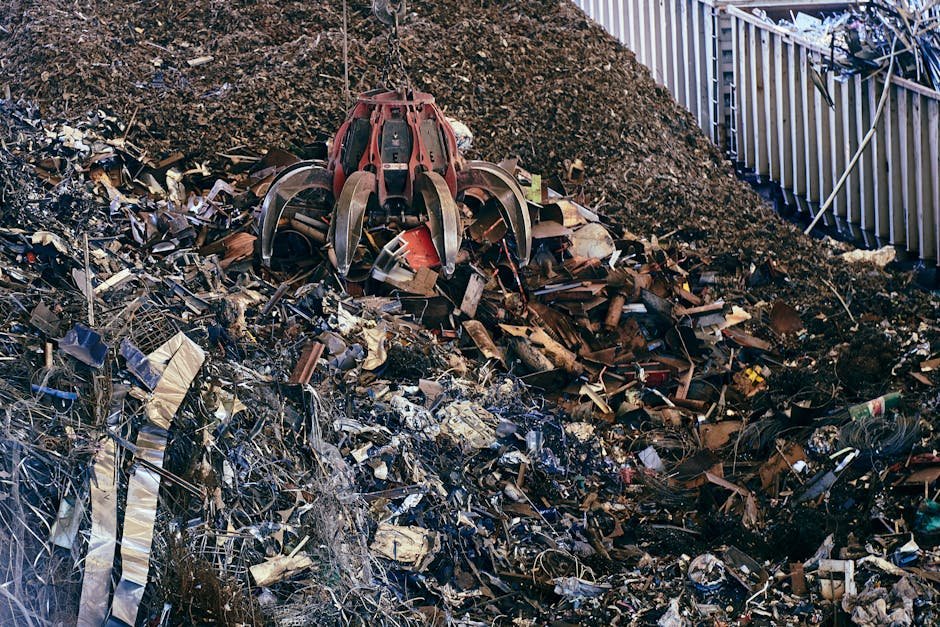

When searching for a scrap market near me, you are entering a sophisticated global supply chain that transforms discarded industrial and domestic materials into valuable raw commodities. Australia’s recycling infrastructure has evolved into a highly technical sector, where precision grading and efficient logistics determine the profitability of every tonne of metal processed. Whether you are a trade contractor, a demolition expert, or a household recycler, understanding the nuances of the local scrap market is the first step toward turning waste into a revenue stream. By leveraging resources like Scrap Trade, you can stay informed on current pricing trends and market movements that dictate your bottom line.
Understanding Metal Grades: The Foundation of Value
The Australian scrap industry relies on the ISRI (Institute of Scrap Recycling Industries) standards, which categorize metals to ensure consistency across global markets. To maximize your returns when you Sell Scrap, you must understand how these grades are determined by purity, chemical composition, and physical form. Ferrous metals, such as steel and iron, are typically graded by thickness and contamination levels. For example, ‘Heavy Melting Steel’ (HMS) commands a higher price than ‘Light Iron’ or ‘Sheet Metal’ because it is easier to process in electric arc furnaces. Non-ferrous metals, including copper, aluminum, brass, and lead, represent the highest value tier in the market. Copper is categorized into ‘Bright and Shiny’ (Number 1 wire), ‘Millberry,’ and ‘Candy,’ with the difference in price often coming down to the presence of insulation or oxidation. Aluminum is similarly graded by its alloy type; ‘Extrusion’ (6063) is more valuable than ‘Cast’ or ‘Sheet’ aluminum. When you visit a local scrap yard, the operator will use handheld XRF (X-ray fluorescence) analyzers to verify the alloy composition of your material. This technology eliminates guesswork and ensures you are paid accurately for the specific chemical makeup of your scrap. Knowing your grades before you arrive at the facility prevents disputes and ensures you are treated as a professional supplier rather than an amateur. For a deep dive into the specific metrics affecting your local area, review Australia’s Scrap Market: Grades, Prices & Green Profits to understand how global supply chains influence local yard pricing.
The Mechanics of Metal Recycling: From Yard to Mill
Recycling is not just about collection; it is a complex industrial process that requires heavy machinery and rigorous quality control. Once you drop off your material at a nearby recycler, the processing journey begins with sorting and separation. High-powered magnets are used to pull ferrous metals from the stream, while eddy current separators use magnetic fields to repel non-ferrous metals like aluminum and copper. For complex items like electric motors or transformers, shredding is the primary method of liberation. Modern shredders can reduce a whole car to fist-sized fragments in seconds, allowing for the mechanical separation of steel, plastic, glass, and rubber. Once separated, the metals are cleaned of contaminants such as oil, paint, or plastic coatings. This ‘clean’ scrap is then baled or compacted into high-density cubes, which are easier to transport and feed into smelters. In Australia, much of this processed material is exported to international mills, though there is a growing domestic trend toward circular manufacturing. By utilizing services like Scraptrade, you can connect with verified buyers who adhere to strict environmental standards throughout the recycling chain. Understanding this industrial lifecycle helps you appreciate why clean, sorted scrap is significantly more valuable than mixed, contaminated loads. If you have large volumes, many yards offer local pickup services, which can save you significant time and logistical costs, provided you have enough material to meet their minimum weight thresholds.
Environmental and Economic Benefits of Scrap
The environmental case for metal recycling is overwhelming: producing aluminum from recycled scrap uses 95% less energy than producing it from virgin bauxite ore. Similarly, recycling steel reduces energy consumption by approximately 75% and significantly lowers CO2 emissions. When you participate in the scrap market near me, you are actively contributing to a circular economy that preserves finite natural resources and reduces the need for destructive mining operations. Beyond the environmental impact, the economic benefits are substantial. Metal recycling is a multi-billion dollar industry that supports thousands of jobs in logistics, engineering, and manufacturing. By keeping scrap in the loop, we reduce the amount of waste sent to landfills, which is a critical priority for Australian municipal councils. Furthermore, the price of scrap is a leading economic indicator. When demand for recycled metal is high, it suggests that global manufacturing is robust. Conversely, when prices dip, it often reflects a slowdown in industrial production. By engaging with reputable recyclers like Gmr Scrap, you ensure that your materials are handled by companies that prioritize sustainability and regulatory compliance. This is not just about clearing out your shed; it is about participating in a vital infrastructure that keeps the Australian economy running while minimizing our ecological footprint.
Strategic Tips for Maximizing Your Scrap Returns
To get the best price for your Scrap, preparation is key. First, always sort your materials by grade before arriving at the yard. Mixing copper pipes with brass fittings or steel bolts will result in the entire load being downgraded to the lowest common denominator price. Second, remove any non-metallic attachments. Plastic handles, rubber hoses, and wooden frames are considered ‘contaminants’ and will be deducted from your total weight. Third, keep an eye on the market. Scrap prices are volatile and fluctuate based on the London Metal Exchange (LME). If you have large quantities of high-value metals, it is worth calling your local yard to ask about volume-based pricing or to lock in a price for the day. Fourth, build a relationship with your local recycler. Yards value long-term, reliable suppliers who provide clean, consistent loads. If you are a regular, you may be eligible for better rates or priority service during peak hours. Finally, always prioritize safety. Wear appropriate PPE, including gloves and steel-toed boots, when handling scrap. Metal edges can be razor-sharp, and heavy loads require proper lifting techniques. By treating your scrap business with the same professionalism as any other commercial venture, you ensure that you are consistently maximizing your margins while supporting a healthy, competitive market.
The Future of the Australian Scrap Industry
The Australian scrap market is currently undergoing a digital transformation. We are seeing the integration of blockchain for supply chain transparency, ensuring that recycled materials can be traced back to their source. This is particularly important for industries like automotive and electronics, where manufacturers are under increasing pressure to prove the recycled content of their products. Additionally, the shift toward ‘urban mining’ is gaining momentum. As we move away from traditional extraction, the focus is shifting to recovering precious metals like gold, silver, and palladium from electronic waste (e-waste). This requires specialized facilities that can handle hazardous materials safely. As a participant in the market, staying informed about these technological shifts will give you a competitive edge. Whether you are looking for a scrap market near me to dispose of household items or you are managing industrial waste streams, the industry is moving toward greater efficiency and higher recovery rates. The integration of AI-driven sorting robots and automated weighbridge systems is making the recycling process faster and more accurate than ever before. By aligning yourself with modern, tech-forward recyclers, you ensure that your scrap is contributing to the most efficient and sustainable supply chains in the country.
Case Study: Optimizing Industrial Scrap Streams
Consider a medium-sized engineering firm in Western Australia that was previously paying for waste removal for their steel offcuts. By implementing a dedicated scrap management plan, they began sorting their high-grade stainless steel from their mild steel and aluminum. They invested in a small baling machine to compress their offcuts, which significantly increased the density of their loads. They then partnered with a local recycler that provided a local pickup service for their sorted bins. Within six months, the firm transitioned from a net-cost waste disposal model to a revenue-generating scrap stream. This case illustrates that the value of scrap is not just in the material itself, but in the logistics and preparation. By treating scrap as a secondary raw material rather than ‘rubbish,’ businesses can unlock significant value. This approach requires a change in mindset and a commitment to operational efficiency. If you are a business owner, start by auditing your waste stream to identify which metals are being discarded. Once identified, contact a local recycler to discuss the best way to segregate and store these materials. The initial investment in bins, signage, and staff training will pay for itself through increased scrap payouts and reduced waste disposal fees. This is the hallmark of a mature, circular business model that thrives in today’s economy.
Frequently Asked Questions
What is the most valuable metal to recycle?
Copper is generally the most valuable non-ferrous metal, particularly when it is clean and free of insulation. Other high-value metals include brass, lead, and specific aluminum alloys, though prices fluctuate based on global market demand.
Does the local scrap yard buy all types of metal?
Most yards accept a wide range of ferrous and non-ferrous metals, but they typically have restrictions on hazardous materials like gas bottles, radioactive items, or sealed containers. Always call ahead to confirm if they accept your specific type of scrap.
How can I get the best price for my scrap metal?
The best way to increase your profit is to sort your metals by type and grade before arriving at the yard. Removing non-metallic contaminants like plastic, rubber, or wood ensures you are paid for the full weight of the metal, not a discounted rate for mixed waste.
Why do scrap metal prices change so often?
Scrap prices are tied to the London Metal Exchange (LME) and are influenced by global supply and demand, manufacturing activity, and currency fluctuations. Because Australia exports a significant portion of its scrap, local prices react quickly to international market shifts.