

Deciding to sell your scrap is more than just a way to clear out your workshop or industrial site; it is a strategic financial decision that contributes to the circular economy. In Australia, the scrap metal industry is a sophisticated network of processors and exporters who rely on high-quality input to meet global demand. When you prepare to sell your scrap, you are essentially acting as a primary supplier in a global supply chain. This guide will walk you through the essential steps to maximize your returns, understand the nuances of metal grading, and navigate the regulatory environment of the Australian recycling sector. For those looking to understand the broader landscape, our Sell Scrap in Australia: Complete 2026 Guide provides the necessary context for modern industry standards. Whether you are a tradesperson, a construction manager, or a household recycler, the ability to sell your scrap effectively depends on your knowledge of current market conditions and your ability to present your materials in a way that reduces processing costs for the buyer.
Understanding Metal Grades and Value
The Australian scrap market is driven by purity and classification. Metals are not priced as a monolith; they are traded based on chemical composition and the ease of refinement. The most valuable metals are non-ferrous, such as copper, aluminium, and brass, which retain their properties indefinitely through the recycling process. When you approach a scrap dealer, they will immediately assess your load for ‘contamination.’ Contamination refers to any non-metallic material—plastic, rubber, wood, or dirt—attached to the metal. A copper pipe with a plastic fitting still attached is worth significantly less than clean copper because the processor must spend labor hours removing the plastic. To achieve the best price, you must strip your materials down to their base elements. For instance, ‘Bright and Shiny’ copper is the industry gold standard, while ‘Burnt’ or ‘Insulated’ copper fetches lower prices due to the environmental and mechanical challenges of processing them. If you are looking for local options, check out Sell Scrap Metal Near Me In 2026 to find facilities that prioritize high-grade sorting. Understanding these grades allows you to negotiate with confidence. If you know your load is primarily ‘Number 1 Copper,’ you can demand a price that reflects its true market value rather than accepting a generic ‘mixed scrap’ rate.
The Professional Recycling Process
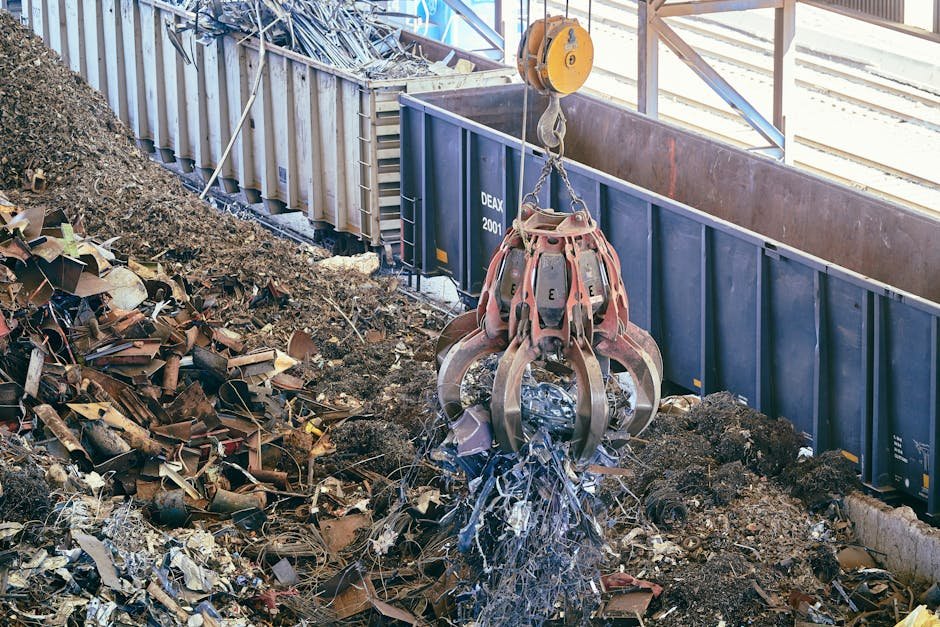
Recycling in Australia is a high-tech operation that transforms raw scrap into industrial-grade feedstock. Once you successfully sell scrap to a facility, the material undergoes a rigorous process. First, it is weighed on calibrated, government-certified scales. Transparency at this stage is non-negotiable. The material is then sorted, often using advanced technologies like X-ray fluorescence (XRF) analyzers to determine exact alloy compositions. Following sorting, materials are shredded, baled, or sheared to reduce volume for transport. Ferrous metals are separated using powerful magnetic separators, while non-ferrous metals may be separated using eddy current separators. This entire process is designed to minimize energy consumption; recycling one tonne of aluminium, for example, saves up to 95% of the energy required to produce primary aluminium from bauxite ore. By participating in this, you are reducing the need for destructive mining practices. Companies like Gmr Scrap exemplify the industry’s commitment to efficient, large-scale recycling operations that serve the Australian construction and manufacturing sectors. When you choose to recycle, you are not just clearing space—you are fueling a sustainable industrial engine.
Preparing Your Scrap for Maximum Profit
Preparation is the single most effective way to influence the price you receive. A disorganized pile of mixed metals is often treated as ‘shred’ or ‘mixed steel,’ which commands the lowest market price. To get the best price, you must organize your haul. Separate your copper from your aluminium, and keep your stainless steel away from your carbon steel. Remove any non-metal attachments. If you have large items, such as old machinery, dismantling them can significantly increase your profit. A machine that is 80% steel and 20% aluminium is worth more if the aluminium components are separated. Furthermore, timing your sales can be beneficial. Scrap metal prices fluctuate daily based on the London Metal Exchange (LME) and the strength of the Australian Dollar. While you cannot predict the market perfectly, avoid selling during periods of extreme volatility or when global demand is sluggish. If you have a large volume, consider building a relationship with a local yard. Consistent suppliers often receive preferential pricing and better service. For more insights on how to optimize your supply, visit Scrap Trade for industry-leading resources. Always ensure you have the proper identification, as Australian law requires scrap dealers to record the details of sellers to prevent the trade of stolen goods. Carry your driver’s license and, if you are a business, your ABN.
Environmental Benefits and Regulatory Compliance
The environmental impact of recycling scrap metal cannot be overstated. By keeping scrap out of landfills, we prevent heavy metals from leaching into the soil and water table. Furthermore, the recycling industry is a major pillar of Australia’s commitment to carbon reduction. Every tonne of recycled steel prevents approximately 1.5 tonnes of iron ore and 0.5 tonnes of coal from being extracted, significantly reducing the carbon footprint of manufacturing. Regulatory compliance is also a major factor. The Australian government enforces strict environmental standards on scrap yards, ensuring that hazardous materials like lead-acid batteries or refrigerant gases are handled safely. When you sell scrap to a licensed facility, you are ensuring that your materials will be processed in accordance with these environmental laws. Always verify that your chosen facility adheres to state-based environmental protection agency (EPA) guidelines. For further details on how the industry maintains these standards, you can explore the resources at Scrap Trade Australia. Being a responsible seller means choosing partners who prioritize safety and sustainability, ensuring that your scrap contributes positively to the environment rather than adding to the waste stream.
Navigating the 2026 Market Landscape
As we move through 2026, the scrap metal market is increasingly influenced by the transition to green energy. Demand for copper is surging due to its critical role in electric vehicles, wind turbines, and solar infrastructure. Similarly, aluminium is seeing renewed interest as manufacturers seek lightweight, recyclable alternatives to plastic and heavier metals. This shift means that certain grades of scrap are becoming more valuable than they were even a few years ago. Sellers who stay informed about these trends can time their sales to capture peak prices. For example, if you are a contractor, you might find that your site clean-up yields high-value copper wiring that is currently in high demand. Don’t just dump it; categorize it and contact a reputable scrap dealer who understands the current market premium for high-conductivity copper. Furthermore, the rise of digital tools and apps has made it easier to track local pricing and find the nearest facility. Leveraging these tools ensures you are not leaving money on the table. Whether you are a small-scale recycler or a large industrial entity, the principles remain the same: quality, sorting, and relationship-building are the keys to success. By treating your scrap as a valuable commodity rather than waste, you transform a disposal problem into a consistent revenue stream that supports your business operations and the broader Australian economy.
The Future of Scrap Trading
Looking ahead, the scrap metal industry is poised for further innovation. Automated sorting technologies using artificial intelligence are becoming common, allowing yards to process materials with unprecedented speed and accuracy. This efficiency benefits the seller, as lower processing costs for the yard can lead to higher buying prices. Additionally, the push for a ‘circular economy’ is gaining momentum across all levels of government, which will likely lead to more incentives for recycling and stricter penalties for illegal dumping. By getting involved in the scrap market now, you are positioning yourself at the forefront of this shift. You are not just selling metal; you are participating in a vital industrial cycle that preserves natural resources and supports local manufacturing. As you continue to sell your scrap, remember that your actions have a ripple effect. Every kilo of metal you recycle helps keep the Australian industry competitive and sustainable. Stay educated, keep your materials clean, and always choose partners who value transparency and environmental stewardship. The scrap metal industry is a testament to the fact that one person’s waste is another’s essential resource, and with the right approach, you can turn that reality into significant financial gain. Whether you are dealing with copper, brass, steel, or lead, the market is waiting for your contribution. Make the choice to recycle responsibly and profitably, and you will find that the rewards are well worth the effort of proper preparation and market research.
Related: Sell Scrap
Frequently Asked Questions
What documents do I need to sell scrap metal in Australia?
You must provide a valid government-issued photo ID, such as a driver’s license or passport. If you are selling on behalf of a business, you should also provide your ABN and potentially a letter of authority.
How can I ensure I get the best price for my scrap?
Sort your metals by type and remove all non-metallic contaminants like plastic, rubber, or wood. Contact multiple reputable scrap dealers to compare current market rates before you sell.
Why is it important to separate my scrap metal?
Separating metals allows the scrap dealer to offer you the specific market rate for each material. Mixed loads are usually priced at the value of the lowest-grade metal in the pile, which significantly reduces your profit.
What are the environmental benefits of recycling scrap?
Recycling scrap metal significantly reduces the need for energy-intensive mining and smelting processes. It also prevents hazardous waste from entering landfills and conserves natural resources for future generations.