
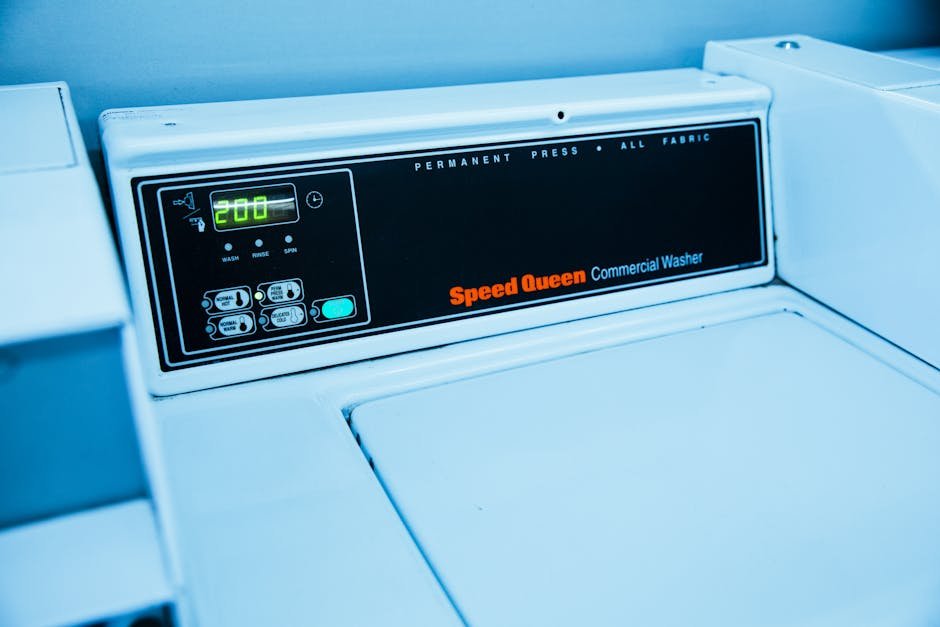

When you are selling washer units for scrap, you are tapping into a valuable stream of recyclable materials that includes steel, copper, and aluminium. Understanding the internal composition of a washing machine is the first step toward maximizing your returns in Australian scrap metal recycling. Most modern washing machines are composed of approximately 70-80% steel, with the remainder consisting of valuable electric motors, copper wiring, and sometimes plastic or concrete counterweights. By treating your old appliance as a collection of commodities rather than a single piece of junk, you transform a disposal liability into a profitable asset. Whether you are a homeowner clearing out a garage or a trade contractor managing site waste, the process of selling washer units follows a strict methodology that separates amateur recyclers from those who consistently secure the highest market payouts.
Understanding the Value Chain of Domestic Appliances
The Australian scrap market is driven by global commodity prices, particularly for ferrous and non-ferrous metals. When you decide on selling washer components, you are essentially trading in heavy steel, electric motors, and insulated copper cabling. The steel casing of a washing machine is classified as ‘light gauge’ or ‘sheet’ steel. While this is the most abundant material, it typically fetches the lowest price per kilogram. However, the true profit lies in the ‘hidden’ components. Inside every machine, you will find a motor—often containing copper windings—and a wiring harness. These items fall into the non-ferrous category, which is significantly more valuable. To understand how these values shift, you must first learn the art of How To Verify Scrap Buyers Before Selling, ensuring that the facility you choose uses certified scales and provides transparent pricing. A reputable yard will display their current buy prices, which are linked to the London Metal Exchange (LME) or regional benchmarks. If a buyer refuses to provide a price per kilogram, it is a red flag that you should seek alternative scrap metal recycling services at Scrap Trade to ensure you are receiving fair market value.
Preparation and Strategic Dismantling
Preparation is the single most effective way to increase your profit margins. A whole washing machine is often treated as ‘mixed scrap’ or ‘white goods,’ which commands the lowest market rate because the yard must expend labor to dismantle it. By performing the labor yourself, you capture that value. Start by unplugging the unit and disconnecting all hoses. Remove the top lid—usually held by two screws at the back—to expose the internal drum and motor assembly. Use a socket set to remove the motor. This component is the ‘gold mine’ of the appliance. Keep the motor intact; do not attempt to dismantle the copper windings unless you have significant experience, as the time invested often outweighs the marginal gain in copper purity. Next, cut the power cord and any visible wiring harnesses. These are high-grade copper items. If you find yourself dealing with other types of industrial waste, you might also find our Telecom Scrap Metal Selling Guide useful for identifying high-value cables that often accompany household appliance cleanouts. Ensure all fluids are drained, as some yards will penalize you for contaminated loads.
Where to Sell: Choosing the Right Scrap Dealer
Not all scrap yards are created equal. When researching where to sell, prioritize facilities that offer public weigh-in services and clear, itemized receipts. In Australia, the industry is heavily regulated to prevent the trade of stolen goods. Therefore, you must be prepared to provide identification. Before you commit to a specific location, utilize the resources at Scrap Trade Australia to locate verified, high-volume yards in your state. Large-scale yards generally offer better prices because they have lower overheads per ton and direct access to export markets. Smaller yards might be more convenient, but they often act as middlemen, which inevitably shrinks your profit margin. Always perform a check using the steps outlined in How To Verify Scrap Buyers Before Selling 2 to confirm that the business is legitimate and maintains current environmental compliance certificates. A professional dealer will be happy to explain their grading process and show you how their scales are calibrated. If you feel pressured or if the yard seems disorganized, trust your instincts and move on to a more established operator.
Logistics and Getting the Best Price
Transporting scrap requires a balance between volume and fuel costs. If you have only one washing machine, the cost of fuel might negate the profit. However, if you are clearing out multiple appliances, the economy of scale becomes significant. When getting the best price, timing is everything. Keep an eye on the Australian dollar and global metal indices. When the AUD is strong, imported goods are cheaper, but export prices for scrap can fluctuate. Aim to sell when demand for recycled steel is high. Another strategy is to stockpile your non-ferrous metals—like the copper wires and motors you stripped—and sell them in larger batches. Dealers are often willing to negotiate a premium for larger quantities of high-grade material. When you arrive at the yard, ensure your load is sorted. Mixing steel, copper, and plastic in one pile will result in the dealer grading the entire load at the lowest common denominator—the steel price. By keeping your materials segregated, you demonstrate professionalism and enable the dealer to offer you the correct price for each grade.
Legal Requirements and Documentation
The Australian scrap metal industry operates under strict state-based legislation to combat the sale of stolen property. When you arrive at a yard to sell your scrap, you will be required to provide government-issued photo identification, such as a driver’s license or passport. Some states also require you to provide your bank account details, as many yards have moved toward cashless payments to improve security and transparency. This is not an inconvenience; it is a legal requirement that protects both you and the industry. Keep a record of your transactions. If you are selling regularly, maintaining a ledger of what you sold, the weight, the date, and the price received will help you track your returns and identify which yards are consistently offering the best price. Remember that a reputable scrap dealer will never ask you to bypass these identification protocols. If a buyer offers ‘cash in hand’ without asking for ID, this is a major red flag and likely an illegal operation. Engaging with such entities puts you at risk of being associated with illicit activities and often results in lower payouts, as they cannot access the legitimate, high-value export markets.
Environmental Responsibility and Future Trends
Recycling is not just about the money; it is about closing the loop on resource consumption. By selling washer units to a legitimate recycler, you ensure that the metals are processed in facilities that adhere to Australian environmental standards, preventing hazardous materials like refrigerant gases or heavy metals from entering landfills. The future of the industry is moving toward ‘urban mining,’ where cities are viewed as reservoirs of raw materials. As manufacturing processes become more complex, the composition of appliances is changing, with more plastics and composites being used. This makes the role of the individual recycler even more critical. By carefully separating materials, you are providing a cleaner feedstock for the recycling industry, which in turn reduces the energy required to refine new metals. The trend is shifting toward higher transparency and better technology in scrap yards, with automated sorting and advanced sensor-based identification becoming the norm. By staying informed and participating in this circular economy, you contribute to a more sustainable industrial landscape in Australia while securing a steady income stream from your waste management efforts.
Summary of Best Practices for Maximum Profit
To summarize, the path to success in scrap metal recycling is built on three pillars: preparation, verification, and timing. First, never sell a whole unit if you have the tools to strip it; the value is in the separation of ferrous and non-ferrous metals. Second, always prioritize safety and legality. Use the resources provided in our guides to ensure you are dealing with verified professionals. Third, maintain a long-term view. While a single washing machine might yield a modest return, a consistent system of collecting and processing scrap can turn a regular chore into a reliable revenue stream. Always keep your workspace clean, wear appropriate protective gear when dismantling appliances, and stay updated on local market fluctuations. By treating your scrap metal collection as a business, you ensure that you get the most out of every kilogram, contributing to a more efficient and profitable recycling sector across Australia.
Related: How To Verify Scrap Buyers Before Selling
Related: How To Verify Scrap Buyers Before Selling 2
Related: Maximizing Your Returns in Australian Scrap Metal Recycling
Frequently Asked Questions
Is it worth stripping a washing machine for scrap?
Yes, it is highly recommended. By removing the electric motor and copper wiring, you can separate the high-value non-ferrous metals from the low-value steel, significantly increasing your total payout.
Do I need to show ID when selling scrap metal in Australia?
Yes, Australian law requires scrap yards to record the identity of sellers to prevent the trade of stolen goods. You must provide a valid government-issued photo ID, such as a driver’s license.
How can I find the best price for my scrap metal?
Call multiple local scrap yards to compare their current rates for specific grades of metal. Check if they offer better pricing for larger volumes or sorted loads.
What should I do with the plastic and non-metal parts of the washer?
Ask your local scrap yard if they accept mixed loads or if they have a dedicated area for general waste. Some yards may charge a fee for disposing of non-recyclable materials.