
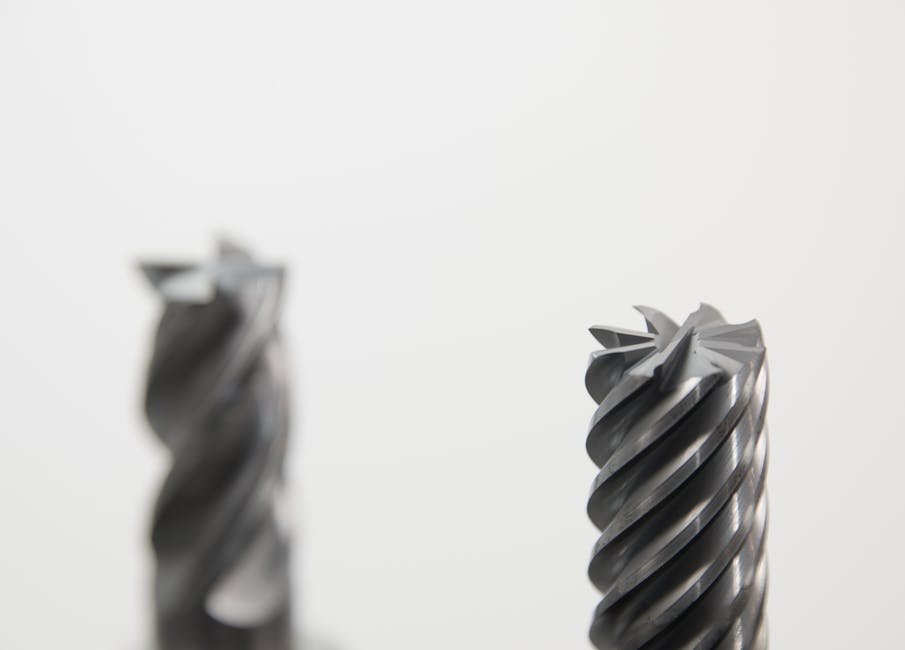

Navigating the complex landscape of tungsten carbide scrap buyers requires a deep understanding of industrial metallurgy and global commodity trends. Tungsten carbide, often referred to as ‘hard metal’ or ‘cemented carbide,’ is a critical material in high-performance manufacturing, mining, and automotive sectors. Because tungsten is a finite, high-value resource, professional scrap recycling is not just a financial opportunity—it is a cornerstone of the circular economy in Australia. Whether you are managing inventory from vehicle recycling facilities or clearing out specialized tooling from a machine shop, understanding the value chain is essential for securing the best market rates.
The Role of Tungsten Carbide Scrap Buyers in the Australian Market
Tungsten carbide scrap buyers act as the vital link between industrial waste producers and the refineries that transform worn-out tools back into virgin-grade tungsten powder. In Australia, the market is driven by the mining and construction sectors, which generate massive volumes of carbide inserts, drill bits, and wear parts. Trusted dealers operate by assessing the cobalt content, grain size, and level of contamination—such as brazing material or steel shanks—present in the scrap. Unlike common scrap metals like copper or aluminium, tungsten requires specialized chemical processing, often involving the zinc process or chemical leaching, to reclaim the tungsten and cobalt. When selecting a partner, you should look for transparency in their assaying process. Reliable buyers provide detailed reports on the chemical composition of your batch, which directly dictates the payout price. For those operating in the Western Australian mining hub, it is highly recommended to consult Tungsten Carbide Scrap Buyers WA | Your Complete Guide to understand regional logistics and freight considerations. The professionalization of this sector has led to more competitive pricing, but it has also increased the need for sellers to understand how to properly grade their materials before reaching out to a metal buyer.
Understanding Grades and Quality Standards
The value of your scrap is inherently tied to its grade. Tungsten carbide is not a monolithic material; it is a composite of tungsten carbide particles held together by a metallic binder, usually cobalt. High-grade inserts used in precision aerospace machining have different metallurgical properties than the heavy-duty rock bits used in open-cut mining. When you engage with tungsten carbide scrap buyers, you must be prepared to separate these materials. Contaminants such as steel, iron, or brass significantly lower the value of a batch because they complicate the refining process. A professional seller will remove steel shanks from drill bits and ensure that carbide inserts are free from heavy brazing residue. To stay ahead of market shifts, refer to the Tungsten Scrap Buyers Australia Pure Tungsten Alloys 2026 Guide, which outlines the expected quality benchmarks for the coming years. By maintaining clean, sorted scrap, you position yourself as a preferred supplier, which often grants access to premium ‘spot’ pricing rather than standard commodity rates. Remember that even small amounts of contamination can downgrade a ‘high-cobalt’ lot to ‘mixed carbide,’ resulting in a significant loss in potential revenue.
Logistics: How To Find and Vet Trusted Dealers
Finding a partner you can trust is the most critical step in the scrap trading process. In the Australian context, you are looking for companies that have established relationships with international refineries, as domestic processing capacity for tungsten is limited. A truly professional dealer will have a clear, documented chain of custody and will be able to explain exactly where the material is sent for recycling. If you are looking to expand your reach, you might want to learn How To Find Overseas Scrap Buyers to ensure you aren’t limiting yourself to local middlemen who may be taking excessive margins. Furthermore, if you are a larger operation, understanding the international trade dynamics is key; check out How To Attract International Scrap Buyers to improve your standing in the global market. When vetting a buyer, ask for their environmental certifications. A legitimate buyer should be able to provide proof of compliance with local EPA regulations. You can also visit Scrap Trade Australia to view listings of verified industry participants. Always prioritize buyers who offer weight-based assaying rather than flat-rate estimates, as the latter rarely reflects the true market value of high-cobalt materials.
The Environmental and Economic Impact of Recycling
Recycling tungsten carbide is an environmental imperative. Tungsten mining is energy-intensive and often takes place in regions with significant ecological footprints. By recycling existing carbide, we reduce the demand for virgin mining by up to 60-70%. This process is highly efficient; tungsten can be recycled indefinitely without losing its physical properties. From an economic perspective, this creates a ‘secondary market’ that acts as a hedge against the volatility of primary tungsten prices. When industries like vehicle recycling and car wreckers incorporate tungsten recovery into their standard operating procedures, they transform what was once a disposal cost into a revenue stream. This shift requires a change in mindset: instead of throwing broken inserts into a general scrap bin, these items should be segregated and treated as high-value assets. This practice is particularly relevant for auto parts manufacturers who utilize carbide tooling for engine block machining and transmission gear fabrication. By selling to reputable tungsten carbide scrap buyers, you are not only recouping costs but also contributing to a more sustainable Australian manufacturing sector.
Advanced Strategies for Maximizing ROI
To truly maximize your returns, you must treat your scrap management like a business unit. This involves implementing a ‘source segregation’ policy. If your facility produces multiple grades of carbide, use clearly labeled bins at the point of origin. This prevents high-value aerospace-grade carbide from getting mixed with lower-value mining-grade bits. Additionally, timing your sales can be beneficial. Tungsten prices are often tied to global industrial output; when manufacturing demand is high, the price of scrap rises accordingly. Keep a close eye on the London Metal Exchange (LME) and industry-specific indices. Another strategy is to aggregate your scrap. Shipping costs are a major factor in the Australian market, and many buyers offer significantly better rates for bulk shipments (e.g., 500kg+) compared to small, sporadic lots. Partnering with a logistics provider that specializes in industrial metal transport can also reduce your overhead. Finally, maintain accurate records of your sales. Over time, these records will provide you with data on which tools have the highest ‘scrap yield,’ allowing you to optimize your purchasing of new tooling to favor brands or grades that have higher resale value at the end of their lifecycle.
Common Pitfalls and How to Avoid Them
The most common mistake sellers make is failing to account for ‘hidden’ costs in the recycling process. Some buyers may quote a high price per kilogram but then apply heavy ‘processing fees’ or ‘refining deductions’ that drastically reduce your net payout. Always ask for a ‘net-to-seller’ quote that includes all costs. Another pitfall is the lack of proper documentation. When dealing with high-value metals, ensure you have invoices that clearly state the weight, grade, and agreed-upon price. This is essential for both tax purposes and for resolving disputes if the assay results differ from the initial estimate. Furthermore, be wary of buyers who do not provide a physical address or who operate solely through opaque online platforms. In the Australian market, there is no substitute for a physical site visit or a well-established company history. If a deal sounds too good to be true, it likely is—unusually high prices are often a red flag for poor-quality assaying or, in the worst cases, fraudulent weighing practices. Stick to established, transparent, and reputable entities that are willing to show you their process. By following these guidelines and utilizing the resources available at Scrap Trade, you can ensure that your tungsten carbide scrap is handled with the professionalism it deserves, maximizing your financial return while supporting a sustainable future for Australian industry.
Frequently Asked Questions
How do tungsten carbide scrap buyers determine the price of my material?
Buyers determine price primarily based on the percentage of tungsten and cobalt content, as well as the level of contamination from other metals. They use X-ray fluorescence (XRF) analyzers to verify the chemical composition of your batch before offering a quote.
What is the best way to prepare my carbide scrap for sale?
The best preparation method is to sort your scrap by grade and remove all non-carbide attachments like steel shanks, bolts, or brazing material. Keeping different grades separate ensures you receive the highest market rate for each specific type of carbide.
Are there environmental regulations I need to follow when selling scrap?
Yes, you must ensure that your scrap buyer complies with Australian environmental standards regarding hazardous waste handling and recycling. Always ask for a certificate of recycling or proof of compliant disposal to ensure your business remains legally protected.
Why is it important to work with a specialized tungsten buyer?
Specialized buyers have the specific chemical refining capabilities to extract tungsten and cobalt efficiently, which general scrap yards lack. This allows them to offer significantly higher prices because they are closer to the end-refining stage of the supply chain.