

If you have been asking yourself where can i sell my scrap metal, you are likely sitting on a valuable resource that, when processed correctly, contributes to Australia’s circular economy. Navigating the scrap market requires more than just finding the nearest yard; it demands an understanding of commodity pricing, material classification, and the regulatory requirements mandated by Australian law. When you Sell Scrap, you are participating in a global supply chain that transforms end-of-life materials into high-quality feedstock for manufacturing. This comprehensive guide serves as your definitive roadmap to maximizing your returns, ensuring compliance, and understanding the logistics of the industry.
Understanding the Scrap Metal Market in Australia
The Australian scrap metal industry is a multi-billion dollar sector driven by international demand, particularly from manufacturing hubs in Asia. When researching where can i sell my scrap metal, it is vital to recognize that prices fluctuate daily based on the London Metal Exchange (LME). A professional Scrap Metal Prices index will show you that copper, aluminum, and stainless steel are the primary drivers of profit for both the recycler and the seller. The market operates on a tiered system where volume and purity dictate your final payout. Large-scale industrial suppliers often secure higher rates due to the consistency of their supply, but individual sellers can achieve similar results by mastering the art of sorting. Understanding these market dynamics is the first step in moving from a casual recycler to a strategic seller. Whether you are clearing out a shed or managing a demolition site, knowing how to interpret market trends allows you to time your sales for peak profitability. The industry relies on transparency, and reputable dealers will always be willing to discuss how current market conditions are impacting their buy-prices. By engaging with industry-leading platforms like Scrap Trade, you gain access to the insights necessary to navigate these fluctuations with confidence.
How to Prepare Your Metal for Maximum Returns
Preparation is the single most effective way to increase your profit margin. When you arrive at a yard, the operator assesses the load based on cleanliness and sorting. If you mix your high-grade copper wire with low-grade steel, the dealer will likely price the entire load at the lower rate to account for the labor required to separate it. To ensure you receive the How to Sell Scrap Metal: Best Price & Where to Sell standard of service, you must categorize your materials beforehand. Start by separating ferrous metals (iron, steel) from non-ferrous metals (copper, brass, aluminum, lead). Within these categories, further refine your collection. For instance, bright shiny copper wire commands a significantly higher price than copper piping with solder or insulation. Remove attachments like plastic, rubber, or wood, as these are considered ‘contaminants’ and will lead to deductions in your final payment. Use a magnet to identify ferrous metals; if it sticks, it is likely iron or steel, which generally carries a lower value but is essential for volume-based sales. For those looking for local options, searching for how to Sell Scrap Metal Near Me In 2026 will reveal yards that prioritize clean, sorted loads. By providing a clean, sorted product, you save the dealer time, which often translates into a better per-kilogram rate for the seller. Always aim to present your materials in a way that allows for quick inspection and weighing.
Documentation and Legal Requirements
Since the introduction of stricter regulations across various Australian states, documentation has become a non-negotiable part of the scrap transaction. When you ask where can i sell my scrap metal, you must also ask what documents you need to carry. Under the Second-hand Dealers and Pawnbrokers Acts, scrap dealers are legally required to verify the identity of anyone selling metal to prevent the trade of stolen goods. You must provide a valid, government-issued photo ID, such as a driver’s license or passport. Additionally, many yards now require an ABN (Australian Business Number) if you are selling as a business or a contractor. Some states may also require you to provide banking details for electronic fund transfers (EFT), as many yards have moved away from cash payments to comply with anti-money laundering laws. Always maintain a record of your transactions, including the weight, grade, and price per unit. This not only helps you track your earnings but also serves as proof of legitimate disposal if you are a business owner. Reputable companies like Scrap Trade Australia emphasize the importance of these compliance measures to ensure the integrity of the recycling supply chain. By being prepared with the correct documentation, you ensure a smooth, professional transaction that builds trust with your local scrap dealer.
The Environmental Impact of Recycling
The environmental benefits of recycling scrap metal are profound and represent a critical pillar of Australia’s sustainability goals. Every tonne of recycled aluminum saves approximately 95% of the energy required to produce the same amount of metal from virgin ore. This reduction in energy consumption directly translates to a lower carbon footprint for the manufacturing sector. When you choose to recycle rather than discard, you are preventing hazardous materials from leaching into landfills and protecting local ecosystems. Steel recycling, in particular, is highly efficient; steel can be recycled infinitely without losing its inherent properties. This circularity is the foundation of the modern green economy. By selling your scrap to a licensed facility, you are ensuring that the materials are diverted from landfill and returned to the production cycle. This process conserves natural resources, reduces the need for invasive mining operations, and lowers greenhouse gas emissions. As a seller, you are not just making money; you are an active participant in a sustainable future. The industry is constantly evolving, with new technologies allowing for the recovery of rare earth metals from electronic waste, further increasing the value of what was once considered ‘junk.’ Understanding the lifecycle of your metal gives you a deeper appreciation for the role you play in the global supply chain.
How the Recycling Process Works
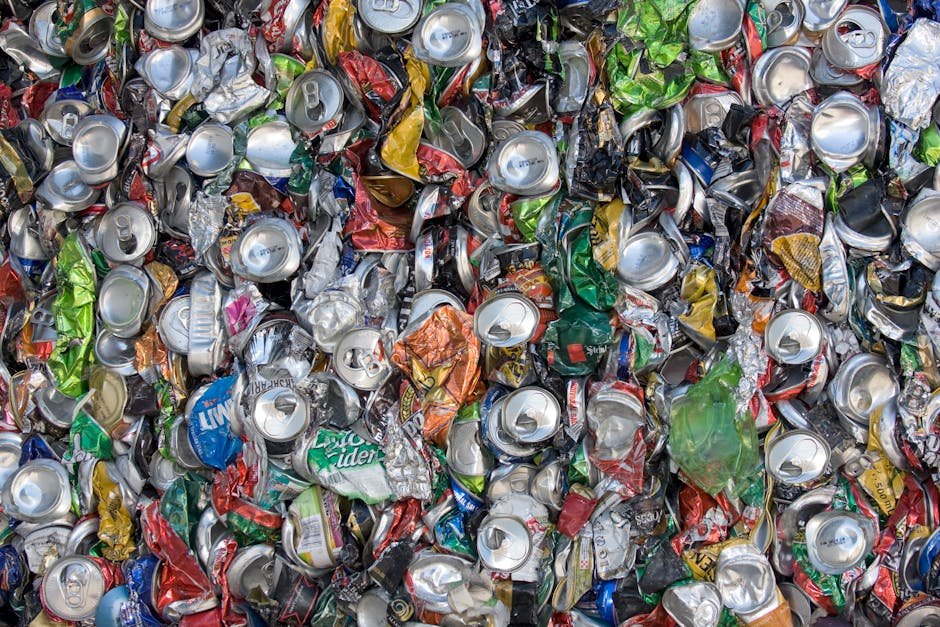
The journey from your scrap pile to a new product is a sophisticated industrial process. Once you have successfully sold your metal, the dealer initiates the collection and processing phase. First, the material is weighed on certified scales to determine the value. Next, the metal undergoes a sorting process, often utilizing advanced technology like X-ray fluorescence (XRF) analyzers to determine the exact chemical composition of alloys. Once sorted, the metal is processed—often shredded into smaller pieces to remove non-metallic impurities or baled into dense, transportable cubes. These bales are then sent to smelters or foundries where they are melted down and cast into ingots or billets. These ingots serve as the raw material for everything from automotive parts to construction beams. The efficiency of this process is what makes the scrap market so resilient. Even in economic downturns, the demand for recycled metal remains high because it is cheaper and faster to process than raw ore. This industrial cycle is why your contribution, no matter how small, is essential. By providing high-quality, clean scrap, you are feeding a process that turns waste into the building blocks of our society. This is the ultimate goal of the recycling industry: to create a closed-loop system where nothing is wasted and everything is reused.
Strategic Tips for Long-Term Success
To truly master the scrap trade, you must treat it with the same diligence as any other business venture. Start by building a relationship with a trusted local dealer. Frequent visits and consistent quality will earn you a reputation as a reliable supplier, which can lead to better pricing and priority service. Keep an eye on global economic news; when the construction or automotive industries are booming, metal prices generally trend upward. Plan your sales accordingly. If you are a contractor or a business owner, consider investing in basic equipment like a magnetic separator or a small scale to pre-weigh your loads. This gives you a baseline to compare against the yard’s figures. Furthermore, stay informed about local scrap metal laws, as these can change periodically to address theft or environmental concerns. Education is your greatest asset. Read industry reports, follow market updates, and never be afraid to ask your dealer questions about how they grade your material. The more you know, the more you can influence your bottom line. By positioning yourself as an informed, professional seller, you elevate your status in the market and ensure that you are always getting the best possible value for your materials. Remember, the scrap metal market is not just about the immediate payout; it is about building a sustainable, profitable practice that benefits you and the environment for years to come.
Frequently Asked Questions
What is the most valuable scrap metal I can sell?
Copper is consistently the most valuable common scrap metal due to its high demand in electrical and plumbing industries. Other high-value metals include brass, stainless steel, and aluminum, though their prices fluctuate based on market demand and purity.
Do I need an appointment to sell my scrap metal?
For individual sellers with smaller loads, most scrap yards accept walk-ins during business hours. However, if you are planning to deliver a large industrial quantity, it is best to call ahead to ensure they have the capacity and equipment to process your load efficiently.
Why do scrap yards require my ID?
Scrap yards are legally required to verify the identity of sellers to comply with state-based anti-theft and anti-money laundering legislation. This helps prevent the sale of stolen property and ensures all transactions are transparent and traceable.
How can I tell if my metal is ferrous or non-ferrous?
The easiest way to identify the difference is by using a magnet. If the magnet sticks to the metal, it is ferrous (iron or steel); if it does not stick, it is likely a non-ferrous metal such as copper, aluminum, or brass, which generally commands a higher market price.