
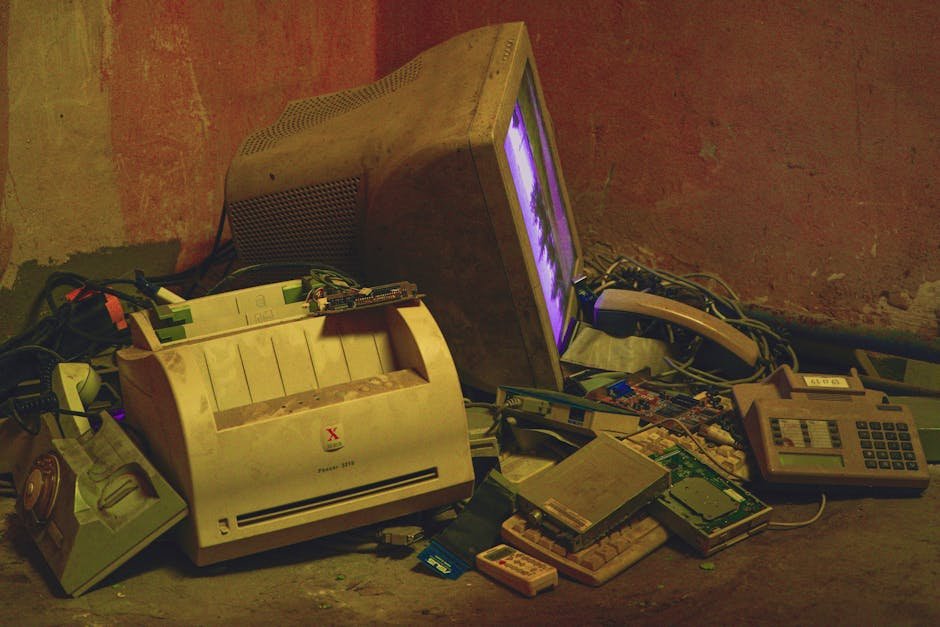

Turning your old electronics for money is not just a smart financial move; it is a critical contribution to the circular economy within Australia. As technology cycles shorten, households and businesses accumulate vast quantities of obsolete hardware, from legacy servers to outdated smartphones. Understanding the value hidden within these devices requires a shift in perspective: you are not disposing of trash, but harvesting high-value commodities including gold, copper, silver, and palladium. Whether you are looking to declutter your home office or manage industrial e-waste, mastering the process of extracting value from old electronics for money requires knowledge of market rates, material composition, and the right disposal channels. For those interested in scaling this into a side hustle or business, learning How To Make Money Start An Online Business can provide the framework needed to market your scrap recovery services effectively. By treating e-waste as a resource, you align yourself with the growing demand for sustainable material recovery.
Understanding the Value of E-Waste Components
The internal architecture of modern electronics is a goldmine of precious and base metals. A standard printed circuit board (PCB) contains significantly higher concentrations of gold and copper than raw ore mined from the earth. When you decide to trade in old electronics for money, you are essentially selling these concentrated metallic assets. The process begins with identification. High-grade boards, often found in telecommunications equipment and computer motherboards, command the highest prices due to their gold-plated pins and integrated circuits. Conversely, lower-grade items like power supplies or plastic-heavy casings yield less profit but are essential for volume-based recycling. To maximize your returns, you must learn to categorize your hardware. Start by separating the ‘high-yield’ items—such as RAM sticks, CPUs, and gold-finger cards—from the ‘low-yield’ bulk items like steel chassis and wiring. This segregation allows you to negotiate better rates with recyclers who prioritize clean, sorted streams. For a deep dive into the broader landscape of material recovery, consult our resource on Old Scrap A Comprehensive Guide For Sellers And Recyclers. Remember that market fluctuations in the London Metal Exchange (LME) directly impact the payout you receive at local yards. Keeping an eye on these trends is a mark of a professional scrap trader.
Strategic Sorting and Preparation for Maximum Payouts
Preparation is the difference between a minor payout and a significant return on your e-waste. Many sellers make the mistake of handing over entire units without stripping them, which forces the recycler to do the labor, thereby reducing your margin. To get the most out of your old electronics for money, you must dismantle devices to their core components. Remove batteries—which are hazardous and often treated separately—and isolate the copper-heavy cables. In Australia, copper wire is consistently one of the most profitable scrap materials. By stripping the plastic insulation from heavy-gauge cables, you can sell the bright and shiny copper at a significant premium. Furthermore, when dealing with larger appliances, refer to our guide on Scrap Fridge Freezer Collection Near Me How To Get Rid Of Old Appliances And Earn Money to understand the specific logistical requirements for bulky items that contain refrigerants or hazardous components. Always ensure that hard drives are wiped or physically destroyed to protect your data privacy before the scrap process begins. Using a drill or a heavy-duty shredder for data-bearing components is standard practice for security-conscious sellers. Once you have sorted your inventory into distinct piles—circuit boards, copper wire, aluminum heat sinks, and steel frames—you are ready to approach a buyer with a professional presentation that signals you are an experienced operator.
Navigating the Australian Scrap Market
The Australian scrap landscape is diverse, ranging from small local yards to large-scale industrial processors. Finding the right partner is essential. You want a buyer who provides transparent weighing, fair pricing based on current market data, and, most importantly, environmentally compliant recycling practices. If you are looking for reliable partners, explore the offerings at Scraptrade.com.au to connect with a network of verified industry participants. When evaluating potential buyers, ask about their ‘out-turn’ percentages and how they handle hazardous waste like CRT monitors or mercury-containing lamps. A reputable buyer will be happy to explain their downstream processes. For those dealing with heavy metal components beyond simple electronics, identifying Old Iron Buyers Near Me: Trusted Buyers, Pricing & Process is a vital step in ensuring you receive fair market value for the steel and iron components often found in server racks and computer towers. Avoid buyers who offer ‘flat rates’ per kilogram for mixed e-waste, as this almost always undervalues the precious metal content of your boards. Instead, look for buyers who offer tiered pricing based on the grade of the circuit board. Establishing a long-term relationship with a single yard can also lead to ‘loyalty pricing,’ where you receive better rates as your volume increases. Always verify that your chosen recycler is licensed by the relevant state environmental protection authority, as this ensures your waste is not being illegally dumped, which could create liability for you as the generator of the waste.
The Economics of Refurbishment vs. Recycling
Before you commit to shredding or scrapping an item, perform a quick market analysis to determine if it holds more value as a functional unit. Many older electronics, particularly vintage audio equipment, retro gaming consoles, or specific enterprise-grade networking gear, have a secondary market value that far exceeds their scrap metal worth. Researching platforms like eBay or specialized enthusiast forums can reveal if your ‘old junk’ is actually a high-demand collector’s item. If the device is beyond repair, the scrap value remains your safety net. However, the ‘refurbish-first’ approach is a cornerstone of professional e-waste management. By selling functional components, you can often double or triple your profit compared to the raw metal value. This hybrid strategy—scrapping the broken, selling the functional—is how successful traders optimize their revenue streams. Documenting your inventory and keeping a spreadsheet of what you have sold versus what you have scrapped will help you identify the most profitable categories over time. This analytical approach transforms a simple cleanup project into a data-driven business model. As you scale, consider the logistics of storage. Electronics are sensitive to moisture and dust, so keeping your inventory in a climate-controlled environment will prevent corrosion on contact points, ensuring the highest possible grade when you finally take them to the yard.
Logistics and Safety in E-Waste Handling
Handling old electronics involves inherent risks that must be managed. Lithium-ion batteries, in particular, are a significant fire hazard if punctured or crushed. Always store batteries in a non-conductive container and separate them from other metals. When transporting large volumes of scrap, ensure your vehicle is rated for the weight; electronic components can be surprisingly heavy due to the density of the steel and copper. Use heavy-duty plastic bins for storage and transport to prevent leakage of any residual chemicals or oils. Safety protocols should also extend to your personal protective equipment. Wear gloves when dismantling devices to protect against sharp edges on metal casings and potential exposure to lead solder. If you are processing large quantities, a dust mask or respirator is recommended, especially when dealing with older equipment that may contain dust contaminated with flame retardants or heavy metals. By maintaining a clean and safe workspace, you not only protect yourself but also increase the efficiency of your operations. Professionalism in how you present your scrap will influence how buyers perceive you. A trader who arrives with neatly sorted, clean, and well-labeled bins will always be treated with more respect—and offered better prices—than one who arrives with a disorganized pile of mixed trash. This attention to detail is what separates the hobbyist from the serious scrap trader.
Future Trends in Electronic Recycling
The global shift toward ‘Right to Repair’ and stricter environmental regulations is changing the e-waste industry. We are seeing a move toward more sophisticated automated sorting technologies, which means that the quality of your scrap is becoming even more critical. As recyclers adopt X-ray fluorescence (XRF) technology to scan metals instantly, the days of guessing the gold content of a board are numbered. This transparency is good for the honest seller. Furthermore, the increasing focus on the ‘urban mining’ of rare earth elements—such as neodymium and dysprosium found in hard drive magnets—is opening up new revenue streams for those who know how to harvest them. Staying informed about these technological shifts will keep you ahead of the curve. Follow industry news regarding metal market trends and environmental policy changes in Australia. By positioning yourself as an informed participant in the recycling ecosystem, you ensure that you are always getting the maximum value for your old electronics for money. The industry is moving toward a model where every component is tracked and repurposed, reducing the need for virgin mining. Your role as a collector and processor is a vital link in this chain. Whether you are a small-scale recycler or an aspiring entrepreneur, the opportunities in this sector are expanding, driven by the dual needs of resource scarcity and environmental responsibility. Keep your methods sharp, your sorting precise, and your market knowledge updated, and you will find that the scrap metal industry offers a sustainable and profitable path forward for years to come. Visit Scrap Trade for ongoing updates on market pricing and industry best practices to ensure your business remains competitive and profitable in this evolving landscape.
Frequently Asked Questions
What is the most valuable part of old electronics to recycle?
The most valuable parts are printed circuit boards (PCBs), particularly those from high-end servers or telecommunications equipment, due to their high concentration of gold, silver, and palladium. Copper wiring and heat sinks made of high-grade aluminum are also highly profitable.
How do I safely handle batteries found in old electronics?
Lithium-ion batteries are a major fire risk and must be removed before processing. Store them in a non-conductive, fire-safe container and take them to a dedicated battery recycling facility rather than mixing them with general metal scrap.
Does the brand of the electronic device affect its scrap value?
Generally, no. Scrap value is determined by the weight and the composition of the materials—such as the amount of copper, gold, and steel—rather than the brand name or original retail price of the device.
Should I wipe my data before scrapping electronics?
Yes, absolutely. You must physically destroy hard drives or use professional data-wiping software to ensure your personal or business information cannot be recovered by the recycler or any subsequent parties.