
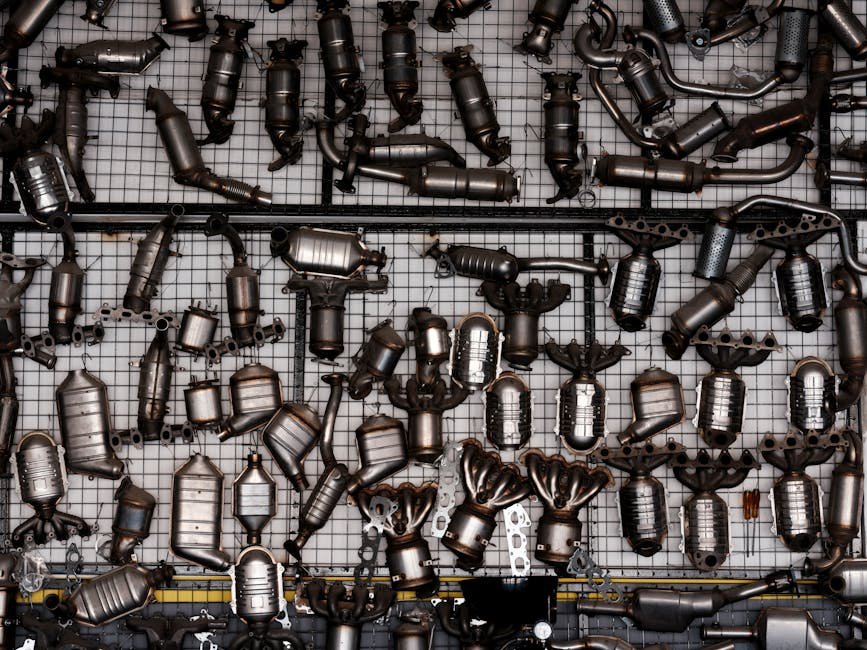

Navigating the market for catalytic converter buyers Latvia requires a sophisticated understanding of both global precious metal commodities and local environmental regulations. As the automotive recycling sector in the Baltic region matures, the demand for high-grade scrap has surged, making it essential for suppliers to identify trusted dealers who utilize transparent assaying processes. Whether you are a small-scale collector or a large automotive dismantling facility, the value of your scrap is inherently tied to the specific concentration of platinum group metals (PGMs) contained within the honeycomb structure. Engaging with a reputable scrap buyer is the first step toward ensuring that your inventory is processed in compliance with European Union environmental standards while maximizing your financial return.
Understanding the Precious Metal Market in Latvia
The valuation of catalytic converters is not arbitrary; it is a complex calculation governed by the daily spot prices of platinum, palladium, and rhodium on the London Metal Exchange. When you approach catalytic converter buyers Latvia, you are essentially selling a chemical bank. The ceramic core, or monolith, acts as a catalyst for reducing harmful emissions, and the concentration of these rare earth metals varies significantly by vehicle make, model, and year of manufacture. Because the market is highly volatile, professional buyers utilize advanced X-ray fluorescence (XRF) technology to determine the exact composition of the material. This technology has revolutionized the industry, moving it away from the ‘guesswork’ pricing models of the past. For those looking to understand the grading mechanics in detail, the Catalytic Converter Scrap Grading Pricing Guide 2026 Edition provides the technical benchmarks required to evaluate your inventory before it hits the scale.
Furthermore, the European market has seen an uptick in regulatory oversight regarding the processing of hazardous automotive waste. Trusted dealers in Latvia are increasingly required to demonstrate that they possess the necessary permits to handle and transport these materials. This regulatory environment filters out unscrupulous operators, protecting the seller from potential legal liabilities. When working with a metal buyer, always verify their credentials and ask for a detailed breakdown of the assay results. This level of transparency is the hallmark of a professional operation and ensures that you are not being short-changed on your high-value units.
How to Identify Trusted Dealers and Avoid Fraud
The prevalence of illicit scrap metal trading has created a necessity for due diligence. When searching for catalytic converter buyers Latvia, prioritize businesses that offer a physical location, a verifiable history of operations, and transparent pricing structures. A legitimate buyer will never pressure you into a quick, low-ball sale without allowing you to inspect the grading process. They will provide a clear receipt that outlines the weight, the specific serial numbers of the converters, and the current market rate applied to each unit. If you are looking for global standards in processing, the Ecotrade Catalytic Converter services represent the gold standard in how international refineries handle bulk scrap, offering a useful comparison for what you should expect from your local Latvian partners.
It is also prudent to compare the service levels of different buyers. Some dealers offer pick-up services for large volumes, while others require delivery to a central processing facility. Evaluate the logistics costs against the potential payout. In some cases, a buyer offering a slightly lower price per unit may actually provide more value by covering the costs of hazardous materials transport and insurance. Always ask for a copy of their environmental compliance certification. In the context of international trade, it is interesting to note how different regions manage these assets; for instance, the dynamics discussed in Catalytic Converter Buyers Costa Rica: Trusted Buyers & Pricing highlight that while the geography changes, the core principles of PGM recovery and professional grading remain universal. If you are operating on a larger scale, you may also find value in the resources available through Scrap Trade Australia, which provides a broader perspective on the global metal recycling supply chain.
The Processing Workflow: From Scrap to PGM Recovery
The journey of a catalytic converter from a vehicle to a refined precious metal bar is a rigorous industrial process. Once a buyer acquires the unit, it is logged and categorized. The casing is removed, and the ceramic monolith is extracted. This material is then milled into a fine powder, which is essential for accurate sampling. A small portion of this powder is analyzed in a laboratory to determine the exact PGM content. This is the most critical stage for the seller, as it represents the ‘truth’ of the converter’s value. Sellers who want to streamline their own operations should look to Sell My Catalytic Converter through platforms that prioritize data-driven valuation, ensuring that the seller is compensated based on the actual metal content rather than a flat-rate estimate.
This process is highly efficient, but it requires significant capital investment in machinery and laboratory equipment. This is why small-scale scrap yards often act as aggregators, collecting units from various sources before selling them in bulk to larger refineries. As a seller, understanding this supply chain helps you position yourself better. By consolidating your scrap, you may be able to negotiate better terms with larger buyers who are looking for consistent, high-volume supply. Always keep detailed records of your inventory, including photos of the serial numbers, as these are often used by manufacturers to track the original PGM loading of the unit. This documentation is your best defense against unfair pricing and ensures that you are treated as a professional partner in the recycling ecosystem.
Optimizing Your Returns: Strategic Tips for Sellers
To maximize your profit, you must treat your scrap inventory as a financial asset. Avoid the common mistake of mixing different grades of converters in the same bin. High-value units should be kept separate from low-value or ‘aftermarket’ converters, which often contain significantly less precious metal. If you are unsure about the value of a specific unit, consult the grading guides regularly. Market trends shift; a model that was highly valuable two years ago might have seen a decrease in PGM loading due to changes in automotive manufacturing standards. Keeping abreast of these shifts is the difference between a profitable year and a stagnant one.
Additionally, timing your sales can have a significant impact on your bottom line. Since the prices of platinum, palladium, and rhodium fluctuate daily, monitor the commodity markets. If you have a large inventory, it may be beneficial to sell in smaller batches during market highs rather than dumping everything at once during a price dip. Establish a relationship with a trusted dealer who is willing to share market insights with you. A good buyer wants you to succeed because your success ensures their steady supply. This symbiotic relationship is the foundation of a healthy recycling market in Latvia. Remember that the goal is not just to clear your warehouse, but to extract the maximum economic value from every gram of material you possess.
Environmental Responsibility and Future Trends
The recycling of catalytic converters is a cornerstone of the circular economy. By recovering PGMs, we reduce the need for destructive open-pit mining, which is both environmentally taxing and energy-intensive. As the automotive industry shifts toward electric vehicles, the composition of catalytic converters is changing, and the recycling industry must adapt. We are seeing a move toward more efficient extraction techniques that minimize chemical waste. Being part of this industry means contributing to a more sustainable future. When you choose to work with certified buyers in Latvia, you are ensuring that the hazardous components of the converter—such as heavy metals and ceramic dust—are handled in a way that protects local water tables and air quality. This commitment to sustainability is increasingly becoming a requirement for doing business, as end-users and manufacturers demand more transparency regarding the origin of their raw materials. By maintaining high standards in your own scrap collection and sales processes, you align yourself with the future of the global automotive industry, ensuring long-term viability in a changing economic landscape.
Frequently Asked Questions
How do I determine the value of my catalytic converter?
The value is determined by the specific precious metal content (platinum, palladium, and rhodium) inside the ceramic honeycomb. You should use a professional grading guide or consult with a trusted dealer who uses XRF analysis to provide an accurate quote based on current market spot prices.
Are all catalytic converters worth the same amount?
No, value varies significantly based on the vehicle’s make, model, and year. Original equipment manufacturer (OEM) converters generally contain higher concentrations of precious metals than aftermarket replacements, leading to higher market valuations.
What documentation do I need to sell scrap in Latvia?
You should provide identification and proof of ownership or business registration if you are selling in bulk. Reputable buyers will also require a receipt or manifest detailing the serial numbers and weight of the units to comply with environmental and anti-theft regulations.
Why is it important to use a trusted dealer?
Using a trusted dealer ensures that you receive fair payment based on accurate assaying of your materials. It also protects you from legal risks, as professional buyers operate under strict environmental and trade permits required by Latvian and European law.