

When searching for reliable scrap metals recycling Coburg services, it is essential to understand the underlying mechanics of the industry. As the Northern suburbs of Melbourne continue to industrialize, the demand for sophisticated metal recovery has never been higher. Whether you are a local tradie, a construction firm, or a household owner, navigating the complexities of metal grades and market pricing is the first step toward turning waste into a profitable asset. If you are currently looking for a facility, our Scrap Metal Recycling Near Me directory provides immediate access to verified local buyers who offer competitive rates based on current LME (London Metal Exchange) trends.
Understanding Metal Grades: Ferrous vs. Non-Ferrous
To succeed in scrap metals recycling Coburg, you must first distinguish between the two primary categories of metal. Ferrous metals contain iron, are magnetic, and are typically found in structural steel, appliances, and automotive frames. Because they are abundant, they often command lower prices per kilogram compared to their non-ferrous counterparts. Non-ferrous metals—such as copper, aluminum, brass, and stainless steel—do not contain iron, are non-magnetic, and are highly valued due to their infinite recyclability without loss of quality. Copper, for instance, is the gold standard of the scrap world. Electricians and plumbers in Coburg should prioritize segregating bright shiny copper wire from insulated cables, as the purity of the metal directly dictates the payout. Aluminum, while lighter, is equally important; clean extrusions command significantly higher prices than mixed or painted aluminum. Developing a keen eye for these grades is a skill that separates the casual recycler from the professional trader. For those interested in the broader industry landscape, understanding the difference between Scrap Trading Vs Recycling Business models is crucial for long-term profitability and operational efficiency.
The Professional Recycling Process: From Collection to Melt
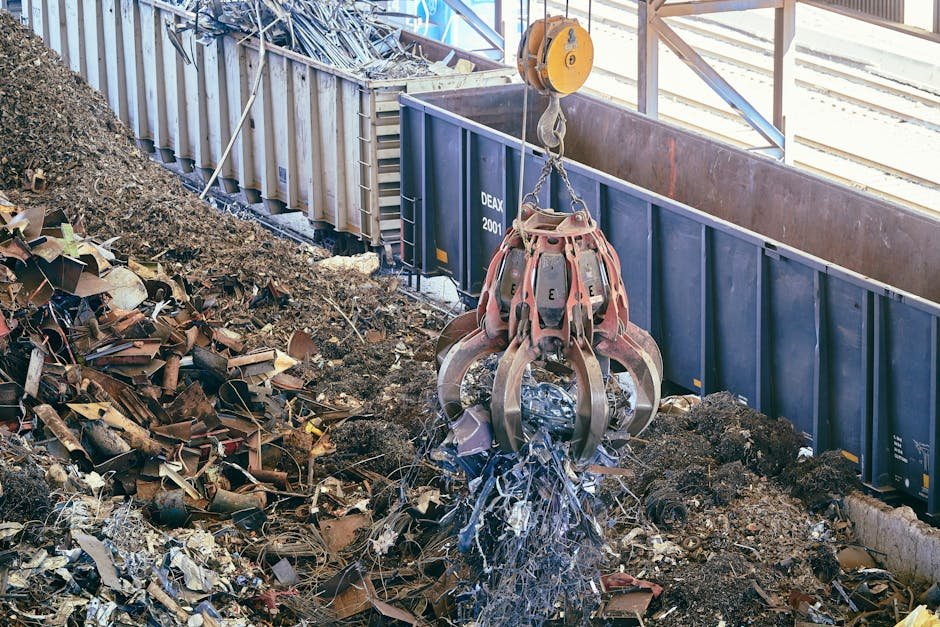
The journey of a scrap metal item is a highly regulated, high-tech operation. Once metal reaches a facility, it undergoes a rigorous sorting process. Advanced technology, including X-ray fluorescence (XRF) analyzers, allows operators to determine the precise chemical composition of scrap, ensuring that contaminants are removed before the smelting process. In the context of scrap metals recycling Coburg, local yards utilize industrial-grade shears, balers, and shredders to minimize the volume of scrap, making it easier to transport to foundries. Shredding is particularly vital for end-of-life vehicles, where the machine separates magnetic steel from non-magnetic plastics, rubber, and glass. This process is not just about volume reduction; it is about purity. A batch of aluminum contaminated with steel is worth a fraction of a pure batch. By keeping your scrap clean—removing plastic, wood, and rubber attachments—you ensure that your materials meet the high standards required for secondary smelting. This efficiency is why many businesses choose to partner with established experts like Allied Scrap Metal Your Guide To Selling And Recycling Scrap Metals to streamline their waste management.
Environmental and Economic Benefits
The environmental case for metal recycling is overwhelming. Recycling a single tonne of aluminum saves approximately 14,000 kilowatt-hours of energy compared to producing new aluminum from bauxite ore. This reduction in energy use translates directly to a lower carbon footprint for the entire manufacturing sector. Beyond energy, recycling reduces the need for destructive mining practices, preserves natural landscapes, and prevents toxic heavy metals from leaching into the soil in landfills. Economically, the industry serves as a vital pillar of the circular economy. By recirculating metals back into the production cycle, we reduce reliance on imported raw materials, creating a more resilient local supply chain. For those operating in neighboring areas, the Comprehensive Guide to Scrap Metals Recycling Tottenham provides additional insights into how regional hubs collaborate to support Victoria’s broader sustainability targets. Whether you are a small contractor or a large manufacturer, your participation in the recycling stream is a direct contribution to a sustainable future.
Optimizing Your Returns: Tips for the Coburg Market
Maximizing profit in the scrap industry requires strategy. First, volume matters. While individual items are valuable, collecting and sorting larger quantities allows you to negotiate better rates with yard managers. Second, timing is everything. Because metal prices fluctuate based on global demand, keep an eye on market trends before offloading large hauls. Third, invest in basic sorting equipment. A simple magnet for identifying ferrous metals and a set of wire strippers for copper cabling will pay for themselves within a few visits. Always ensure that your scrap is free of hazardous materials, such as gas bottles or sealed containers, which can pose significant safety risks and lead to rejection by the yard. For professional advice on how to structure your collection, visit Scrap Trade for industry-leading resources. Furthermore, for those looking for comprehensive logistics solutions, Scrap Trade Australia offers tools to help you manage your scrap inventory effectively. By treating your scrap as a refined commodity rather than waste, you transform a disposal problem into a consistent revenue stream.
Case Example: Industrial Site Cleanup
Consider a recent project involving a large warehouse decommissioning in the Coburg area. The site manager initially planned to send all metal waste to a general landfill. By intervening and implementing a basic on-site segregation strategy, they separated copper piping, aluminum window frames, and structural steel beams. The result was a significant revenue windfall that covered the cost of the entire cleanup project, while simultaneously diverting over 20 tonnes of material from the landfill. This is the power of informed recycling. By understanding the value of your scrap, you not only save on disposal fees but also generate capital that can be reinvested into your business. This level of operational intelligence is what defines successful industrial waste management in the 21st century.
Regulatory Compliance and Safety Standards
Safety is the non-negotiable foundation of any scrap operation. In Victoria, strict environmental regulations govern how scrap yards manage runoff, dust, and noise. As a seller, you also have a responsibility to ensure that the scrap you are delivering is safe. This means no radioactive materials, no explosive components, and no hazardous chemicals. Reputable yards in Coburg will provide clear documentation for your transactions, which is essential for your own business records and tax reporting. Always prioritize facilities that are fully licensed and follow EPA guidelines. By adhering to these standards, you protect the environment, your workers, and the integrity of the recycling supply chain. The industry is moving toward greater transparency and digital tracking, ensuring that every tonne of metal is accounted for and processed with maximum efficiency.
The Future of Metal Recovery
The future of the industry lies in advanced sorting technologies and the integration of AI-driven logistics. As we move toward a more circular economy, the ability to trace the origin and purity of recycled metals will become a competitive advantage for manufacturers. For those involved in scrap metals recycling Coburg, staying informed about these technological shifts is key. Future developments in robotic sorting and automated grading will likely make the process even more efficient, reducing the margin of error and increasing the overall recovery rate of valuable alloys. As a participant in this industry, your commitment to proper sorting and responsible disposal is a vital link in a global chain that is actively decarbonizing industrial production. By continuing to engage with professional recycling networks, you ensure that your business remains at the forefront of this essential economic and environmental transition.
Frequently Asked Questions
What is the most valuable metal to recycle?
Copper is generally the most valuable non-ferrous metal due to its high demand in electrical and plumbing applications. Clean, bright copper wire typically commands the highest market price per kilogram.
How do I know if my scrap metal is ferrous or non-ferrous?
The easiest way is to use a magnet. If the magnet sticks to the metal, it is ferrous (contains iron, like steel or iron); if it does not stick, it is non-ferrous (like copper, aluminum, or brass).
Do I need to clean my scrap before taking it to a yard?
Yes, cleaning your scrap by removing non-metal attachments like plastic, wood, or rubber significantly increases its value. Contaminated scrap is often downgraded, meaning you will receive a lower price for your load.
Why do scrap metal prices change so often?
Scrap metal prices are tied to global commodity markets and the London Metal Exchange. Factors such as global supply, manufacturing demand, and currency fluctuations cause these prices to change daily.