
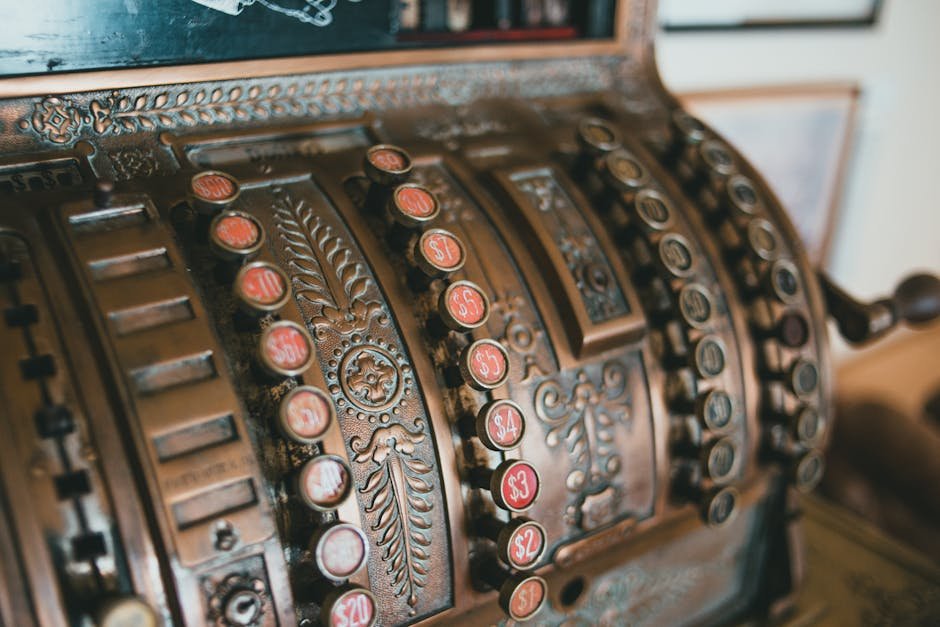

Understanding the market for cash for scrap brass is essential for anyone involved in plumbing, demolition, or industrial manufacturing. Brass is a highly sought-after non-ferrous metal due to its durability, conductivity, and infinite recyclability. Whether you are a trade professional clearing out a job site or a homeowner with a pile of old fittings, knowing how to identify and grade your material is the difference between a minor payout and a significant profit. As the Australian scrap metal market fluctuates based on global demand, staying informed about the current brass price per kg is the first step toward optimizing your revenue.
Understanding Brass Grades and Market Value
Not all brass is created equal. The value of your scrap depends entirely on the chemical composition of the alloy, which is primarily a mix of copper and zinc. In the Australian recycling industry, scrap yards categorize brass into several distinct grades. The most common is ‘Yellow Brass,’ which is the standard grade for most household and industrial fittings. This grade typically includes items like brass taps, valves, and various plumbing components that are free from significant amounts of iron, lead, or solder. If you are looking to secure the best cash for scrap brass, you must ensure your material is clean. Contamination is the primary reason for downgraded pricing. For example, if your brass pipe is still attached to steel brackets or plastic connectors, the recycler will classify it as ‘dirty brass,’ which carries a lower price per kilogram. To maximize your returns, consider using a B2b Scrap Trading Platform to compare real-time market rates and ensure you are getting a fair valuation for your specific grade.
The Logistics of Scrap Brass Recycling
The recycling process for brass is a sophisticated industrial operation designed to preserve the metal’s properties for future use. Once you drop off your scrap, it is weighed and inspected for contaminants. If you have large quantities, you might benefit from professional removal services; you can Pick Up Scrap Metal For Cash Near Me by coordinating with local scrap metal merchants who provide skip bins or collection services for commercial clients. After collection, the brass is shredded, cleaned of impurities, and melted down in high-temperature furnaces. The resulting molten metal is cast into ingots or billets, which are then sold back to manufacturers to produce new taps, valves, and industrial hardware. This closed-loop system is highly efficient, requiring significantly less energy than mining and refining virgin copper and zinc. For those dealing with large volumes, learning How To Sell Bulk Brass Scrap Internationally can open up higher-margin markets, though this requires strict adherence to international shipping and quality standards. For local guidance, the resources at Scrap Trade Australia provide excellent insights into navigating the domestic supply chain.
Environmental and Economic Benefits
Recycling brass is a cornerstone of the circular economy. Every tonne of brass recycled saves a massive amount of energy compared to the extraction of raw ores. Because brass does not lose its physical properties during the smelting process, it can be recycled indefinitely. This reduces the carbon footprint associated with mining, transport, and refining. Furthermore, by participating in the scrap trade, you are actively diverting valuable resources from landfills, where they would otherwise corrode and leach chemicals into the soil. For a comprehensive overview of how these factors influence the industry, refer to our Cash for Scrap Metal: Grades, Recycling & Eco Benefits Guide. From an economic perspective, the scrap industry supports thousands of jobs across Australia, from collection drivers to processing plant technicians. When you trade your scrap, you are not just getting cash; you are supporting a vital industrial ecosystem that keeps the Australian economy moving.
Strategies for Maximizing Your Scrap Payout
To consistently get the best rates, you need a strategy. First, keep your brass separate from other metals like copper, aluminium, or stainless steel. Mixed loads are almost always valued at the lowest common denominator. Second, clean your materials. A few minutes spent with a hacksaw or a wrench to remove steel screws, plastic handles, or rubber washers from your brass fittings can increase the value of your load by 10% to 20%. Third, monitor market trends. The brass price per kg is influenced by the LME (London Metal Exchange) copper price. When copper prices are high, brass prices usually follow. Keep an eye on industry reports and try to sell when the market is trending upward. If you are a business, document your scrap generation to identify patterns, allowing you to time your sales for maximum profitability. Consistency is key; build a relationship with a reputable local yard, as they are more likely to offer better rates to regular, reliable suppliers who provide clean, sorted material.
Common Pitfalls to Avoid
Many sellers lose money due to simple mistakes. One of the most common errors is failing to recognize different alloys. For instance, ‘Red Brass’ (which contains more copper) is worth more than ‘Yellow Brass.’ If you mix the two, you will be paid the ‘Yellow’ rate for your entire load. Another pitfall is ignoring the weight of non-metallic attachments. While a few grams of plastic might seem negligible, in a bulk load, it adds up to significant weight deductions. Always be transparent with your scrap yard about what is in your load. If you are unsure about a specific item, ask the yard manager for a sample test. Most professional yards are happy to help you sort your material if you are willing to learn. Finally, avoid holding onto scrap for too long in hopes of a massive price spike. The costs of storage and the risk of oxidation or theft often outweigh the marginal gains of waiting for the perfect market peak. Sell regularly, keep your site clean, and treat your scrap as a legitimate revenue stream.
Industrial Applications and Future Trends
The demand for recycled brass is currently being driven by the construction and renewable energy sectors. As Australia continues to invest in sustainable building practices, the demand for high-quality, recycled brass fittings for energy-efficient plumbing systems is growing. Furthermore, the push for ‘green’ manufacturing means that many companies are now prioritizing the use of recycled content in their supply chains. This shift is creating a premium market for high-grade scrap. Looking forward, we expect to see more integration of blockchain technology in the scrap trade to track the origin and quality of recycled metals. This will likely lead to more transparent pricing and potentially higher premiums for certified, clean scrap. By positioning yourself as a reliable supplier of high-quality brass, you can leverage these future trends to secure long-term contracts with major recycling facilities. Whether you are a small contractor or a large demolition firm, the principles remain the same: sort, clean, and stay informed. The market for cash for scrap brass is robust, and by following these best practices, you can ensure that you are getting the maximum value for every kilogram you process.
Frequently Asked Questions
What is the difference between yellow and red brass?
Yellow brass typically contains a higher percentage of zinc and is the standard for most plumbing fittings. Red brass has a higher copper content, making it more valuable and resistant to corrosion.
How can I tell if my brass is clean?
Clean brass is free of iron, steel, plastic, rubber, and other non-metallic attachments. If you can easily remove these impurities with basic tools, doing so will significantly increase your scrap value.
Does the price of brass change daily?
Yes, brass prices fluctuate based on global commodity markets, particularly the price of copper on the London Metal Exchange. Most scrap yards update their buy prices regularly to reflect these changes.
Is it worth recycling small amounts of brass?
While small amounts may not yield significant cash, it is always worth recycling to prevent environmental waste. For better returns, consider stockpiling your brass until you have a substantial load to justify the transport.