
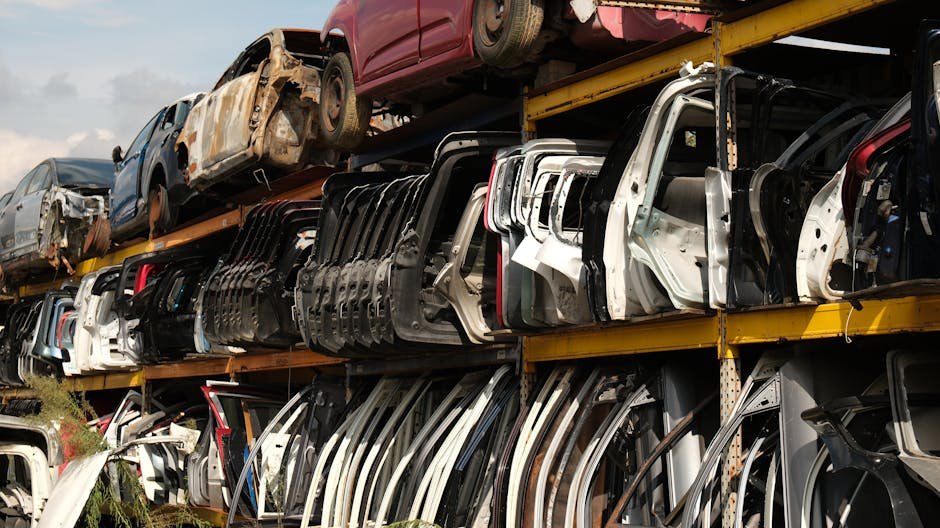

If you are wondering, can i get paid to scrap my car, the answer is a definitive yes, provided you understand the mechanics of the Australian metal recycling market. Every year, thousands of end-of-life vehicles (ELVs) are processed across the country, transforming what many perceive as a rust-bucket liability into a valuable stream of raw materials. When you decide to scrap your vehicle, you are not just clearing space in your driveway; you are entering a sophisticated industrial ecosystem that values the steel, copper, and aluminium hidden within your chassis and engine block. To ensure you are not leaving money on the table, it is vital to understand the valuation process. For those looking for immediate liquidation, our guide on Scrap For Cash Near Me How To Get Paid Fast Without Losing Value provides the necessary steps to secure a fair deal. Whether your vehicle is a write-off from an accident or simply an aged sedan that has reached the end of its mechanical life, the scrap value remains a tangible financial asset.
Understanding the Value of Your Vehicle
The valuation of a scrap car is rarely a flat fee; it is a calculation based on the weight of the metal and the presence of high-value components. The primary component is the ferrous metal, specifically the steel frame, which makes up the bulk of the vehicle’s weight. However, modern vehicles are increasingly incorporating non-ferrous metals like aluminium and copper, which command significantly higher market prices. When you ask, can i get paid to scrap my car, the wreckers are essentially calculating the ‘melt-down’ value of these materials. You should also consider the salvageable auto parts. Engines, transmissions, alternators, and even body panels in good condition can be stripped and sold as second-hand parts before the shell is crushed. This dual-revenue model is why professional car wreckers can often offer more than a standard metal scrapyard. Always research your specific model’s market demand for parts. If you have unique components or rare alloys, you might find that specialized knowledge—such as understanding the Titanium Scrap Price How To Get The Best Value For Your Titanium—can help you identify if your vehicle contains exotic materials that increase its scrap worth. For a deeper dive into how these grades are classified, visit our resource on Get Scrap: Grades, Recycling Process & Environmental to see how industry standards dictate pricing.
The Vehicle Recycling Process Explained
The journey from your driveway to the recycling plant is a highly regulated process designed to minimize environmental impact. Once a car is collected by a wrecker, it enters the depollution stage. This is the most critical step, where fluids such as engine oil, transmission fluid, brake fluid, coolant, and refrigerants are carefully drained and stored for safe disposal or recycling. Neglecting this step would lead to soil and groundwater contamination, which is why professional vehicle recycling is strictly governed by Australian environmental laws. After the car is ‘de-polluted,’ it is stripped of its high-value auto parts. Catalytic converters are removed specifically because they contain precious metals like platinum, palladium, and rhodium. These are often sold separately to specialized refineries. The remaining shell, known as the ‘car carcass,’ is then flattened and sent to a shredder. The shredder breaks the car into fist-sized pieces, and sophisticated magnets and eddy current separators are used to sort the steel from the aluminium, copper, and plastic. This high-tech sorting ensures that almost 95% of a vehicle’s material is recovered. If you are interested in the broader industry, you can visit Scraptrade Australia for more professional insights into the recycling sector.
Maximizing Your Payout: Tips for Sellers
To ensure you get the best price when you ask, can i get paid to scrap my car, you must prepare the vehicle correctly. First, remove any personal belongings; once the car is crushed, retrieval is impossible. Second, check if you have a spare set of tyres or a battery that is still functional, as these can sometimes be sold separately for a higher price than their scrap weight value. Third, be prepared with your proof of ownership. Reputable wreckers will not touch a vehicle without the proper documentation, as this protects them from purchasing stolen goods. If you have a vehicle with significant amounts of copper wiring or high-grade aluminium, it pays to know the market. You can learn more about maximizing returns on specific metals by reading our guide on Sell Copper How To Get The Best Price For Copper Scrap. Remember that weight is the primary driver of price. If you have a heavy SUV, it will almost always fetch more than a small hatchback simply due to the volume of steel involved. However, if the hatchback has a catalytic converter in pristine condition, the difference in scrap value might be negligible. Always get quotes from at least three different wreckers in your local area before committing to a sale.
Environmental Benefits of Vehicle Recycling
Recycling your car is one of the most effective ways to reduce your personal carbon footprint. When you choose to scrap your vehicle, you are preventing the need for virgin ore extraction. Producing steel from recycled scrap requires approximately 75% less energy than producing it from iron ore. Furthermore, the recycling process prevents hazardous chemicals from leaching into the environment. By participating in the circular economy, you are actively supporting the reduction of landfill waste. In Australia, the automotive recycling industry is a leader in sustainable practices, ensuring that millions of tonnes of metal are diverted from landfills annually. When you recycle your car, you are contributing to a system that prioritizes resource efficiency. This is a significant environmental win, as the energy savings from recycling aluminium alone are even more profound than those for steel. Every component that is reused or recycled reduces the demand for new raw materials, thereby lowering greenhouse gas emissions and preserving natural landscapes that would otherwise be mined. Choosing to scrap your car through a certified recycling facility is an act of environmental stewardship that benefits the entire nation.
Navigating the Market: Wreckers vs. Scrapyards
It is important to distinguish between a car wrecker and a general metal scrapyard. A car wrecker specializes in vehicle recycling and is often interested in the resale value of the individual parts. They will pay you more if your car is a popular model with parts that are in high demand. Conversely, a general metal scrapyard is primarily interested in the weight of the metal. They will likely pay you a flat rate per tonne based on the current market price for scrap steel. If your car is a rare or vintage model, do not simply take it to the first place that offers cash; you might be selling a treasure trove of parts for a fraction of their value. Always look for wreckers who are members of industry associations, as they are more likely to adhere to ethical standards and offer transparent pricing. When you call, ask them specifically if they are looking for your car’s make and model. If they are, they may offer a premium price because they know they can turn those parts over quickly. This strategic approach to selling is the secret to getting the most value out of your end-of-life vehicle.
The Future of Vehicle Recycling in Australia
The industry is currently undergoing a transformation driven by the rise of electric vehicles (EVs). As the Australian fleet transitions to EV technology, the recycling process must adapt to handle lithium-ion batteries, which contain valuable materials like cobalt, nickel, and lithium. These batteries require specialized handling and recycling processes that differ significantly from those used for internal combustion engines. As a car owner, this means that in the future, the ‘scrap’ value of your vehicle may be tied more to the health and capacity of its battery pack than the weight of its steel frame. Staying informed about these trends is essential for anyone who owns a vehicle. By understanding the evolving landscape of auto parts and recycling technology, you position yourself to make better decisions when your vehicle finally reaches the end of its road. The integration of advanced tracking and circular economy models will likely make the process of scrapping a car even more efficient and profitable for the consumer in the coming decade. As technology improves, the barrier to entry for high-value recycling will drop, potentially increasing the scrap value of older vehicles across the board.
Conclusion: Taking Action
Deciding to scrap your car is a smart financial and environmental move. By following the steps outlined in this guide, you can ensure that you receive a fair price while contributing to a sustainable future. Remember to document your vehicle, compare quotes from multiple wreckers, and understand the value of the components within your car. Whether you are dealing with a rusted-out ute or a modern sedan that has been written off, there is value to be recovered. Use the resources provided to navigate the market with confidence and ensure you get the best possible outcome. The Australian recycling industry is robust, competitive, and ready to pay for the materials you no longer need. Take the time to do your research, and you will find that the process of scrapping your vehicle is not just a way to clear your property, but a way to recapture capital from an asset that has served its purpose. With the right information, you can turn your end-of-life vehicle into a significant cash return, proving that even at the end, your car has value to offer.
Frequently Asked Questions
What documents do I need to scrap my car in Australia?
You generally need proof of ownership, such as the vehicle registration papers or a transfer of title form. Some wreckers may also require a valid form of photo identification to comply with anti-theft regulations.
Does the condition of the car affect the payout?
Yes, but primarily in terms of salvageable parts. A car with a functional engine and transmission will usually fetch a higher price than a stripped shell because the wrecker can resell those components.
Are there environmental risks if I don’t use a professional wrecker?
Yes, improperly disposing of a car can lead to hazardous fluids like oil, coolant, and battery acid leaking into the soil and water supply. Professional wreckers are equipped to safely drain and dispose of these toxins.
How is the scrap price of a car determined?
The price is determined by the total weight of the vehicle, the current market rates for steel and other metals, and the value of any high-demand spare parts that can be resold.