
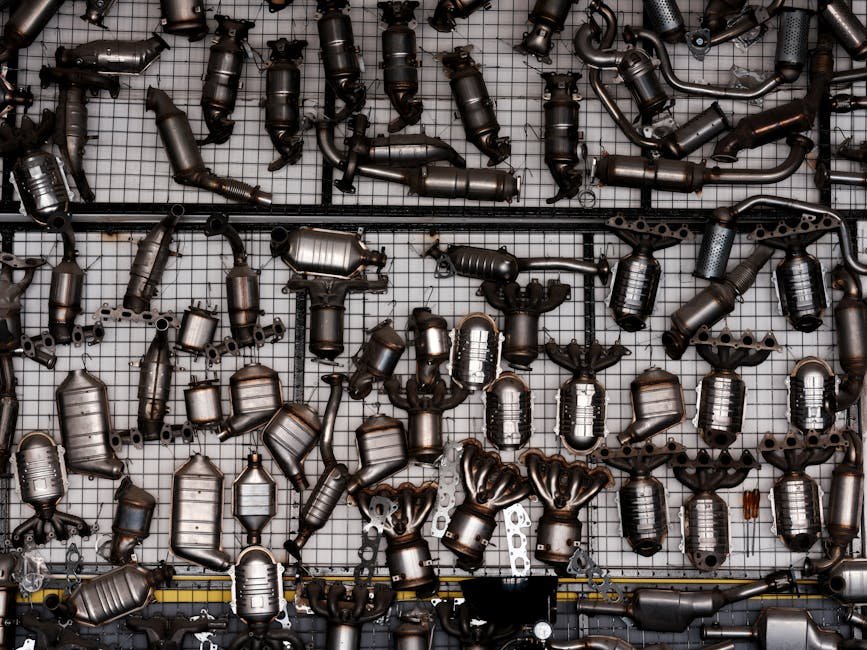

When navigating the complexities of catalytics converter recycling North Sydney, it is essential to understand that you are not merely disposing of automotive waste; you are participating in a high-stakes global commodities market. The value of your converter is dictated by the precise concentration of platinum group metals (PGMs) contained within its ceramic honeycomb structure. For those operating within the Greater Sydney region, knowing how to accurately assess, transport, and sell these units is the difference between a nominal scrap payment and a true market-value return. This guide serves as your authoritative resource for everything from legal compliance in NSW to identifying the specific serial codes that drive valuation.
The Economics of Catalytic Converter Recycling
The global demand for PGMs is the primary engine driving the scrap industry in New South Wales. Automotive manufacturers require these metals for their unique ability to catalyze toxic gases into less harmful emissions. As emission standards tighten across Australia, the pressure on supply chains has pushed the value of recycled rhodium and palladium to historic highs. When you engage in catalytics converter recycling North Sydney, you are essentially acting as a primary supplier to the secondary metal market. Unlike standard scrap, which is priced by weight, catalytic converters are priced by the chemical assay of the precious metals trapped inside. To maximize your earnings, you must understand that the housing of the converter—often stainless steel—is secondary to the internal catalyst material. Sellers who fail to understand the difference between ‘bead’ converters and ‘foil’ converters often leave significant capital on the table. We recommend consulting with professional metal traders at Scrap Trade to ensure your inventory is graded correctly based on current London Metal Exchange (LME) spot prices.
Legal Requirements and Compliance in NSW
Operating within the regulatory framework of New South Wales is mandatory for any individual or business involved in automotive recycling. The NSW government has implemented strict measures to combat illegal trade, particularly regarding the theft of catalytic converters. To stay compliant, all sellers must maintain accurate records of origin, including VIN numbers or proof of purchase for the vehicles from which the converters were sourced. Engaging in catalytics converter recycling North Sydney requires that you only transact with licensed facilities that adhere to the Protection of the Environment Operations Act. Unauthorized or ‘backyard’ recycling operations pose significant legal risks, including the forfeiture of assets and heavy fines. Always verify that your buyer is registered to handle hazardous automotive waste. For a broader understanding of how to manage your facility’s scrap output, refer to our Comprehensive Guide to Scrap Metal Recycling North Sydney, which outlines the necessary documentation and safety protocols required to operate legally and efficiently in the local area.
Identifying Value: The Serial Number System
The most critical step in the recycling process is identification. Every converter is stamped with a unique serial number or code. This code corresponds to a specific manufacturer’s database that details the exact amount of platinum, palladium, and rhodium contained within that unit. Buyers utilize these codes to cross-reference current market values. If a code is rusted, obscured, or missing, the converter is often downgraded to a ‘generic’ price, which is significantly lower than its potential value. When preparing your units for sale, use a wire brush to clean the surface of the housing until the serial number is legible. Photograph these numbers clearly before transport. This level of preparation demonstrates professionalism and ensures that your buyer can provide an accurate quote. While you are sorting your automotive scrap, you may also find value in other areas of your workshop; for instance, understanding Carbide Recycling How To Recover Sell And Profit can provide an additional revenue stream that complements your catalytic converter collection efforts.
Logistics and Safety in Greater Sydney
Transporting automotive scrap requires adherence to safety and environmental standards. Catalytic converters contain heavy metals and ceramic dust that can be hazardous if inhaled or if the unit is broken open. When moving your scrap to a processing facility, ensure that converters are stored in secure, leak-proof containers. If you are a larger operator, you might be managing multiple types of scrap metal simultaneously. If you are also collecting non-ferrous metals, our article on Aluminum Can Recycling Prices How To Maximize Your Earnings offers strategic advice on how to batch your shipments to reduce transport costs and increase overall profit margins. For those searching for reputable collection points, using a reliable Metal Recycling Near Me search tool will help you identify facilities that offer competitive rates and transparent weighing processes. Always prioritize facilities that utilize X-ray fluorescence (XRF) analysis to determine the exact metal content of your converters on-site. This technology eliminates guesswork and ensures you are paid based on the actual chemical composition of your scrap.
Market Trends and Future Outlook
The transition toward electric vehicles (EVs) is often cited as a threat to the catalytic converter recycling industry, but the reality is more nuanced. While the long-term volume of internal combustion engines will decline, the existing fleet of vehicles on Australian roads will require maintenance and replacement parts for decades to come. Furthermore, the precious metals recovered from today’s converters are essential for the production of hydrogen fuel cell technologies and other green energy applications. By participating in the recycling loop, you are contributing to a circular economy that reduces the need for environmentally destructive mining operations. To stay ahead of the curve, keep track of global PGM market trends through professional scrap metal services in Australia. These platforms often provide real-time updates on market shifts, allowing you to time your sales for maximum profitability. Understanding these macro-economic factors transforms you from a casual recycler into a strategic market participant.
Maximizing Your Returns: Practical Tips
To ensure you are getting the best market rate, follow these actionable tips. First, never sell your converters as ‘mixed scrap’ or ‘bulk steel.’ Always demand a price per unit or per weight based on the specific serial code. Second, keep your converters dry and free of debris; moisture and dirt can skew weight-based valuations and indicate poor storage habits to a buyer. Third, build a relationship with a single, trusted buyer. Consistent volume allows you to negotiate better rates, as buyers prefer reliable suppliers who provide clean, identifiable units. Fourth, monitor the LME prices for platinum and palladium regularly. If prices are in a dip, it may be more profitable to hold your inventory until the market recovers. Finally, maintain a detailed ledger of every sale, including the date, the buyer’s details, the converter codes, and the final price paid. This data is invaluable for tax purposes and for analyzing your own performance as a scrap metal trader. By treating your recycling activities as a business rather than a chore, you can turn a modest scrap pile into a substantial, consistent source of income.
Frequently Asked Questions
How is the value of a catalytic converter determined?
The value is primarily determined by the precious metal content—platinum, palladium, and rhodium—inside the ceramic honeycomb. Buyers use the unit’s serial number to check these concentrations against current market spot prices.
Do I need a license to sell catalytic converters in NSW?
While individual sellers generally do not need a license, you must provide valid identification and proof of ownership or origin for the units. Businesses must comply with the Protection of the Environment Operations Act and maintain strict records.
Why is it important to clean the serial number on a converter?
The serial number is the only way to accurately identify the specific mix and quantity of precious metals inside. If the code is unreadable, buyers often default to a lower ‘generic’ price, costing you significant money.
Should I sell my converters in bulk or individually?
Selling in bulk is often more convenient, but you should always ensure the buyer grades each unit individually by serial number. Never accept a flat rate for a mixed bin, as this almost always results in a lower payout than the true market value.