
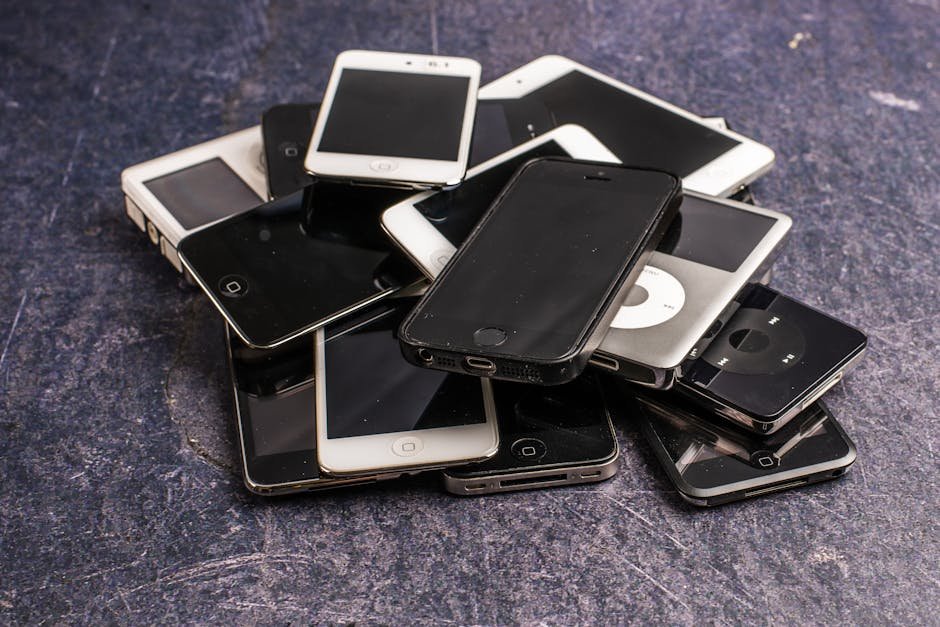

When you decide to sell used electronics, you are not just clearing out clutter; you are participating in a multi-billion dollar circular economy that keeps hazardous materials out of Australian landfills. Whether you are offloading a single smartphone or liquidating a warehouse of legacy IT equipment, understanding the valuation of internal components—such as gold, silver, and copper—is essential. The process of how to sell used electronics effectively requires a blend of technical preparation, market timing, and choosing the right buyer. If you want to streamline this process, you should Sell Used Products On Scrap Trade to connect with vetted buyers who understand the true value of your hardware. In this guide, we will dissect the entire lifecycle of a transaction, from data sanitization to final payment.
The Economics of Electronic Waste and Valuation
The value of your electronics is primarily dictated by their utility as functional devices versus their value as raw commodities. When you sell used electronics, you are essentially selling a concentrated collection of high-value metals. Printed Circuit Boards (PCBs) contain trace amounts of gold, palladium, and copper that hold significant weight in the scrap market. To get the best price, you must first determine if your item is better sold as a refurbished unit or as scrap metal. High-end computing equipment, such as enterprise-grade servers or specialized medical devices, often carries more value in the secondary market. However, damaged or obsolete units are best directed toward a professional scrap dealer. For those looking to understand the broader market, you can Learn How To Sell Used Products Online to identify which platforms offer the highest liquidity for your specific hardware. The Australian market is uniquely regulated, and understanding these regulations ensures you remain compliant while maximizing your return.
Preparation: The Essential Steps Before You Sell
Before you list your items, preparation is the single most important factor in securing a premium valuation. Data security is paramount; you must perform a factory reset and remove all storage media, including hard drives and SD cards. Physically cleaning your devices, including removing dust from vents and wiping down screens, significantly improves the perceived value. When you decide to sell scrap, ensure that all cables and power adapters are included. A complete kit is always worth more than a standalone unit. If you have documentation, such as original receipts or service logs, keep them handy. These documents prove the provenance of the equipment, which is especially important for high-value items. If you are dealing with automotive electronics or specialized components, you might also be interested in How to Sell Used Wheels Fast & Profit, as the principles of cleaning and documentation remain the same across all scrap categories.
Identifying Where to Sell: Marketplaces vs. Direct Buyers
Choosing the right venue determines your profit margin. Public marketplaces like eBay or Facebook Marketplace are excellent for consumer electronics that still have functional value. However, when dealing with bulk lots or non-functional items, you need a different approach. A specialized scrap dealer will often pay based on the weight and metal content of the items, which is a faster and more predictable way to generate cash for scrap. For professional-grade IT assets, utilizing a dedicated trading platform like Scrap Trade Australia provides access to a network of buyers who specialize in electronic waste recycling. This removes the hassle of dealing with individual buyers and ensures that your electronics are handled in an environmentally responsible manner. Always compare at least three quotes before finalizing your sale to ensure you are receiving the current market rate for your specific hardware type.
Documentation and Legal Requirements
In Australia, the sale of scrap metal and electronics is governed by state-specific regulations aimed at preventing the trade of stolen goods. When you engage with a reputable buyer, they will require proof of identity. This typically involves a valid Australian driver’s license or a passport. If you are selling on behalf of a business, you may need an ABN and a tax invoice. Keeping accurate records of your sales is not just a legal requirement; it is a smart business practice for tax purposes. If you are selling large volumes of scrap, some states require electronic records of the transaction, including the buyer’s details and the weight of the material. By maintaining these records, you protect yourself from liability and ensure that your transactions are transparent. Always ask your buyer about their compliance standards to ensure they operate under the relevant environmental and trade laws.
Maximizing Your Profit: Tips for High-Volume Sellers
For those who frequently sell used electronics, efficiency is key to profitability. Sorting your items by category—such as motherboards, power supplies, cables, and chassis—can significantly increase your payout. Buyers prefer pre-sorted material because it reduces their labor costs, and they are often willing to pass those savings on to you. Invest in a digital scale to weigh your items before contact, so you have a baseline expectation for the value. Stay informed about global metal prices; when copper or gold prices spike, the value of your scrap electronics will rise accordingly. Timing your sales to coincide with market peaks is a sophisticated strategy that separates casual sellers from professional traders. Furthermore, building a long-term relationship with a single, reliable buyer can lead to better pricing and faster payment terms over time.
Environmental Responsibility and Sustainable Recycling
Beyond the financial incentives, selling your electronics to a certified recycler is a moral imperative. Electronic waste contains toxic substances like lead, mercury, and cadmium that can leach into the soil if disposed of improperly. By choosing to sell to a professional dealer, you are ensuring that these materials are recovered and repurposed in a controlled environment. This is the cornerstone of the circular economy. Many companies now have ESG (Environmental, Social, and Governance) targets that require them to document the responsible disposal of their legacy IT assets. Providing this documentation to your clients or stakeholders adds value to your brand and demonstrates a commitment to sustainability. Always ask your buyer for a certificate of destruction or a recycling report if you are disposing of sensitive corporate hardware, as this provides peace of mind that your data has been permanently destroyed.
The Future of the Electronics Scrap Market
The demand for recycled metals is projected to grow as the global transition to electric vehicles and renewable energy accelerates. This creates a long-term opportunity for anyone involved in the collection and sale of electronic scrap. As technology becomes more integrated into our daily lives, the volume of end-of-life electronics will only increase. By mastering the art of selling these items now, you are positioning yourself at the forefront of a growing industry. Keep an eye on technological trends; for example, the shift toward modular electronics may change how we value components in the future. Stay adaptable, keep your equipment clean and organized, and continue to leverage professional networks to stay ahead of the curve. The market for used electronics is dynamic, and those who treat it with the seriousness of a professional trade will always find the most success.
Related: Sell Scrap
Frequently Asked Questions
What is the best way to determine the value of my used electronics?
The best way is to check current market rates for precious metal content if selling for scrap, or compare your device’s model against completed listings on major auction sites. For bulk items, contacting a professional scrap dealer for a quote based on weight and material composition is the most accurate method.
Do I need to provide identification when selling scrap electronics?
Yes, in most Australian states, you are legally required to provide valid government-issued identification, such as a driver’s license or passport, to a scrap dealer. This is a mandatory measure to prevent the trade of stolen goods.
How can I ensure my data is safe before I sell my device?
You must perform a full factory reset and, if possible, physically remove the hard drive or SSD. Using professional data wiping software that meets international standards is recommended for corporate or sensitive personal devices.
Does the condition of the electronics affect the price?
If selling for reuse, condition is critical and significantly impacts the price. If selling as scrap, the physical condition matters less than the weight and the specific type of components contained within the device, such as gold-bearing circuit boards.