

Understanding the intricacies of eccles scrap metal processing is essential for anyone looking to navigate the Australian recycling market efficiently. Whether you are an industrial contractor or a residential recycler, the ability to identify, sort, and process metals correctly determines the value you receive and the environmental footprint you leave behind. As the industry evolves, staying informed about Scrap Metal Prices is crucial for maximizing your financial returns on every load. This guide serves as your comprehensive resource for mastering the recycling lifecycle, from initial collection to final smelting.
The Fundamentals of Metal Grading
Metal grading is the backbone of the recycling industry. Without precise classification, the smelting process becomes inefficient and costly. Ferrous metals, which contain iron, are distinguished by their magnetic properties and susceptibility to rust. Common examples include mild steel, carbon steel, and cast iron. Conversely, non-ferrous metals—such as copper, aluminium, brass, and lead—are far more valuable due to their superior corrosion resistance and infinite recyclability. At facilities specializing in eccles scrap metal, technicians use advanced X-ray fluorescence (XRF) analyzers to determine the exact elemental composition of a scrap piece. This technology ensures that even complex alloys are correctly categorized.
For those looking to optimize their sorting, it is important to understand the difference between ‘clean’ and ‘dirty’ scrap. Clean scrap is free of contaminants like plastic, rubber, or non-metallic attachments, while dirty scrap requires labor-intensive processing. By removing non-metallic components before arriving at a Metal Scrap Yard Near Me, you significantly increase the grade of your material and, consequently, your payout. This level of preparation is what separates amateur recyclers from professional traders.
The Recycling Process: From Collection to Smelting
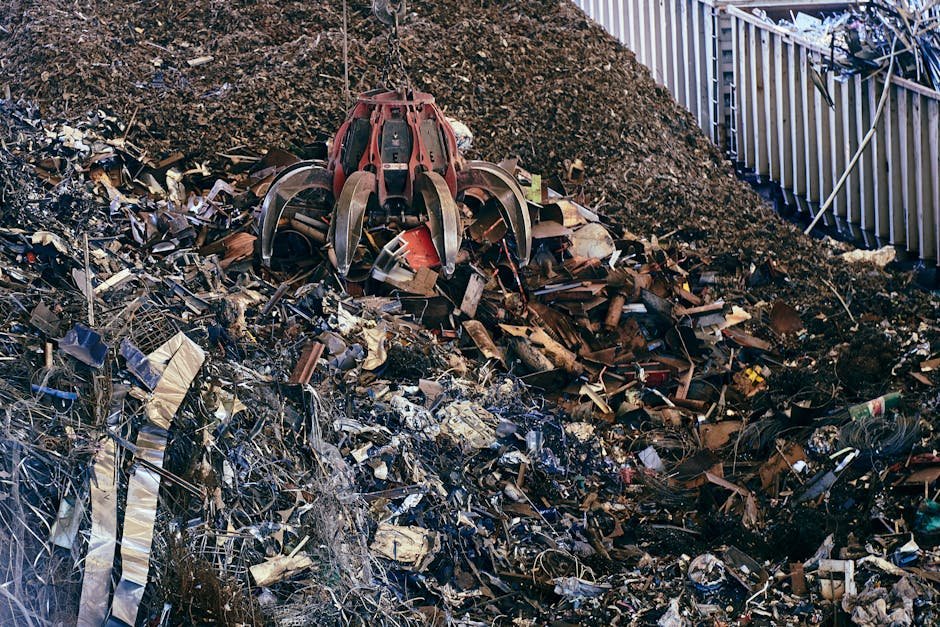
The recycling journey begins with collection and transportation. Whether you are dealing with industrial offcuts or construction debris, the logistics of moving heavy materials are a significant factor in your overall profitability. Once the material arrives at a facility, it undergoes a rigorous inspection. The material is then weighed, often on certified scales, to ensure transparency. Shredding is the next critical phase, where massive industrial machines break down large appliances, vehicles, and structural steel into manageable, uniform pieces. This process makes it easier to separate magnetic metals from non-magnetic ones using high-powered magnets and eddy current separators.
After separation, the metals are cleaned and compacted into dense bales or briquettes. These are then transported to foundries where they are melted down at extreme temperatures. This molten metal is cast into ingots or billets, which are sold back to manufacturers to create new products. This closed-loop system is why the eccles scrap metal industry is a cornerstone of the circular economy. For a deeper dive into the market dynamics, consult our Ultimate Guide to scrap metal prices in Australia to better understand how global supply chains influence local rates.
Environmental and Economic Benefits
The environmental impact of recycling cannot be overstated. Mining virgin ore is an energy-intensive process that leaves behind massive tailing piles and destroys ecosystems. Recycling aluminium, for instance, requires 95% less energy than producing it from bauxite ore. By choosing to recycle, you are directly contributing to a reduction in carbon emissions and preserving natural resources for future generations. Furthermore, the economic benefits extend beyond individual payouts. The recycling sector is a significant employer in Australia, fostering innovation in materials science and logistics.
When you work with established entities like Crg Scrap Metal, you are supporting a network dedicated to high-standard environmental compliance. These facilities are equipped with advanced filtration systems to manage dust, noise, and runoff, ensuring that the recycling process itself does not harm the surrounding community. For more information on sustainable practices, visit Scrap Trade for industry insights, or explore professional solutions at Scrap Trade Australia to see how large-scale operations manage their waste streams efficiently.
Advanced Sorting Techniques for Higher Returns
To maximize your profit, you must move beyond basic magnetic testing. Learn to identify copper grades: ‘Bright and Shiny’ (bare, clean copper wire) commands the highest price, while ‘Burnt’ or ‘Insulated’ copper carries a lower value due to the processing required to remove coatings. Similarly, distinguish between different grades of aluminium, such as ‘Cast’ (engine blocks, lawnmower parts) versus ‘Extrusion’ (window frames, ladder components). Knowing these distinctions allows you to separate your loads effectively at the source, preventing you from receiving the ‘mixed’ rate, which is always lower than the rate for sorted, high-quality material.
Another pro-tip: keep your metals dry. Water weight and rust can downgrade your material significantly. If you are storing scrap outdoors, use tarps or covered bins. This simple habit prevents oxidation and keeps your scrap in ‘clean’ condition, which is highly preferred by buyers. Furthermore, always keep an eye on market trends. Metal prices fluctuate based on global demand, particularly from manufacturing giants in Asia. If you have the storage capacity, holding onto certain metals during a market dip can be a strategic move, provided you have the space and security to do so.
Safety and Compliance in Scrap Handling
Safety is non-negotiable in the scrap industry. Heavy machinery, sharp edges, and hazardous materials are constant risks. Always wear appropriate PPE, including heavy-duty gloves, steel-capped boots, and high-visibility clothing. When handling old electrical equipment, be aware of potentially hazardous components like capacitors or batteries that may contain toxic chemicals. Never attempt to dismantle items that contain pressurized gases or unknown chemicals; leave this to the professionals who have the proper containment equipment.
Compliance with local environmental regulations is also vital. In Australia, scrap yards are subject to strict EPA guidelines regarding soil and water protection. By choosing reputable facilities, you ensure that your materials are being processed in a way that adheres to these regulations. This not only protects the environment but also mitigates your own liability. Always ask for documentation if you are disposing of large quantities of industrial waste; a reputable yard will provide a certificate of destruction or recycling, which is essential for your own audit trails and sustainability reporting.
The Future of the Australian Scrap Industry
The future of the recycling industry is moving toward automation and AI-driven sorting. Robotics are increasingly being used to identify and separate complex materials that humans might miss, leading to higher purity levels in recycled metals. This technological leap is making the circular economy more viable than ever. As Australia continues to tighten its waste management policies, the demand for sophisticated recycling infrastructure will only grow. Those who invest in knowledge and proper sorting techniques today will be well-positioned to benefit from the increasing value of secondary raw materials.
Whether you are a small-scale hobbyist or a large industrial firm, the principles remain the same: quality, consistency, and compliance. By treating your scrap as a valuable resource rather than waste, you contribute to a more sustainable future. Keep tracking market fluctuations, refine your sorting processes, and align yourself with partners who prioritize transparency and environmental stewardship. The eccles scrap metal sector is dynamic, and by mastering these fundamentals, you turn every scrap pile into a profitable, eco-friendly asset.
Frequently Asked Questions
What is the most valuable type of scrap metal?
Non-ferrous metals like copper, brass, and high-grade aluminium are generally the most valuable. Copper, particularly ‘bright and shiny’ wire, consistently commands the highest market prices due to its high conductivity and demand in electrical manufacturing.
How can I get the best price for my scrap metal?
To get the best price, ensure your scrap is clean, sorted by metal type, and free of non-metallic contaminants like plastic or rubber. Removing attachments and keeping materials dry will prevent downgrading and ensure you receive the top-tier ‘clean’ rate.
Why is it important to separate ferrous and non-ferrous metals?
Ferrous metals are iron-based and magnetic, while non-ferrous metals are not. Keeping them separate is critical because they are processed in different ways and have vastly different market values; mixing them will result in the entire load being paid at the lowest common denominator rate.
How does recycling metal benefit the environment?
Recycling metal significantly reduces the need for energy-intensive mining and refining of virgin ores. It saves massive amounts of electricity, reduces greenhouse gas emissions, and prevents the destruction of natural habitats caused by large-scale mining operations.