
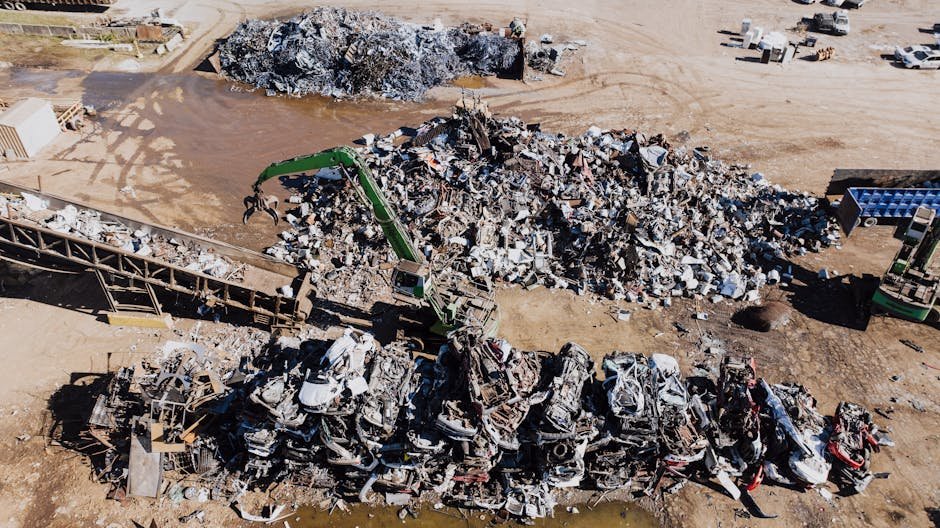

When searching for professional metal recycling auburn, businesses and residents are tapping into one of Sydney’s most robust industrial ecosystems. Auburn serves as a strategic pivot point for the scrap metal trade, connecting the heavy industrial zones of the West with the logistical hubs of the inner city. Understanding the nuances of this market requires more than just knowing where the nearest yard is; it requires a deep dive into metallurgy, market fluctuations, and the rigorous regulatory framework that governs the trade in New South Wales. For those looking for Metal Recycling Near Me, Auburn offers unparalleled access to high-capacity weighbridges and specialized processing equipment that smaller suburban facilities simply cannot match.
The Strategic Importance of Auburn in the Scrap Metal Supply Chain
Auburn’s geographic location has historically positioned it as a cornerstone of Sydney’s manufacturing and construction sectors. Consequently, metal recycling auburn has evolved into a sophisticated industry that handles thousands of tonnes of material annually. This isn’t just about clearing out a garage; it is about the circular economy in action. Large-scale demolition projects in the CBD and Parramatta often route their structural steel and copper piping through Auburn due to the high-volume processing capabilities of local yards. These facilities are equipped with industrial-grade shears, balers, and magnets designed to separate complex alloys with precision.
The local industry is characterized by its adherence to the London Metal Exchange (LME) pricing, which dictates the global value of base metals. However, local factors in Auburn—such as transport costs, the purity of the scrap, and the immediate demand from domestic foundries—also play a significant role in the final price offered to the seller. Professionals in the field recognize that Auburn’s proximity to major arterial roads like the M4 Motorway makes it a logistical dream for transporting heavy loads of ferrous metals, which are often low-value but high-volume.
Categorizing Scrap: Ferrous vs. Non-Ferrous Metals
To maximize your returns, you must understand the distinction between ferrous and non-ferrous metals. This is a fundamental concept taught in our Ultimate Guide to Scrap Metal Recycling in Australia. Ferrous metals, which contain iron, are magnetic and generally fetch a lower price per kilogram. These include structural steel, cast iron, and automotive bodies. Despite the lower price, the sheer volume of ferrous scrap generated in Auburn’s construction zones makes it a lucrative sector for many contractors.
Non-ferrous metals, on the other hand, are the high-value targets of the recycling world. These include copper, brass, aluminum, and stainless steel. Because they do not degrade during the recycling process, they can be repurposed indefinitely. In Auburn, non-ferrous scrap is graded with extreme scrutiny. For instance, copper is categorized into ‘Bright and Shiny’ (the highest grade), ‘Candy’ (heavy copper), and ‘Domestic’ (copper tube with solder or paint). Each grade carries a different price point, and savvy recyclers know that stripping insulation from copper wire can significantly increase the payout. For those dealing with high volumes of these materials, Core Metal Recycling principles suggest that clean, segregated loads always command the highest market premiums.
The NSW Scrap Metal Industry Act 2016: Compliance and Legalities
Operating within the metal recycling auburn sector requires strict adherence to the NSW Scrap Metal Industry Act 2016. This legislation was introduced to combat the trade of stolen goods and to bring transparency to the industry. One of the most critical aspects of this law is the prohibition of cash payments for scrap metal. Every transaction must be conducted via electronic funds transfer (EFT) or a crossed cheque. This creates a paper trail that protects both the buyer and the seller.
Furthermore, all scrap metal dealers in Auburn are required to verify the identity of the seller using government-issued photo ID and must record the registration of the vehicle used to deliver the scrap. While some may find these regulations cumbersome, they have been instrumental in professionalizing the industry. When you engage with professional metal recycling services in Auburn, you are participating in a regulated market that prioritizes security and ethical sourcing. This regulatory environment ensures that legitimate businesses can thrive without being undercut by unscrupulous operators.
Maximizing Returns: Expert Tips for Auburn Recyclers
To get the best value for your scrap, you need to think like a trader. The first rule is segregation. Mixing high-value brass with low-value steel will result in the entire load being graded at the lower price. Invest in a simple magnet; if it sticks, it’s ferrous. If it doesn’t, it’s likely a more valuable non-ferrous metal. In the context of metal recycling auburn, where competition between yards is high, presenting a clean, sorted load gives you significant leverage during price negotiations.
Secondly, timing is everything. Metal prices are volatile and can swing based on international trade relations, mining output in South America, or infrastructure demand in Asia. Monitoring a comprehensive scrap metal trading platform can help you identify price trends. If copper prices are at a six-month low, it may be worth stockpiling your material until the market recovers. Additionally, consider the volume. Many Auburn yards offer better rates for ‘bulk’ deliveries, typically defined as anything over 500kg for non-ferrous or several tonnes for ferrous scrap.
Logistics and Heavy Industrial Scrap Management
For industrial clients in Auburn, the challenge isn’t just the price; it’s the logistics. Managing scrap on a busy construction site or manufacturing floor requires a system. Many Auburn-based recyclers provide bin services, ranging from 2-cubic-meter skip bins to 30-cubic-meter roll-on-roll-off containers. These bins allow for the efficient collection of off-cuts, turnings, and structural waste without disrupting daily operations. When searching for Scrap Metal Recycling Near Me, look for providers who offer scheduled pick-ups and GPS-tracked fleets.
Heavy industrial scrap, such as decommissioned machinery or large-scale HVAC systems, requires specialized equipment. Auburn’s top-tier recyclers utilize Hiab trucks with crane attachments to lift heavy items directly from the site. This reduces the labor cost for the seller and ensures that the material is transported safely and in compliance with NSW transport regulations. The ability to handle ‘oversize’ scrap is a hallmark of the Auburn recycling market, catering to the heavy engineering firms that call the area home.
Environmental Impact and the Circular Economy
The environmental benefits of recycling in Auburn cannot be overstated. Producing aluminum from recycled scrap requires 95% less energy than producing it from virgin bauxite ore. For copper, the energy saving is approximately 85%. By choosing to recycle, Auburn businesses are directly contributing to a reduction in greenhouse gas emissions and the preservation of natural resources. This is the essence of the circular economy: keeping materials in use for as long as possible to extract their maximum value.
Moreover, modern recycling facilities in Auburn employ advanced filtration and runoff management systems to ensure that the recycling process itself does not harm the local environment. Lead-acid batteries, for example, are handled with extreme care to prevent sulfuric acid leaks into the soil. When you choose a reputable Auburn recycler, you are ensuring that hazardous components are neutralized and that every gram of usable metal is recovered and sent back into the manufacturing stream.
The Future of Metal Recycling in Auburn
As we look toward the future, the metal recycling auburn industry is set to become even more technology-driven. We are seeing the introduction of X-ray fluorescence (XRF) analyzers that can determine the exact chemical composition of an alloy in seconds. This allows for even more precise grading and higher payouts for rare or specialized alloys used in the aerospace and medical industries. Furthermore, the rise of electric vehicles (EVs) is creating a new frontier in recycling: lithium-ion batteries and high-purity copper motors.
Auburn is well-positioned to lead this transition. With its existing industrial infrastructure and skilled workforce, the area is likely to become a hub for ‘green steel’ initiatives and advanced battery recovery. For businesses operating in the area, staying informed about these trends is crucial. The transition to a low-carbon economy will only increase the value of recycled metals, making Auburn’s scrap yards more vital than ever to the Australian economy.
Conclusion: Choosing the Right Partner in Auburn
Navigating the world of metal recycling requires a partner who understands the local market, the global price drivers, and the legal requirements of the NSW landscape. Whether you are a plumber with a few bags of copper pipe or a site manager overseeing a multi-million dollar demolition, the principles remain the same: sort your scrap, know your grades, and work with a transparent, licensed dealer. Auburn offers some of the best facilities in the country, and by leveraging the information in this guide, you can ensure that your recycling efforts are both environmentally responsible and financially rewarding. The scrap metal industry is a pillar of Auburn’s identity, and as global demand for sustainable materials grows, its importance will only continue to rise.
Frequently Asked Questions
Can I get paid cash for scrap metal in Auburn?
No, under the NSW Scrap Metal Industry Act 2016, it is illegal for any scrap metal dealer to pay cash. All payments must be made via electronic funds transfer (EFT) or a crossed cheque to ensure transparency and traceability.
What identification do I need to provide at an Auburn scrap yard?
You must provide a valid government-issued photo ID, such as a driver’s license or passport. The dealer is legally required to record your identity and the registration of the vehicle used to deliver the scrap metal.
How are scrap metal prices determined in Auburn?
Prices are primarily based on the London Metal Exchange (LME) daily rates, but they are also influenced by local factors such as the grade of the metal, the cleanliness of the load, and the current domestic demand from Australian foundries.
Which metals are considered non-ferrous and why are they worth more?
Non-ferrous metals include copper, brass, aluminum, and stainless steel. They are worth more because they do not contain iron, are highly resistant to corrosion, and retain their chemical properties through infinite recycling cycles, saving significant energy compared to virgin mining.