
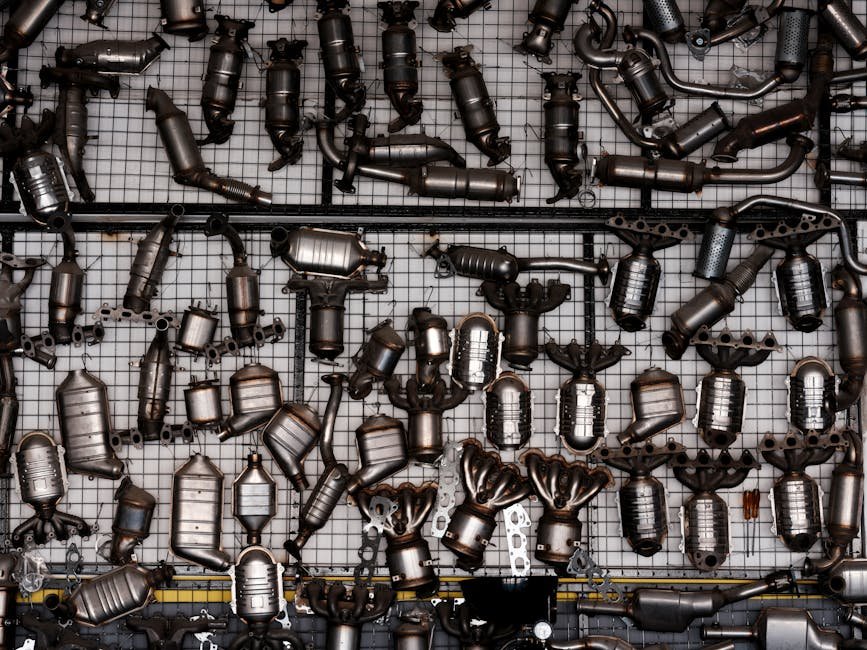

Navigating the complex world of the used catalytic converter price lookup requires more than just a passing interest in scrap metal; it demands an understanding of global precious metal commodities and automotive engineering. When you perform a used catalytic converter price lookup, you are essentially assessing the recovery value of the PGMs (Platinum Group Metals) trapped within the substrate. Because these metals—platinum, palladium, and rhodium—are traded on global exchanges, the value of your unit is never static. To effectively Sell My Catalytic Converter, one must look past the physical weight of the steel casing and focus on the chemical composition of the internal monolith. This guide provides the authoritative framework for evaluating, pricing, and liquidating these units in the Australian market.
Understanding the Mechanics of Precious Metal Valuation
The core of any used catalytic converter price lookup is the PGM content. Catalytic converters function by using a ceramic honeycomb structure coated in a washcoat of precious metals to facilitate chemical reactions that reduce toxic exhaust emissions. The concentration of these metals is dictated by the manufacturer’s specifications for specific engine types and emission standards. For instance, diesel engines often contain higher concentrations of platinum, while petrol engines frequently utilize palladium and rhodium. When market analysts calculate the price per kg, they are accounting for the current spot price of these metals multiplied by the estimated yield per unit. Because the recovery process is highly technical, professional refiners use XRF (X-ray fluorescence) scanners to determine the exact metal load. As a seller, you must realize that the ‘scrap’ value is a reflection of the refined purity of these metals. If you are looking to maximize returns, you should refer to A Comprehensive Guide to Selling Used Catalytic Converter Units to understand the grading process. Market rates for rhodium, in particular, can swing wildly, significantly impacting the total valuation of a single converter. Therefore, relying on generic ‘price per kg’ charts can be misleading; you need a lookup tool that correlates with serial numbers or specific manufacturer codes.
Factors Influencing Current Scrap Prices
Several variables dictate why one converter might be worth $50 while another commands $800. First and foremost is the vehicle’s origin and year. Newer vehicles, particularly those manufactured to meet Euro 5 or Euro 6 emission standards, often contain higher loadings of rhodium, which is currently the most expensive of the three PGMs. Secondly, the physical condition of the unit matters. If the ceramic monolith is broken, crushed, or contaminated with oil or coolant, the recovery efficiency drops, and the buyer will adjust their offer downward. Thirdly, the logistics of the Australian recycling industry play a role; transport costs and refining throughput capacity influence the local market rate. To ensure you are getting a fair deal, you must be aware of the Sell My Catalytic Converter Near Me How To Get The Best Price Safely protocols. These include verifying the buyer’s credentials and ensuring they have access to real-time market data. Always check the metal prices today before finalizing any transaction, as the volatility in the commodities market can render yesterday’s quotes obsolete within hours.
The Role of Serial Numbers in Accurate Valuation
The most precise method for a used catalytic converter price lookup involves the serial number stamped directly onto the unit’s metal housing. Manufacturers track the exact PGM content for every batch of converters produced; this data is the ‘holy grail’ for professional recyclers. When you input a serial number into a professional-grade database, such as the Ecotrade Catalytic Converter catalog, you are accessing the specific metal yield profile for that exact part. This eliminates the guesswork associated with visual estimation or generic weight-based pricing. Sellers who provide clear, readable photos of these serial numbers to their scrap dealers are far more likely to receive accurate, competitive quotes. If a serial number is rusted or illegible, the unit is often relegated to ‘generic’ pricing, which is almost always lower than the value of a verified, high-content unit. This is why proper handling and cleaning of the unit prior to assessment is a critical step in the recycling lifecycle.
Market Trends and the Future of PGM Recycling
The global shift toward electric vehicles (EVs) has created a unique tension in the catalytic converter market. While the long-term demand for internal combustion engines is projected to decline, the immediate demand for PGMs remains robust due to tightening global emission regulations. This creates a ‘scarcity premium’ for high-quality used units. Furthermore, the recycling industry is becoming increasingly sophisticated. Advanced hydrometallurgical processes are allowing refiners to recover a higher percentage of PGMs with less environmental impact. For the individual seller or small-scale trader, this means that the market is becoming more transparent. You can now leverage professional trading platforms that provide real-time updates on metal prices today. Keeping an eye on these trends allows you to time your sales. For example, if rhodium prices are on an upward trajectory, holding onto your stock for a few weeks could result in a significant increase in your total price per kg. However, this requires a disciplined approach to inventory management and a deep understanding of the risks associated with commodity price volatility.
Practical Tips for Maximizing Your Return
To extract the maximum value from your scrap, you must approach the process as a business transaction rather than a simple disposal task. Start by organizing your inventory. Sort your units by manufacturer, model, and year. If possible, group them by serial number. Avoid cutting the pipes too close to the body of the converter; leaving a small amount of pipe can sometimes help in identification, but cutting too much can add unnecessary weight that may be deducted from the final price. Always obtain multiple quotes. The scrap metal market is competitive, and different dealers have different relationships with end-refiners. A dealer with a direct contract with a high-capacity refinery will almost always offer better prices than a middleman who is several steps removed from the final processing stage. Furthermore, be wary of ‘flat rate’ buyers. If someone offers you the same price for every converter regardless of the serial number, they are likely low-balling you on the high-value units to compensate for the low-value ones. Insist on itemized pricing based on the specific content of each unit.
The Importance of Ethical and Legal Compliance
Finally, it is essential to operate within the legal framework of the Australian scrap metal industry. Catalytic converter theft is a significant problem, and reputable dealers are strictly regulated. You will likely be required to provide identification and proof of ownership when selling your units. This is not just a bureaucratic hurdle; it is a vital part of the industry’s effort to curb illegal activities. By documenting your sales and working with licensed, reputable recyclers, you contribute to a cleaner, more sustainable circular economy. The scrap.trade network emphasizes the importance of these ethical standards, ensuring that the precious metals recovered from your units are processed in facilities that adhere to the highest environmental and safety protocols. When you perform a used catalytic converter price lookup, remember that the value you receive is not just a number on a screen; it is the result of a global supply chain that transforms waste into essential industrial resources. By staying informed, verifying your units, and choosing the right partners, you ensure that you are part of the solution rather than the problem in the complex, high-stakes world of precious metal recycling. Invest time in learning the nuances of the market, and your efforts will be rewarded with better margins and a more professional, sustainable operation.
Frequently Asked Questions
How do I find the serial number on my catalytic converter?
The serial number is typically stamped or etched directly onto the metal casing of the converter. You may need to use a wire brush to remove rust or road grime to make the characters legible.
Why does the price per kg vary so much between different converters?
The price is driven by the specific amount of platinum, palladium, and rhodium inside the unit. Different car models have different emission requirements, which dictate the specific metal loading required by the manufacturer.
Can I get an accurate quote without a serial number?
It is very difficult to get an accurate quote without a serial number. Without it, buyers must rely on generic ‘grade’ pricing, which is usually significantly lower than the true market value of the precious metals inside.
Does the condition of the ceramic honeycomb affect the price?
Yes, if the ceramic substrate inside the converter is cracked, broken, or missing, the value is significantly reduced. Refiners require the honeycomb to be intact to efficiently extract the precious metals.