
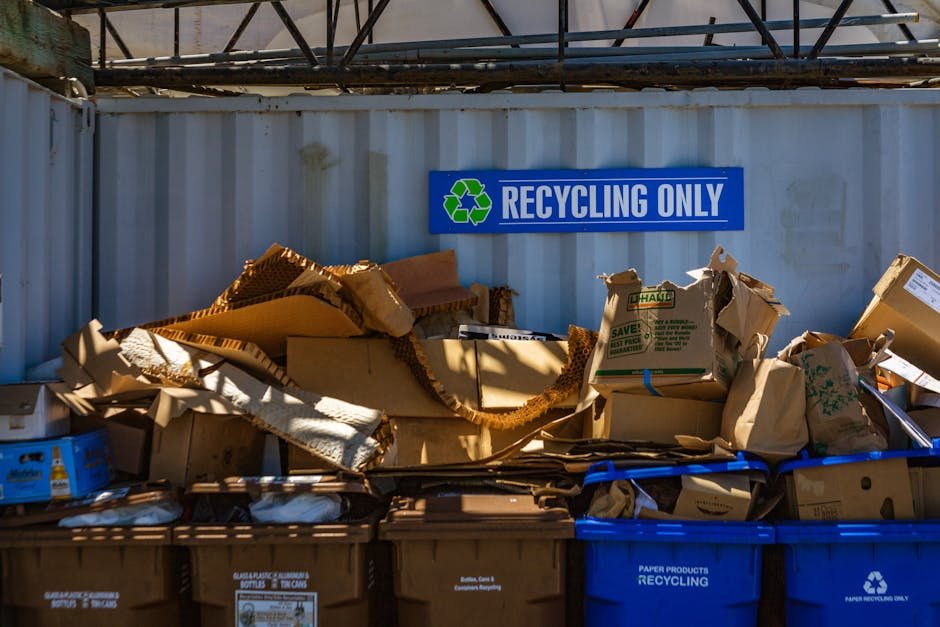

When navigating the complex landscape of the Australian scrap industry, phoenix recyclers stand out as a benchmark for operational efficiency and environmental stewardship. Whether you are a small-scale trade contractor or a large industrial entity, understanding how these facilities manage material flows is essential for maximizing your scrap returns. At the core of the industry, Phoenix Metal Recyclers How Scrap Metal Recycling Supports The Global Circular Economy demonstrates the vital link between local collection and international manufacturing demand. By processing thousands of tonnes of ferrous and non-ferrous metals annually, these facilities prevent valuable resources from entering landfills, effectively closing the loop on industrial production cycles. As the market shifts toward sustainable sourcing, the role of phoenix recyclers becomes increasingly pivotal in maintaining the supply chain stability required by modern manufacturers.
The Anatomy of the Recycling Process
The transformation of scrap metal from discarded debris into high-grade feedstock is a sophisticated engineering feat. As detailed in our Metal Recyclers: The Complete Guide to Recycling Processes, the journey begins with precise identification and sorting. Upon entry to the facility, materials are subjected to rigorous radiological screening and chemical analysis to ensure purity levels meet international standards. High-capacity shredders then reduce bulky items—such as end-of-life vehicles or structural steel—into manageable fragments. Following this, advanced magnetic separators isolate ferrous metals, while eddy current separators are employed to extract non-ferrous materials like copper, aluminum, and brass. This automated sorting is critical for maintaining the high-grade purity that smelters demand. For those looking to understand the broader market, professional scrap trading resources in Australia provide the necessary data to track these commodity price fluctuations. The final stage involves densification, where processed scrap is baled or briquetted to optimize shipping logistics, ensuring that the carbon footprint of transport is minimized relative to the volume of metal moved.
Choosing Between Drop-Off and Pickup Services
Deciding between a drop-off and a pickup service depends primarily on the volume, weight, and frequency of your metal waste generation. For smaller tradespeople or household DIY projects, a direct drop-off at a certified recycling centre is often the most cost-effective solution. This allows for immediate weighing and payment, providing instant cash flow and reducing the administrative burden. Conversely, for large-scale demolition projects or manufacturing facilities, a professional pickup service is non-negotiable. These services include the provision of specialized bins, skip loaders, and flatbed trucks tailored to the specific dimensions of your scrap. Leveraging a managed collection schedule ensures that your site remains compliant with safety regulations, preventing the accumulation of hazardous scrap that could lead to workplace accidents. Industry experts often discuss How Recyclers Find Industrial Scrap Sellers to maintain consistent supply chains, and choosing the right collection partner is the first step in establishing a long-term, mutually beneficial relationship.
Environmental Impact and Circular Economy Integration
The environmental argument for metal recycling is overwhelming. Processing recycled aluminum, for instance, requires approximately 95% less energy than producing primary aluminum from bauxite ore. By diverting scrap from landfills, facilities significantly reduce methane emissions and soil contamination. Furthermore, the circular economy relies on the continuous re-introduction of high-purity alloys into the manufacturing stream. When you engage with reputable phoenix recyclers, you are not merely disposing of waste; you are participating in a global effort to reduce the reliance on destructive mining practices. This transition is particularly important in the Australian context, where the transition to a low-carbon economy is driving demand for recycled copper and rare earth metals used in renewable energy infrastructure. The long-term viability of the planet depends on our ability to treat end-of-life products as high-value assets rather than liabilities, a philosophy that underpins every aspect of modern scrap management.
Managing Old Scrap: Best Practices for Sellers
Dealing with legacy materials requires a nuanced understanding of market grades. As outlined in Old Scrap A Comprehensive Guide For Sellers And Recyclers, the value of your material is heavily dependent on its cleanliness and alloy composition. Contaminants such as plastic coatings, rubber seals, or mixed-metal attachments can significantly downgrade your scrap value. Before heading to a facility, take the time to strip insulation from copper wiring and separate distinct alloys. This simple preparation can lead to a premium price at the scales. Furthermore, maintaining accurate records of your scrap sales helps in tracking your environmental impact metrics, which is increasingly important for businesses aiming to achieve ESG (Environmental, Social, and Governance) compliance. Always verify the credentials of the facility you are dealing with; ensure they operate under strict EPA guidelines and have transparent weighing procedures. By treating your scrap like a commodity, you ensure that you receive the maximum financial return while contributing to the efficiency of the global supply chain. The industry is constantly evolving, with new technologies for alloy identification and sorting hitting the market every year. Staying informed about these advancements will keep you ahead of the curve, ensuring that your scrap management strategy remains profitable and sustainable for years to come. Whether you are a small workshop or a massive industrial site, the principles of high-quality sorting and strategic disposal remain the bedrock of successful scrap trading. By partnering with established industry leaders, you ensure that your materials are handled with the highest level of technical expertise, ultimately supporting the global transition toward a more sustainable and resource-efficient future.
Technological Advancements in Metal Recovery
The modern scrap yard is a high-tech facility. X-ray fluorescence (XRF) analyzers are now standard equipment, allowing operators to determine the exact chemical composition of a piece of metal in seconds. This eliminates guesswork and ensures that high-value alloys are correctly categorized. Furthermore, digital weighing systems integrated with cloud-based reporting platforms provide sellers with real-time data on their scrap output. These advancements have revolutionized the industry, making the process more transparent and efficient than ever before. For businesses, this means better inventory management and more predictable revenue streams. The integration of AI-driven sorting robots is the next frontier, promising to further increase the purity of recovered metals. As these technologies become more accessible, the gap between traditional scrap yards and advanced recycling hubs will continue to close, benefiting everyone in the supply chain.
Economic Benefits of Professional Recycling
Beyond the environmental impact, there is a strong economic imperative for professional recycling. Scrap metal is a globally traded commodity, and its price is influenced by industrial demand in major economies like China, India, and the United States. By selling your scrap to professional recyclers, you are tapping into this global market. You are not just getting rid of clutter; you are liquidating an asset. For many manufacturing businesses, the revenue generated from scrap sales can offset the costs of waste management, effectively turning a cost center into a profit center. This is particularly true for heavy industries where metal waste is a significant byproduct. By optimizing your scrap collection and sorting processes, you can maximize your returns and improve your bottom line. Furthermore, supporting the local recycling industry creates jobs and stimulates regional economies, making it a win-win for both the seller and the community.
Related: Phoenix Metal Recyclers How Scrap Metal Recycling Supports The Global Circular Economy
Frequently Asked Questions
What is the difference between ferrous and non-ferrous scrap?
Ferrous metals contain iron and are typically magnetic, such as steel and iron, while non-ferrous metals do not contain iron and are generally more valuable, including copper, aluminum, brass, and lead.
How should I prepare my scrap metal before a drop-off?
To maximize your return, remove non-metal attachments like plastic, rubber, or wood. Sort your metals into distinct piles based on type to ensure you receive the best possible grade and price.
Do I need a commercial account for a pickup service?
While individuals can often arrange pickups for large quantities, commercial accounts are typically preferred for ongoing services. These accounts provide benefits like scheduled collections, specialized bins, and detailed reporting for tax purposes.
Are there any items that cannot be recycled as scrap metal?
Yes, items containing hazardous materials like asbestos, sealed pressurized tanks, radioactive components, or toxic chemicals are generally prohibited. Always check with the facility regarding their specific acceptance policy for questionable items.