
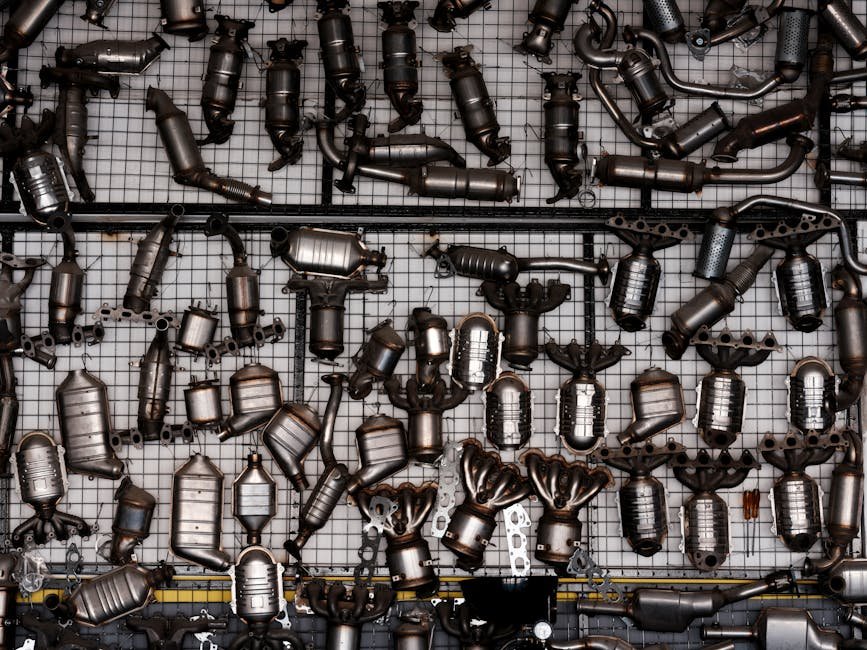

When you set out to value my scrap catalytic converter, you are essentially participating in one of the most sophisticated sectors of the global precious metals market. These components are not merely automotive exhaust parts; they are high-value chemical reactors containing platinum group metals (PGMs) that are increasingly scarce and expensive. To accurately assess the worth of your unit, you must understand that the market is driven by the fluctuating spot prices of palladium, platinum, and rhodium. Unlike standard scrap steel or aluminum, catalytic converters are traded based on the specific concentration of these metals, which can range from a few grams to over 20 grams per unit depending on the engine displacement and emission standards of the vehicle. If you are looking to Sell My Catalytic Converter, you need a deep understanding of the grading process to ensure you are not leaving money on the table.
The Science of Precious Metal Recovery in Catalytic Converters
The core of a catalytic converter is a ceramic honeycomb structure coated with a washcoat containing platinum, palladium, and rhodium. These metals act as catalysts, converting toxic exhaust gases—carbon monoxide, nitrogen oxides, and hydrocarbons—into less harmful substances like nitrogen, carbon dioxide, and water vapor. From a recycling perspective, this ceramic monolith is the primary source of value. The recovery process involves crushing, milling, and sampling the ceramic to determine the exact PGM content. This is why the industry relies heavily on the Catalytic Converter Scrap Grading Pricing Guide 2026 Edition to standardize valuations across the Australian market. Without this structured approach, sellers are often at the mercy of arbitrary pricing models that fail to account for the actual metal content.
Understanding the chemistry helps explain why some converters are worth significantly more than others. Diesel engines often utilize higher concentrations of platinum, while petrol engines frequently rely on palladium and rhodium. Because rhodium prices have historically been the most volatile and expensive of the group, a converter from a high-performance or modern vehicle with a high rhodium loading will command a premium. For those seeking professional assessment, the Ecotrade Catalytic Converter standards represent the gold standard in global recycling transparency. By utilizing these benchmarks, you can better estimate the return on your scrap investment.
Mastering the Grading Process: How to Value My Scrap Catalytic Converter
Grading is the most critical step in the recycling chain. When you attempt to value my scrap catalytic converter, you must look beyond the exterior shell. The serial number stamped on the metal housing is your most valuable asset. This number corresponds to a specific manufacturer’s database that details the exact amount of PGMs used in that specific production run. In the Australian market, major recyclers like Scrap Trade Australia provide digital lookup tools that allow sellers to input these serial numbers to get a near-real-time valuation. This eliminates the guesswork and protects you from predatory pricing.
There are three primary categories of grading: OEM (Original Equipment Manufacturer), Aftermarket, and DPF (Diesel Particulate Filters). OEM units are almost always more valuable because they were manufactured to meet stringent environmental regulations using higher-grade precious metals. Aftermarket converters, while functional for road use, typically contain a fraction of the PGM content found in OEM parts. DPFs are a separate category entirely; they are complex, heavy, and require specialized processing, often containing different metal ratios. When analyzing your inventory, always segregate these types. Mixing them can lead to inaccurate batch weighing and lower overall payouts. For a detailed breakdown of how these categories influence your final profit, consult the Catalytic Converter Sell for Scrap: Complete Guide. This resource provides the necessary context for distinguishing between high-yield and low-yield components.
Market Trends and the 2026 Outlook for PGM Trading
The value of your scrap is inextricably linked to the global automotive industry’s transition toward electric vehicles (EVs). While the demand for internal combustion engines is plateauing in some regions, the demand for PGMs remains robust due to industrial applications and the ongoing requirement for replacement parts for the millions of traditional vehicles still on the road. Furthermore, the supply of PGMs is constrained by geopolitical factors and the high cost of mining. This scarcity drives up the value of recycled metals, making the secondary market—your scrap pile—a vital component of the circular economy. In 2026, we are seeing a shift toward more transparent, data-driven pricing models. Sellers are no longer accepting flat-rate payouts; they are demanding transparency regarding the assay results of their batches. This is a positive trend for the industry, as it rewards those who properly curate and identify their scrap.
Another factor influencing value is the ‘cleanliness’ of the scrap. A converter that is heavily rusted, cut improperly, or contaminated with excessive debris will be penalized during the grading process. To maximize the value of your scrap, ensure the pipes are cut cleanly at the ends of the housing, and remove any excessive rust or thermal insulation. These small operational steps can increase the weight-to-value ratio of your shipments, ensuring you receive the maximum possible return from your scrap metal recycling partner.
Environmental Benefits and the Circular Economy
The environmental case for recycling catalytic converters is compelling. Mining for platinum, palladium, and rhodium is an environmentally taxing process, involving massive open-pit operations and significant energy consumption. By recycling these metals from end-of-life vehicles, we reduce the need for virgin mining by up to 90%. This ‘urban mining’ is a cornerstone of sustainable manufacturing. When you properly recycle your converter, you are preventing toxic heavy metals from entering landfills and ensuring that these critical materials remain in the supply chain for future use in everything from medical devices to hydrogen fuel cells.
This circular approach is not just an ethical choice; it is a financial one. As the world moves toward more stringent emission standards, the demand for these metals in new technologies will continue to grow. By participating in this market, you are supporting a sustainable infrastructure that benefits the planet and your bottom line. It is essential to choose a recycling partner that adheres to strict environmental regulations and employs ethical processing methods. This ensures that the recovery process is as clean as possible and that you are contributing to a responsible industrial ecosystem.
Operational Best Practices for Scrap Collectors and Workshops
If you are a workshop owner or a scrap collector, your approach to inventory management will dictate your success. First, implement a rigorous cataloging system. Do not wait until you have a large pile to start identifying your units. Use a digital scanner or a mobile app to record serial numbers as soon as a converter is removed from a vehicle. This allows you to track price fluctuations over time and sell when the market is at its peak. Second, consider the logistics of shipping. Precious metal recyclers often have minimum weight requirements or volume discounts. By consolidating your shipments with other local businesses, you can reduce transport costs and potentially negotiate better rates based on the volume of your load.
Finally, stay informed. The PGM market is highly reactive to news from the automotive sector, mining strikes, and changes in environmental policy. Subscribing to industry newsletters and utilizing real-time pricing tools will give you a competitive edge. When you are ready to value my scrap catalytic converter inventory, having a clear, organized list of your stock will make the process seamless and significantly more profitable. Remember that the goal is to treat your scrap not as waste, but as a high-value commodity that requires careful handling and strategic selling.
Conclusion: Turning Scrap into Strategic Assets
The process of valuing and selling scrap catalytic converters is a blend of market analysis, technical knowledge, and operational discipline. By understanding the grading systems, monitoring global commodity trends, and choosing the right partners, you can transform what was once considered ‘shop clutter’ into a significant revenue stream. The transition toward a circular economy ensures that the value of these components will remain high, provided you take the time to learn the nuances of the trade. Whether you are an individual with a single unit or a business managing hundreds of converters, the principles remain the same: identify, grade, and sell with transparency. Use the resources provided in our guides to stay ahead of the curve and maximize the value of every single converter that passes through your hands.
Frequently Asked Questions
How do I find the serial number on my catalytic converter?
The serial number is typically stamped directly onto the metal housing of the converter. You may need to use a wire brush to remove road grime or rust to make the characters legible.
Does the size of the catalytic converter determine its value?
While size is a factor, it is not the primary indicator of value. The concentration of precious metals inside the ceramic honeycomb, which is determined by the specific serial number and vehicle application, is the most important factor.
Why are aftermarket catalytic converters worth less than OEM units?
Aftermarket converters are manufactured to be cheaper and often contain significantly lower amounts of platinum, palladium, and rhodium. OEM units are built to strict manufacturer specifications that require higher precious metal loadings.
How often do scrap catalytic converter prices change?
Prices fluctuate daily based on the live spot prices of platinum, palladium, and rhodium on the global commodities market. It is recommended to check current market rates immediately before finalizing any sale.