
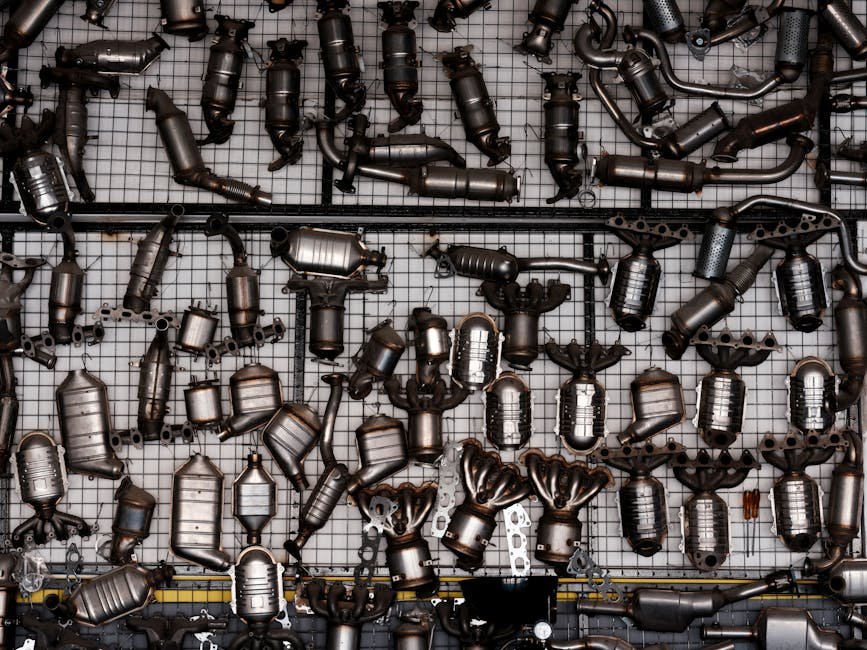

Navigating the landscape for catalytic converter buyers Iceland requires a sophisticated understanding of both global commodity markets and local environmental compliance. Because Iceland lacks the large-scale, heavy-duty industrial smelting facilities found in mainland Europe or Australia, the market for precious metal recovery is almost entirely export-driven. This means that if you are looking for catalytic converter buyers Iceland, you are effectively entering a global supply chain where the value of your scrap is determined by the specific concentrations of platinum, palladium, and rhodium within the ceramic honeycomb. Understanding this process is critical for anyone looking to maximize their returns, whether you are a local mechanic, a vehicle dismantler, or an industrial recycler. To succeed, you must move beyond simple weight-based pricing and embrace the precision of laboratory-grade assaying. When you decide to Sell My Catalytic Converter, you are not just selling scrap metal; you are selling a chemical asset. The most successful sellers treat their inventory with the same rigor as a commodities trader, ensuring that every unit is properly identified and categorized.
The Logistics of Exporting Scrap from Iceland
The geographic isolation of Iceland presents unique logistical hurdles for scrap metal trading. Unlike the integrated rail and road networks of the European Union, Icelandic exporters must rely heavily on maritime freight. This necessity makes the selection of catalytic converter buyers Iceland a strategic decision that hinges on their ability to handle customs, hazardous waste declarations, and international shipping logistics. Many local scrap yards act as consolidators, aggregating smaller batches into shipping containers that meet the volume requirements for international refineries. When dealing with these intermediaries, it is vital to understand the chain of custody. You should always ask for documentation proving that your scrap is being processed at a facility that adheres to international environmental standards, such as ISO 14001. For those looking for a broader perspective on how these markets function, it is helpful to compare local practices with those found at Australian metal recycling hubs, where high-volume processing and advanced technology have set a global benchmark for efficiency. The cost of shipping often dictates the minimum viable quantity for a profitable shipment, meaning that individual sellers are almost always better off partnering with established consolidators rather than attempting to export directly.
Understanding Pricing and Assay-Based Valuation
In the modern scrap market, the era of ‘eyeballing’ a converter’s value is over. Professional buyers now utilize X-ray fluorescence (XRF) technology to determine the exact metal content of the substrate. If you are serious about your returns, you must consult the Catalytic Converter Scrap Grading Pricing Guide 2026 Edition to understand how different manufacturers and vehicle types impact the final price. The price of your converter is a derivative of the London Metal Exchange (LME) spot prices for platinum, palladium, and rhodium. A trusted metal buyer will provide you with a breakdown of the assay results, showing the percentage of each precious metal recovered. Be wary of any buyer who offers a flat rate per unit without providing a grading report. Transparency is the hallmark of a legitimate buyer. Furthermore, when analyzing your inventory, consider the specific vehicle make and model. European-spec cars often have different loading profiles compared to their North American counterparts, which can significantly alter the valuation. Always ensure that the internal ceramic substrate is intact; damage to the monolith, such as cracking or dusting, can lead to significant value loss during the recovery process. Proper handling and storage of your scrap inventory are just as important as the final sale price.
Identifying Trusted Dealers and Avoiding Pitfalls
Finding a trusted dealer in a niche market requires due diligence. In Iceland, the reputation of a buyer is built on their history of fair grading and timely payments. When researching potential partners, look for companies that provide clear terms and conditions. A professional buyer should be willing to provide a written contract that outlines the payment terms, the method of assaying, and the timeline for settlement. If a buyer is reluctant to provide these details, it is a red flag. You should also look for businesses that have a long-standing presence in the industry. The market for catalytic converters is prone to volatility, and fly-by-night operators often disappear when metal prices drop. For those looking for high-quality, reliable solutions, the Ecotrade Catalytic Converter network is a prime example of the kind of professionalized service you should expect. They provide the infrastructure and the technical expertise necessary to turn scrap into a high-value commodity. Additionally, it is worth noting that the market for catalytic converters shares many similarities with other specialized scrap sectors. For instance, if you are interested in how other countries manage their scrap metal logistics, you might find the insights in this Catalytic Converter Buyers Latvia: The Ultimate Trading Guide highly relevant to your own operations. By understanding how other regions handle the challenges of export and grading, you can better position yourself to negotiate with local Icelandic buyers.
The Role of Compliance and Environmental Stewardship
Environmental regulations in Iceland are among the strictest in the world, and this extends to the handling of hazardous automotive waste. Catalytic converters contain heavy metals and toxic substances that, if improperly disposed of, can cause significant ecological damage. A scrap buyer who operates legally must have the proper permits to handle and transport these materials. When you sell your scrap, you are not just a vendor; you are part of an environmental supply chain. By ensuring your converters are processed by authorized facilities, you are contributing to the circular economy and preventing the illegal dumping of hazardous materials. Always ask for a certificate of destruction or a waste transfer note. This documentation is not just a legal requirement; it is your insurance policy. If your scrap is found in an illegal landfill, you could be held liable if you cannot prove that you handed it over to a licensed professional. Furthermore, the global trend toward stricter emission standards means that the demand for recycled precious metals is only going to grow. As the automotive industry shifts toward electric vehicles, the supply of traditional catalytic converters will eventually peak and then decline, making the efficiency of current recycling processes even more critical to the long-term sustainability of the industry. You can learn more about the broader implications of these trends at Scrap Trade, which serves as a central hub for industry news and best practices.
Maximizing Your Inventory Value: Practical Tips
To truly maximize your returns, you must treat your scrap yard like a laboratory. Start by implementing a strict inventory management system. Label every converter with its manufacturer code, which is usually stamped on the metal casing. This code is the key to unlocking the correct price in the 2026 grading guides. If a code is unreadable due to rust or damage, the unit will often be downgraded to a lower, generic price tier. To prevent this, store your inventory in a dry, covered area, away from the elements. Keep different types of converters separated—ceramic monoliths should not be mixed with metallic foil ones, as the recovery processes for these two types are completely different. When you are ready to sell, do not wait for the market to bottom out. While it is impossible to perfectly time the market, you can track the price trends of rhodium and palladium, which are the primary value drivers. If you have a large inventory, consider selling in smaller, regular batches to hedge against price volatility. Finally, maintain a strong relationship with your buyer. A buyer who knows you are a consistent, high-quality supplier is more likely to offer you better rates and more favorable payment terms. Treat the relationship as a partnership, and you will find that your business becomes much more resilient to the fluctuations of the global metal market.
Future Trends in the Catalytic Converter Market
The future of the catalytic converter market is inextricably linked to the global transition toward sustainable energy. As vehicle fleets become more efficient and the adoption of electric vehicles increases, the volume of catalytic converters entering the scrap stream will undergo significant changes. However, this does not mean the end of the market. On the contrary, the scarcity of precious metals will likely drive up the value of existing converters. The recovery of platinum group metals (PGMs) is becoming a cornerstone of the green economy, as these metals are also essential for hydrogen fuel cell technology. This means that the demand for efficient, high-yield recycling will remain high for decades to come. For those currently involved in the trade, the key to longevity is adaptability. Invest in the tools and knowledge that allow you to accurately grade your material. Stay informed about international trade policies that affect the movement of scrap across borders. By positioning yourself as a knowledgeable and compliant player in the market, you ensure that you remain a preferred partner for international refineries. The transition to a circular economy is not just a trend; it is the new reality of industrial manufacturing, and those who master the art of scrap reclamation today will be the leaders of the resource-efficient economy of tomorrow.
Frequently Asked Questions
How do I determine the value of my catalytic converter?
The value is determined by the specific concentration of precious metals (platinum, palladium, and rhodium) inside the ceramic substrate. You should use a professional grading guide and reference the manufacturer’s serial number on the casing to get an accurate valuation based on current market spot prices.
Why is it important to use a licensed buyer in Iceland?
Using a licensed buyer ensures that your scrap is handled in compliance with strict Icelandic environmental regulations. It also protects you from legal liability, as licensed operators provide the necessary documentation to prove that the hazardous materials within the converters have been processed safely.
Can I ship catalytic converters out of Iceland myself?
Exporting catalytic converters involves complex hazardous waste declarations and international shipping regulations that are difficult for individuals to navigate. It is highly recommended to work with established local scrap consolidators who have the permits and infrastructure to handle international freight legally.
What should I do if the serial number on my converter is unreadable?
If the serial number is missing or unreadable, the converter will likely be classified as ‘generic’ or ‘unknown,’ which usually results in a significantly lower price. To avoid this, store your converters in a dry, protected environment to prevent rust and damage to the identification stamps.