
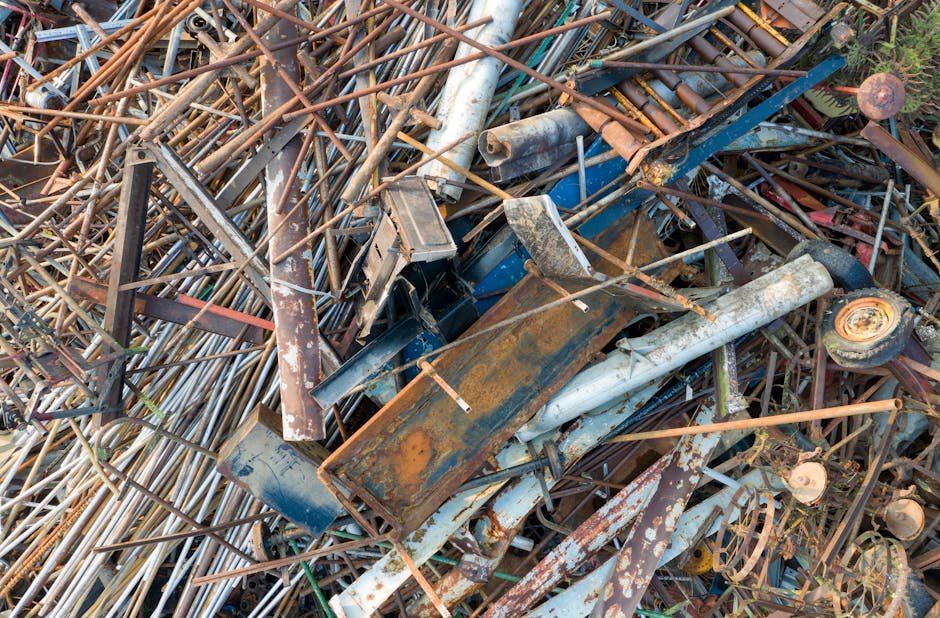

Navigating the landscape of scrap metal Jericho requires a deep understanding of market dynamics, material classification, and the logistical efficiencies that define the Australian recycling sector. Whether you are a commercial contractor clearing a site or an individual looking to responsibly dispose of household metal waste, identifying the right facility is paramount. As the industry evolves, the demand for high-quality, pre-sorted scrap has surged, making it essential for suppliers to understand the nuances of metal grading to capture the best market value. By engaging with professional services like Best Scrap Metal Yard Jericho | Top Prices & Service, you ensure that your materials are processed according to the highest environmental and safety standards, directly influencing your bottom line.
Understanding Metal Grades: Ferrous vs. Non-Ferrous
The foundation of the scrap industry lies in the distinction between ferrous and non-ferrous metals. Ferrous metals, which contain iron, are magnetic and generally denser, including materials like carbon steel, stainless steel, and cast iron. Because they are produced in massive quantities, they are the backbone of the global construction and automotive industries. In contrast, non-ferrous metals—such as copper, aluminum, brass, and lead—do not contain iron and are prized for their resistance to corrosion and high conductivity. These materials often command significantly higher market rates due to their scarcity and the energy-intensive process required to mine them from raw ore.
When you visit a scrap metal Jericho facility, your ability to correctly identify and separate these materials will dictate your payout. For instance, clean, bare bright copper wire is graded differently than insulated copper or copper tubing. Similarly, aluminum is categorized by its alloy composition; cast aluminum, extruded aluminum, and aluminum cans all fetch different prices. Utilizing a magnet is the simplest field test for beginners, but professional traders often use portable XRF (X-ray fluorescence) analyzers to determine the precise chemical composition of a scrap item. Understanding these grades is not just about profit; it is about facilitating the circular economy, as high-purity scrap requires less energy to refine than raw virgin materials.
The Recycling Process: From Collection to Commodity
The journey of scrap metal begins with collection. Once materials reach a Metal Scrap Yard Near Me, they undergo a rigorous sorting process. Advanced facilities utilize automated systems, including eddy current separators for non-ferrous metals and magnetic drums for ferrous materials, to ensure high-purity streams. After sorting, the metal is processed through shredders or hydraulic shears. Shredding breaks down large, complex items like vehicles or white goods into smaller, manageable fragments, which are then cleaned of contaminants like plastics, rubber, and glass.
The next phase is densification. By baling or briquetting the processed metal, yards can optimize transport efficiency, reducing the carbon footprint associated with moving heavy materials to smelters. This is where the expertise of firms like Crg Scrap Metal becomes invaluable, as they manage the logistics of moving bulk scrap to specialized refineries. Once at the smelter, the metal is melted down into ingots or billets, which are then sold back to manufacturers to create new products. This closed-loop system is the hallmark of modern recycling, proving that scrap is not waste, but a valuable resource waiting to be re-entered into the global supply chain.
Market Trends and Pricing Dynamics
Staying informed about current Scrap Metal Prices is critical for any serious trader. Prices are inherently volatile, influenced by global industrial demand, currency exchange rates, and the cost of energy. For example, when the Chinese manufacturing sector slows, global demand for iron ore and scrap steel often dips, leading to downward pressure on local prices. Conversely, a surge in infrastructure projects across Australia can drive up the value of structural steel and copper cabling.
To maximize your returns, consider the timing of your sales. Many experienced scrap metal traders track the London Metal Exchange (LME) to anticipate price movements. Furthermore, volume plays a major role; large-scale commercial suppliers often negotiate tier-based pricing structures that provide better margins than spot-market rates. Always ensure that your scrap is free of contaminants—such as wood, concrete, or hazardous chemicals—as these ‘attachments’ will lead to significant weight deductions at the scale house. You can find comprehensive resources for tracking these trends through industry leaders at Scrap Trade or by consulting professional guides at Scrap Trade Australia.
Environmental Benefits and Sustainability
The environmental impact of recycling scrap metal Jericho cannot be overstated. Mining virgin ore is an incredibly destructive process, involving massive land clearing, water usage, and the emission of greenhouse gases. By recycling aluminum, for instance, we save approximately 95% of the energy required to produce the same amount of metal from bauxite ore. Similarly, recycling steel reduces water consumption by 40% and air pollution by 86% compared to primary production.
Beyond energy savings, metal recycling prevents millions of tonnes of waste from entering landfills, where heavy metals can leach into the soil and groundwater. As Australia moves toward a more circular economy, the role of the scrap trader is shifting from a ‘waste collector’ to a ‘resource manager.’ By participating in this system, you are directly contributing to the preservation of natural habitats and the reduction of the nation’s overall carbon footprint. This is a powerful economic and environmental incentive that benefits the community, the industry, and future generations.
Operational Safety and Compliance
Operating in the scrap metal industry involves inherent risks, from handling sharp, heavy materials to working around heavy machinery. Safety compliance is the hallmark of a reputable yard. When selecting a facility, look for evidence of adherence to Work Health and Safety (WHS) standards. Proper personal protective equipment (PPE), including steel-capped boots, high-visibility clothing, and gloves, is mandatory for anyone entering a scrap yard.
Furthermore, environmental compliance is non-negotiable. Modern scrap yards must have sophisticated drainage systems to prevent oil and chemical runoff from contaminating local water tables. They must also maintain strict records of the origin of their scrap to prevent the trade of stolen goods, adhering to the Second-Hand Dealers and Pawnbrokers Act. By choosing to work with licensed, professional operators, you ensure that your scrap is handled legally and ethically, protecting yourself from potential liability and supporting a transparent, legitimate industry.
Logistics and Site Clearing Strategies
For large-scale projects, such as demolition or factory decommissioning, logistics are just as important as the metal value itself. Efficient site clearing requires a strategic approach. Start by segregating metals at the source. Keeping copper piping separate from steel beams, and keeping clean aluminum separate from contaminated alloys, will drastically reduce your processing time and increase your payout. Many top-tier yards offer bin services, providing heavy-duty skips that can be placed directly on your job site for easy loading.
When planning a large clearance, schedule your pickups during off-peak hours to avoid congestion and ensure that the yard’s logistics team can provide dedicated support. Documenting your materials with photographs and weight estimates before the truck arrives allows for better communication with the yard manager, ensuring that you receive an accurate quote. Remember, the goal is to create a symbiotic relationship with your scrap provider; consistent, well-sorted, and clean deliveries will always be prioritized and rewarded with better service and more competitive pricing.
The Future of the Australian Scrap Industry
The future of scrap metal in Australia is inextricably linked to technological innovation. We are seeing the rise of ‘smart’ sorting technologies, where AI-driven cameras identify and sort alloys in milliseconds, far surpassing human capability. Additionally, the increasing focus on ‘urban mining’—extracting precious metals from electronic waste—is opening new revenue streams for traditional scrap yards. As the world transitions toward renewable energy, the demand for metals like copper, lithium, and cobalt will continue to skyrocket, placing scrap recyclers at the very center of the green energy transition.
By staying engaged with the industry, attending trade expos, and maintaining relationships with reputable buyers, you position yourself to capitalize on these shifts. The scrap metal Jericho market is more than just a place to drop off old junk; it is a vital component of the global industrial ecosystem. Whether you are a small-scale recycler or a large commercial enterprise, your participation in this sector is a testament to the value of sustainability and the power of the circular economy. Keep your materials clean, stay informed on market fluctuations, and always prioritize safety to ensure long-term success in this dynamic and rewarding field.
Frequently Asked Questions
What is the difference between ferrous and non-ferrous scrap metal?
Ferrous metals contain iron and are magnetic, such as steel and iron. Non-ferrous metals do not contain iron, are non-magnetic, and include valuable materials like copper, aluminum, and brass.
How can I get the best price for my scrap metal?
To maximize your returns, ensure your scrap is clean, free of contaminants like plastic or wood, and properly sorted by grade. Keeping up-to-date with current market prices and building a relationship with a reputable yard will also help you secure better rates.
Why is it important to recycle scrap metal instead of throwing it away?
Recycling metal significantly reduces the energy required for production compared to mining virgin ore, preserves natural resources, and prevents hazardous heavy metals from leaching into landfills and groundwater.
Do I need special equipment to start recycling scrap metal?
For basic recycling, a magnet to distinguish between ferrous and non-ferrous metals is essential. For larger operations, proper personal protective equipment (PPE) and logistics tools like bins or trailers are necessary for safe and efficient transport.