
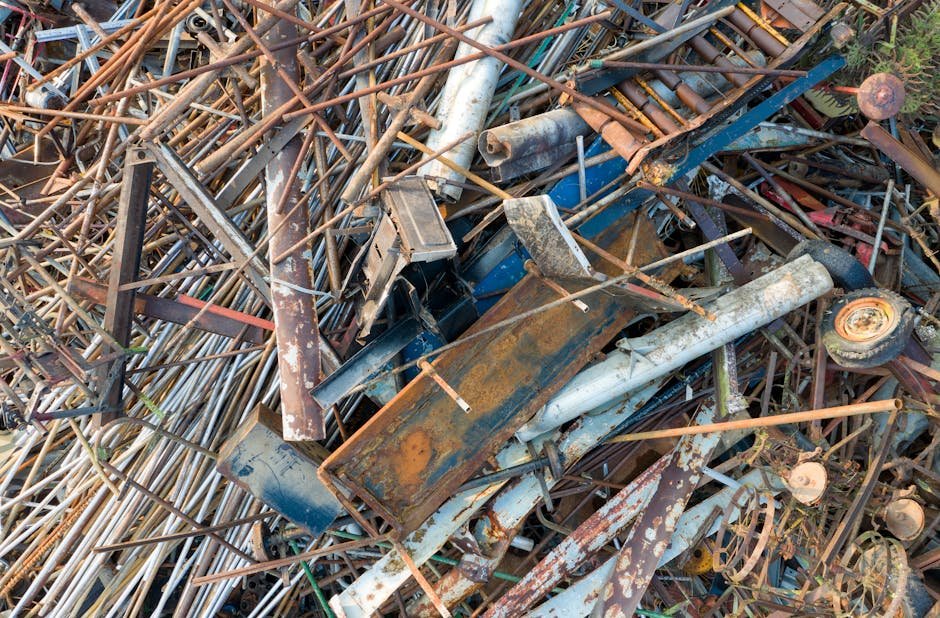

Navigating the landscape of scrap metal Wildwood requires a deep understanding of how global commodities markets impact your local returns. Whether you are a tradesperson clearing a worksite or a homeowner disposing of old appliances, the process of recycling metal is a sophisticated industrial operation that turns waste into valuable raw material. By engaging with professional facilities, you ensure that metals are handled according to environmental standards while securing the best financial outcome for your collection. Understanding the nuances of metal grading and the logistics of the metal scrap yard near me is the first step toward becoming a savvy participant in the circular economy. This guide provides the comprehensive knowledge necessary to master the art of scrap trading in the Australian market.
Understanding Metal Grades: Ferrous vs. Non-Ferrous
The foundation of the scrap industry lies in the distinction between ferrous and non-ferrous metals. Ferrous metals, such as iron and steel, contain carbon and are magnetic. They are the backbone of construction, found in everything from structural beams to automotive chassis. Because they are abundant, they generally command lower prices per kilogram than their non-ferrous counterparts. However, their sheer volume makes them essential for high-capacity recycling operations. When you bring ferrous materials to a facility, you are contributing to the massive supply chain that feeds steel mills across the globe.
Non-ferrous metals, which include copper, aluminum, brass, lead, and stainless steel, are non-magnetic and highly resistant to corrosion. These metals are significantly more valuable due to their scarcity and the energy-intensive process required to mine them from raw ore. Copper, for instance, is a highly sought-after commodity in electrical infrastructure and plumbing. Understanding the purity of your non-ferrous scrap is crucial; contaminants like plastic insulation on copper wire or steel bolts attached to aluminum parts can significantly downgrade your material’s value. Pro-level traders always strip cables and separate alloys before arriving at the yard to ensure they receive the highest possible payout.
The Scrap Metal Recycling Process
Recycling is not merely about dumping items into a bin; it is a multi-stage industrial process. Upon arrival at a facility, scrap is weighed on certified scales to determine its value. The material is then sorted using a combination of manual labor, magnetic separators, and advanced technology like X-ray fluorescence (XRF) analyzers, which identify the exact chemical composition of an alloy in seconds. This sorting is critical because even minor impurities can ruin an entire batch of molten metal at a foundry.
Once sorted, the metals are processed through shredders or balers. Shredding breaks large items into smaller, uniform pieces, making it easier to separate different materials using air classifiers or eddy current separators. Balers compress light-gauge metals into dense cubes, which are easier to transport and load into shipping containers. This efficiency is why staying updated with the Scrap Metal Prices is essential for anyone looking to profit from their collection. The final product is a clean, high-grade raw material ready to be melted down and repurposed into new products, effectively closing the loop on manufacturing waste.
Environmental and Economic Impacts
The environmental case for scrap recycling is undeniable. Recycling aluminum, for example, requires 95% less energy than producing it from bauxite ore. By choosing to recycle rather than discard, you are directly reducing the carbon footprint of the manufacturing sector. This conservation of energy also leads to less mining, which protects biodiversity and reduces the destruction of landscapes. In the context of scrap metal Wildwood, local recycling initiatives play a vital role in keeping hazardous materials out of landfills, where they could otherwise leach toxins into the groundwater.
Economically, the scrap industry is a powerful driver of the Australian economy. It provides jobs, supports local infrastructure, and creates a steady supply of raw materials for domestic manufacturers. When you choose to work with a reputable partner like Crg Scrap Metal, you are supporting a business that adheres to strict environmental regulations and ethical trading practices. This transparency is vital for the industry’s reputation and ensures that the materials you provide are handled responsibly. For a deeper dive into the market trends affecting your bottom line, refer to the Ultimate Guide to scrap metal prices in Australia, which breaks down the factors influencing supply and demand.
Maximizing Your Returns: Practical Tips for Traders
To maximize your profit, treat your scrap like a business. Start by segregating your materials at the source. Mixing low-value steel with high-value copper is a common mistake that costs traders money. Keep your metals in clean, dry containers to prevent oxidation, which can be perceived as contamination. If you are dealing with large volumes, consider investing in a basic magnetic test kit to quickly differentiate between ferrous and non-ferrous items. It is also wise to monitor market fluctuations; metal prices are tied to global manufacturing demand, so timing your sales during market peaks can significantly increase your revenue.
Another key strategy is building a relationship with a trusted local buyer. Consistent suppliers often receive better service and more accurate grading. You can find comprehensive resources for your scrap journey at Scrap Trade, which offers detailed insights into the industry. Furthermore, always ensure you have the correct documentation for your scrap, especially when dealing with large industrial quantities, to comply with local regulations. For those operating across different regions in Australia, visiting Scrap Trade Australia provides a broader perspective on the national recycling landscape and helps you connect with the right facilities for your specific needs.
The Future of Metal Recycling in Australia
The scrap industry is currently undergoing a digital transformation. From mobile apps that track live pricing to automated sorting technologies that increase yield, the industry is becoming more efficient and transparent. As Australia moves toward a more circular economy, the demand for high-quality recycled metal is expected to grow. This shift presents a massive opportunity for both individual collectors and commercial enterprises to play a part in a sustainable future. By staying informed about technological advancements and market shifts, you can ensure that your scrap metal Wildwood activities remain profitable and impactful for years to come.
As we look forward, the integration of blockchain and advanced tracking systems will likely provide even greater clarity in the supply chain, ensuring that recycled materials are traced from the point of collection to the final product. This level of accountability will further boost the industry’s credibility and encourage more businesses to adopt sustainable waste management practices. Whether you are a seasoned pro or just starting, the key to success is continuous learning and a commitment to quality. The scrap metal industry is not just about waste; it is about resource management and the preservation of our planet’s finite assets.
Case Study: Industrial Waste Management
Consider a local manufacturing firm that previously paid to have its metal offcuts sent to a landfill. By implementing a dedicated scrap management program, the firm was able to separate its aluminum, copper, and steel waste. Within six months, the firm not only eliminated its disposal costs but also generated a new revenue stream that covered the cost of its waste management infrastructure. This case illustrates that with the right strategy, scrap metal is a valuable asset rather than a liability. By applying these same principles to your own situation, you can turn discarded materials into tangible profit while contributing to the nation’s recycling goals.
The success of such programs depends on the training of staff and the establishment of clear protocols. By placing clearly labeled bins at every workstation, the firm ensured that contamination was minimized from the start. This disciplined approach is the hallmark of successful scrap management. Whether you are managing a small workshop or a large industrial site, the lessons are the same: sort, clean, and stay informed. With the right systems in place, the scrap metal industry offers endless potential for growth and sustainability, proving that what we once called waste is actually the building block of our future infrastructure.
Frequently Asked Questions
What is the most valuable type of scrap metal?
Copper is generally the most valuable non-ferrous metal due to its high demand in electrical and plumbing industries. Clean, bright copper wire typically commands the highest prices at recycling yards.
How can I tell if my metal is ferrous or non-ferrous?
The easiest way is to use a magnet. If the magnet sticks to the metal, it is ferrous (iron or steel); if it does not stick, it is likely a non-ferrous metal like aluminum, copper, or brass.
Why should I strip insulation off copper wire?
Stripping insulation removes non-metallic contaminants, allowing the yard to grade the copper as ‘bright and shiny,’ which pays significantly more than ‘insulated’ or ‘dirty’ copper.
Do scrap metal prices change daily?
Yes, scrap metal prices fluctuate based on global commodity markets, supply and demand, and currency exchange rates. It is recommended to check current rates before heading to the yard.