

Understanding how to sell copper scrap is the cornerstone of a profitable metal recycling strategy for tradies, demolition contractors, and household renovators alike. As the global demand for conductive materials surges, copper remains the most valuable non-ferrous metal in the Australian market. Whether you are clearing out a job site or managing recurring industrial waste, knowing the nuances of grading and market timing is essential. When you decide to Sell Scrap, you are not just clearing space; you are participating in a circular economy that preserves energy and reduces the need for destructive mining. Mastering how to sell copper scrap involves more than simply dumping a bin at a yard; it requires a strategic approach to preparation and vendor selection. If you are researching how to sell copper scrap for the first time, this guide provides the professional insights needed to extract maximum value from your metal assets.
The Hierarchy of Copper Grades: Maximizing Your Return
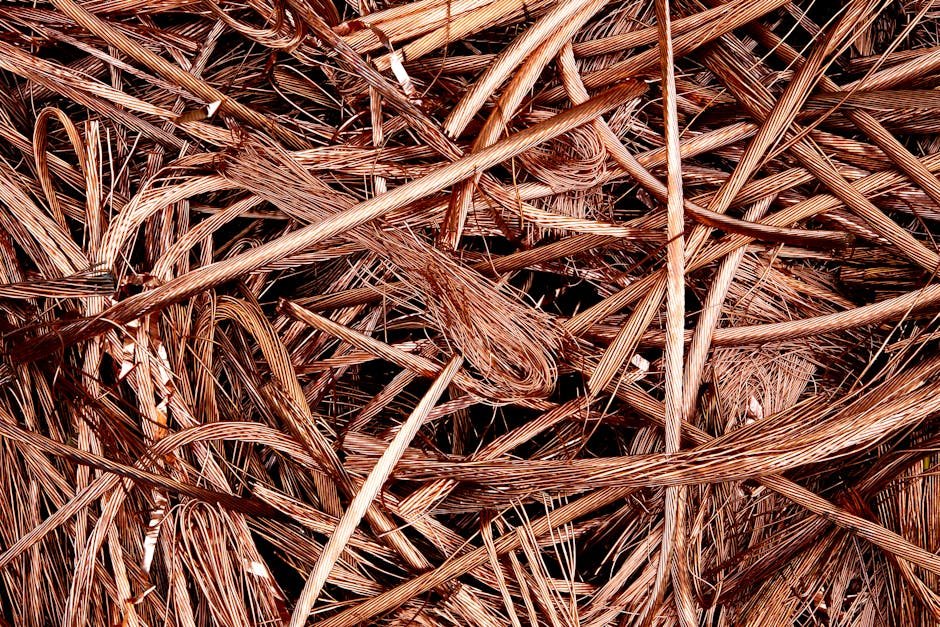
The secret to getting the best copper price per kg lies entirely in how you sort your material. Scrap dealers categorize copper based on purity, oxidation levels, and the presence of contaminants. The highest grade, known as bare bright copper, consists of clean, unalloyed, uncoated, and unoxidized wire, typically 16 gauge or thicker. It is the gold standard because it requires the least amount of processing before it can be melted down and repurposed. To achieve this, you must invest time in stripping your copper wire. Using a mechanical wire stripper is far more efficient than manual cutting, and the increased payout for clean wire usually covers the cost of the tool within a few jobs.
Next in the hierarchy is number 2 copper, which may contain slight oxidation, paint, or minor solder. While it commands a lower price than bare bright, it is still a premium commodity. Copper pipe, if clean and free of heavy fittings, valves, or excessive solder, often falls into the high-grade category. However, if the pipe is heavily corroded or contains lead-based solder, it may be downgraded. Always keep your plumbing scrap separate from your electrical cabling. Mixing grades is the most common mistake made by sellers, as yards will almost always pay the price of the lowest-grade item in your pile for the entire batch. By maintaining strict separation, you ensure that your high-value inventory is not diluted by lower-value contaminants.
Navigating the Australian Scrap Market: Where to Sell
Finding a reliable partner is as important as the metal itself. When asking where to sell, consider the scale of your operation. Major industrial recycling facilities offer competitive bulk rates but may not be set up for small-scale residential loads. Conversely, smaller local yards might offer personalized service but have less capacity for large-scale logistics. You can start your search by looking for Scrap Copper Prices Near Me to establish a baseline. It is crucial to verify that your chosen dealer is licensed and uses calibrated, government-certified scales. Transparency in weighing is non-negotiable; if a yard is hesitant to let you see the scale or provide a detailed docket, take your business elsewhere.
For those looking for a streamlined experience, Where to Sell Scrap Copper Near Me: Complete 2026 Guide offers a deep dive into finding reputable local outlets. Many professional contractors prefer to build a long-term relationship with a single dealer. This rapport can lead to better pricing tiers, priority service, and faster payment terms. If you are dealing with significant volumes, inquire about bin services. Many yards will drop off a skip bin at your site, allowing you to load it progressively, which saves on transport costs and keeps your site compliant with safety regulations. Always check the current market trends, as copper is a commodity traded globally, and local prices fluctuate based on the London Metal Exchange (LME) and the strength of the Australian dollar.
The Professional Recycling Process: From Site to Smelter
The journey of your Scrap Copper begins the moment you separate it from the waste stream. Once the dealer receives your material, they perform a quality assessment. They look for contaminants like plastic, steel, or brass fittings. If you have done your job correctly, the material is weighed, and the transaction is finalized. The dealer then processes the scrap—often through shredding or granulating—to separate the copper from any remaining insulation or foreign materials. This processed copper is then compressed into dense bales and transported to smelters. At the smelter, the copper is melted, purified, and cast into ingots or rods, which are then sold back to manufacturers to create new wiring, plumbing components, and electronics.
The environmental impact of this cycle is profound. Recycling copper consumes up to 85% less energy than extracting virgin copper from ore. Furthermore, it significantly reduces the volume of mining waste, which is often toxic and detrimental to local ecosystems. By choosing to recycle, you are actively reducing the carbon footprint of your construction or renovation projects. For those looking for broader industry resources, Scrap Trade Australia provides comprehensive data on the national recycling landscape. Understanding this process helps you appreciate why dealers pay such high prices for clean, sorted material: you are providing a high-quality raw material that is ready for immediate industrial use.
Practical Strategies for Improving Your Scrap Payout
To consistently hit the top end of the market price, you must treat your scrap as inventory. Start by establishing a dedicated area on your site or in your garage for sorting. Use clearly labeled bins for different grades: one for bare bright, one for number 2, and one for plumbing pipe. This prevents the accidental mixing of metals. Another critical factor is the timing of your sales. While you cannot predict the market perfectly, you can avoid selling during periods of extreme volatility. If you have the storage space, stockpile your copper until you have a significant quantity. Dealers often offer better rates for larger loads because it reduces their administrative and transport overheads.
Safety is equally vital. When processing copper wire, always wear protective gloves and eyewear, especially if you are using mechanical strippers. Be aware of the risks associated with handling old piping, which may contain lead or be sharp. If you are a business, ensure you are compliant with the relevant state-based scrap metal dealer legislation, which often requires you to provide identification and proof of ownership. This is not just a legal requirement; it is a mark of a professional operator. By maintaining clean, well-sorted, and ethically sourced material, you build a reputation that makes you a preferred seller in the eyes of any scrap dealer.
The Economics of Copper: Why Grades Matter
The price difference between grades is driven by the cost of refining. When a dealer buys number 2 copper, they have to factor in the labor and energy required to clean it. If they buy bare bright copper, that cost is effectively zero. This is why the spread between grades can be significant. Understanding this spread allows you to make informed decisions about your labor. For example, if the current market price for bare bright is significantly higher than number 2, it is almost always worth your time to strip the insulation. However, if the spread is narrow, your labor might be better spent on other tasks. Always ask your dealer for their current price list for different categories. A professional dealer will have a clear, updated list of what they pay for each grade.
Furthermore, consider the impact of market fluctuations on your bottom line. Copper prices are influenced by global construction demand, particularly from major economies like China. When global demand is high, your scrap becomes more valuable. Keep an eye on financial news or subscribe to industry newsletters to get a sense of whether the market is trending up or down. While you should not base your entire business strategy on market timing, being aware of these cycles can help you decide when to liquidate your stockpile. If you are holding a large volume of high-grade copper, selling during a peak can result in a significantly higher profit margin compared to selling during a market trough.
Building Long-Term Relationships with Scrap Dealers
The most successful scrap sellers view their relationship with the local yard as a partnership. When you are a regular, you are no longer just a random customer; you are a reliable supplier of high-quality material. This can lead to benefits that go beyond just the per-kilogram price. For instance, some dealers may offer you faster payment processing, or they might give you early notice of price changes. They may also be more willing to provide advice on how to better prepare your materials to maximize your returns. If you have a large demolition project coming up, talk to your dealer in advance. They can often provide specific advice on how to sort the materials as they are being removed, which can save you hours of work later.
Additionally, look for dealers who are committed to sustainable practices. A reputable dealer will have robust systems in place to ensure that all materials are processed safely and in accordance with environmental regulations. This alignment of values is important, especially for businesses that need to maintain their own environmental, social, and governance (ESG) credentials. By working with a dealer who shares your commitment to the environment, you ensure that your scrap copper is being recycled in the most responsible way possible. This not only benefits the planet but also enhances your own brand reputation in an increasingly sustainability-conscious market.
Conclusion: Turning Waste into Wealth
Selling copper scrap is a skill that combines market knowledge, physical preparation, and strategic logistics. By understanding the grading system, investing in the right tools, and building strong relationships with reputable dealers, you can turn what many see as site waste into a significant revenue stream. Remember that the value of your scrap is determined by the quality of your preparation. Whether you are stripping wire, cleaning pipe, or simply keeping your grades separated, every action you take adds value to the material. As you continue to refine your process, you will find that the time invested pays dividends in higher payouts and a more efficient workflow. Keep track of the market, stay organized, and always prioritize safety. With these principles, you are well-equipped to navigate the Australian scrap metal industry and maximize your returns on every kilogram of copper you sell.
Frequently Asked Questions
What is the difference between bare bright and number 2 copper?
Bare bright copper is clean, unalloyed, and unoxidized wire, typically 16 gauge or thicker, which commands the highest price. Number 2 copper includes wire or pipe that has slight oxidation, paint, or minor solder, making it slightly less valuable due to the extra processing required.
Does the price of copper change daily?
Yes, copper is a globally traded commodity, and its price fluctuates daily based on the London Metal Exchange (LME) and currency exchange rates. Most local scrap yards adjust their buying prices regularly to reflect these global movements.
Do I need to show ID when selling scrap metal?
Yes, in most Australian states, scrap metal dealers are legally required to record the identification of the seller to prevent the trade of stolen goods. Always bring a valid driver’s license or government-issued photo ID when visiting a yard.
Is it worth stripping insulation from copper wire?
In most cases, yes. The price difference between insulated wire and bare bright copper is usually significant enough to justify the time spent stripping it. Using a mechanical wire stripper makes this process much faster and more profitable for large volumes.