

Navigating the landscape of scrap in Sharjah requires a deep understanding of global commodity markets, local regulatory frameworks, and the technical specifications that determine material value. As a primary industrial hub in the United Arab Emirates, Sharjah serves as a critical node for the collection, processing, and export of both ferrous and non-ferrous metals. Whether you are an industrial manufacturer looking to optimize waste management or a demolition contractor seeking to maximize the return on high-grade alloys, understanding the nuances of the local market is essential. For those ready to monetize their industrial output, you can Sell Scrap through our streamlined digital platform, which connects suppliers with verified buyers. Our Comprehensive Guide to Scrap Buyers in Sharjah: Expert Insights provides the foundational knowledge needed to navigate this complex ecosystem successfully. The sheer volume of scrap in Sharjah necessitates a sophisticated approach to logistics and grading, ensuring that materials are diverted from landfills and reintegrated into the global manufacturing supply chain.
Understanding Metal Grades and Market Valuation
The valuation of metal depends entirely on its chemical purity, physical state, and the current LME (London Metal Exchange) trends. In Sharjah, metal scrap is typically categorized into ferrous and non-ferrous groups. Ferrous metals, such as steel and iron, are graded based on their density and contamination levels. HMS 1 and HMS 2 (Heavy Melting Steel) are the industry standards for construction-grade steel. If you are dealing with high-volume industrial waste, you must ensure that your material is free from hazardous attachments like plastics, rubber, or concrete, as these significantly downgrade the price. Non-ferrous metals, including copper, aluminum, brass, and lead, command a much higher price point due to their infinite recyclability without loss of quality. Copper, for instance, is graded by purity; ‘Bright and Shiny’ copper wire is the gold standard, while ‘Burnt’ or ‘Insulated’ wire requires additional processing and thus fetches a lower rate. You can learn more about specific material standards by visiting Scrap Trade for global industry benchmarks. Aluminum is similarly graded by series, such as the 6063 alloy common in window frames or the 5052 series used in manufacturing. When you engage in the trade of scrap in Sharjah, you are participating in a global commodity market where precision in grading directly correlates to your bottom-line profitability. Always use a calibrated scale and maintain clean separation of grades to avoid ‘mixed load’ pricing, which is the most common way suppliers lose money.
The Technical Process of Industrial Recycling
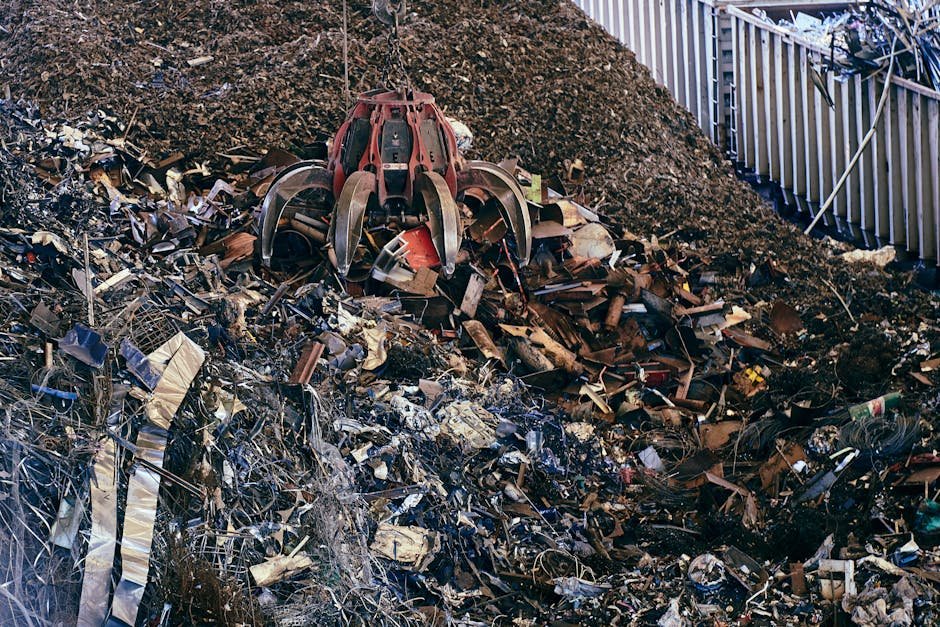
Recycling in Sharjah is not merely about collection; it is a high-tech industrial process that involves sorting, shearing, shredding, and smelting. Large-scale recycling facilities in the Sharjah industrial areas utilize advanced sensor-based sorting technologies, including X-ray fluorescence (XRF) analyzers and eddy current separators, to identify and isolate specific metal alloys from mixed waste streams. This is where companies like Gmr Scrap demonstrate the importance of specialized processing. Once the material is sorted, it undergoes mechanical processing. Shearing machines cut large steel beams into furnace-ready dimensions, while shredders reduce bulky items like automobiles or white goods into small, uniform pieces. This shredding process is vital for the downstream magnetic separation of ferrous metals from non-ferrous fractions. Following mechanical processing, the metals are often baled into high-density cubes for efficient shipping. For international readers interested in how these processes align with global standards, the Scrap Trade Australia portal offers excellent comparative data on how different jurisdictions handle high-volume metal recovery. The efficiency of the recycling process in Sharjah is a testament to the region’s investment in industrial infrastructure, ensuring that even complex scrap materials are recovered, processed, and prepared for export to global steel mills and smelters.
Environmental Benefits and Circular Economy Integration
The environmental impact of recycling scrap cannot be overstated. By utilizing secondary metal, manufacturers significantly reduce their reliance on virgin ore extraction, which is an energy-intensive and environmentally destructive process. For every ton of steel recycled, approximately 1.5 tons of iron ore and 0.5 tons of coal are saved, while CO2 emissions are slashed by up to 75%. In the context of the UAE’s sustainability goals, the scrap industry in Sharjah plays a pivotal role in reducing the carbon footprint of the local construction and manufacturing sectors. Furthermore, recycling minimizes the volume of waste sent to landfills, preventing the leaching of heavy metals into the soil and groundwater. This transition to a circular economy model—where materials are kept in use for as long as possible—is a key pillar of Sharjah’s industrial strategy. Businesses that prioritize responsible scrap disposal are not only contributing to a healthier environment but are also aligning themselves with ESG (Environmental, Social, and Governance) mandates, which are increasingly important for securing contracts with global corporations. The recovery of non-ferrous metals like copper and aluminum is particularly impactful, as these materials require significantly less energy to recycle than to refine from raw ore. By actively managing your scrap, you are directly contributing to the preservation of natural resources and the mitigation of industrial pollution.
Logistics and Regulatory Compliance in Sharjah
Operating within the scrap industry in Sharjah requires strict adherence to local municipal regulations and environmental safety standards. The Sharjah Municipality and the Sharjah Environment Company (Bee’ah) have established clear guidelines for the handling, storage, and transportation of industrial waste. It is imperative that any entity involved in the scrap trade possesses the necessary trade licenses and environmental permits. When transporting scrap, documentation such as waste transfer notes must be meticulously maintained to ensure traceability. This regulatory environment is designed to prevent illegal dumping and ensure that hazardous materials, such as those found in electronic scrap (e-waste) or lead-acid batteries, are handled by specialized facilities. For businesses, compliance is not just a legal obligation; it is a competitive advantage. Facilities that demonstrate clean, organized, and compliant operations are preferred by top-tier buyers and international exporters. Furthermore, understanding the logistics of the Sharjah port system is crucial for those looking to export their processed scrap. Efficient containerization and knowledge of shipping schedules can significantly impact the profitability of large-scale scrap transactions. Always ensure your logistics partner is experienced in handling heavy metal cargo to avoid demurrage charges and ensure timely delivery to the final destination.
Future Trends: Technology and Market Evolution
The future of the scrap industry in Sharjah is being shaped by digitalization and increased automation. We are seeing a shift toward ‘Smart Scrap’ management, where IoT (Internet of Things) sensors are used to track waste volume and composition in real-time, allowing for more efficient logistics and collection scheduling. Digital marketplaces are replacing traditional, opaque trading methods, providing suppliers with transparent, real-time pricing data. This evolution is enabling smaller businesses to access global markets that were previously dominated by large conglomerates. Additionally, the rise of the electric vehicle (EV) industry is creating a new stream of scrap, specifically in the form of lithium-ion batteries and high-grade copper wiring, which will require specialized recycling technologies. Sharjah is well-positioned to become a regional leader in this high-tech recycling space. As the global demand for sustainable materials grows, the ability to provide high-purity, traceable recycled metal will become the primary driver of market value. Investors and industrial players who adapt to these technological advancements will be the ones to thrive in the coming decade. The integration of blockchain for material traceability, ensuring that recycled metals meet the sustainability requirements of end-users, is another trend to watch. By staying ahead of these shifts, stakeholders in the Sharjah scrap sector can ensure long-term viability and profitability.
Conclusion: Maximizing Value Through Expert Partnership
The scrap industry in Sharjah is a sophisticated, high-stakes environment that rewards those who prioritize knowledge, compliance, and strategic partnerships. From understanding the precise grading of ferrous and non-ferrous materials to leveraging the latest digital tools for market access, the opportunities for value extraction are immense. By focusing on quality control and working with reputable processors, you can transform your industrial waste into a significant revenue stream. Remember that the value of your scrap is not just in the metal itself, but in the efficiency with which you can bring it to market. Whether you are a small workshop or a large-scale manufacturer, the principles of professional scrap management remain the same: sort at the source, maintain purity, and partner with transparent, expert buyers. The transition toward a circular economy is accelerating, and Sharjah is at the forefront of this transformation. By engaging with the resources and guidance provided, you position your business at the heart of this sustainable industrial evolution. Start by evaluating your current waste streams, identifying the potential for recovery, and connecting with the right industry partners to turn your scrap into a sustainable asset for the future.
Related: Scrap
Frequently Asked Questions
What is the most important factor when grading scrap metal in Sharjah?
The most important factor is purity, which involves ensuring the metal is free from contaminants like plastic, rubber, wood, or other non-metallic materials. Proper sorting at the source is the primary way to ensure you receive the highest market price for your scrap.
How does the LME impact scrap prices in the UAE?
The London Metal Exchange (LME) sets the global benchmark prices for primary metals, which directly influences the local scrap market in Sharjah. Local buyers adjust their purchase prices based on these global fluctuations, often factoring in regional logistics and processing costs.
Are there specific permits required to trade scrap in Sharjah?
Yes, trading and processing scrap in Sharjah requires valid trade licenses and specific environmental permits issued by the Sharjah Municipality and relevant environmental authorities. These regulations are in place to ensure safe handling and proper environmental management of industrial waste.
What is the benefit of using a digital platform to sell scrap?
Digital platforms provide transparency in pricing, access to a wider network of verified buyers, and streamlined logistics. This reduces the time spent on manual negotiations and ensures you are getting a fair, market-competitive rate for your material.