
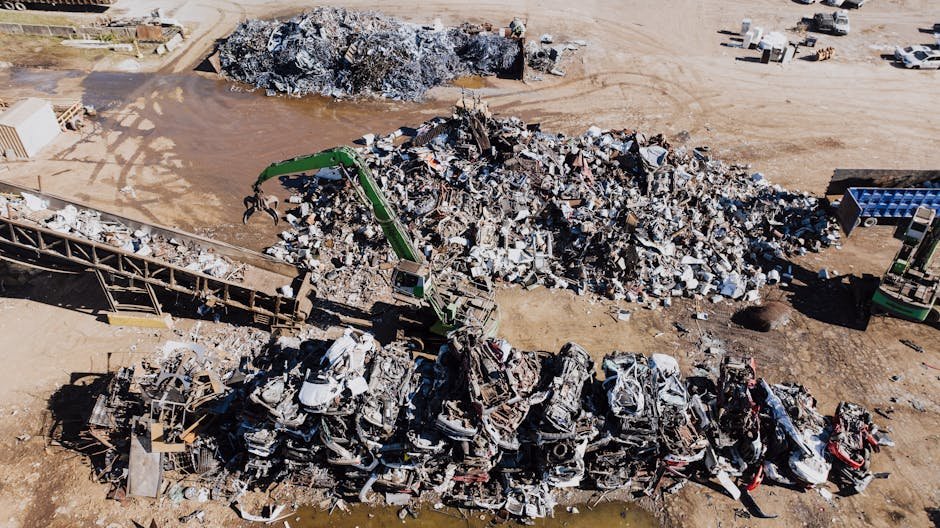

Navigating the complex landscape of the Australian metal industry requires partnering with a reputable scrap company that understands the nuances of global commodity markets and local environmental regulations. Whether you are a construction firm, a manufacturing plant, or an individual tradesperson, understanding how your scrap is valued and processed is the first step toward maximizing your returns. In Australia, the recycling sector is a cornerstone of the circular economy, diverting millions of tonnes of metal from landfills annually. Choosing the right scrap company means ensuring your materials are handled with transparency, accuracy, and adherence to Australian safety standards. As you look to Sell Scrap, you must recognize that not all facilities operate with the same level of integrity or technological capability. A top-tier scrap company, such as Gmr Scrap, utilizes advanced analytical tools to ensure that your metal is graded correctly, providing you with fair market pricing based on current LME (London Metal Exchange) trends. By choosing a professional Scrap Recycling Company, you are not just clearing space; you are participating in a sophisticated supply chain that sustains the manufacturing sector. For more resources on industry standards, visit Scrap Trade or explore the broader market at Australian Metal Recycling.
Understanding Metal Grades and Classification
The foundation of metal recycling lies in the precise classification of materials. Metals are categorized primarily into ferrous and non-ferrous groups, each requiring different handling and processing techniques. Ferrous metals, such as iron and steel, contain carbon and are magnetic. They are the backbone of the construction and automotive industries. Non-ferrous metals, including copper, aluminum, brass, and lead, are highly valued due to their resistance to corrosion and infinite recyclability without losing their chemical properties. Within these categories, grades are determined by purity, size, and the presence of contaminants. For instance, ‘Bright Shiny’ copper is the highest grade of copper wire, free of insulation and oxidation, commanding the highest price. Conversely, ‘Burnt Wire’ or copper with heavy plastic coating is downgraded significantly due to the cost of processing. Understanding these grades allows you to pre-sort your materials, which directly influences your payout. A professional facility will use handheld XRF (X-ray fluorescence) analyzers to determine the exact elemental composition of a scrap piece, ensuring that you are paid for the alloy content rather than just the weight. Always ask your recycling partner for their grading criteria; transparency here is a hallmark of a reliable operator. Sorting your scrap by grade before arriving at the yard is the single most effective way to increase your profit margins, as it saves the facility labor costs and reduces the risk of cross-contamination.
The Lifecycle of Metal: How Recycling Works
The journey from a discarded item to a new product is a multi-stage industrial process that relies on precision. Once metal arrives at a facility, it undergoes a rigorous inspection. The material is weighed on calibrated, government-certified scales to ensure accuracy. Following weighing, the scrap is sorted using a combination of manual, mechanical, and magnetic techniques. Powerful magnets are used to separate ferrous metals from the bulk, while non-ferrous metals are sorted using eddy current separators, which use magnetic fields to repel non-magnetic metals like aluminum, effectively sorting them from plastics and other debris. Once sorted, the material is processed. Ferrous metals are often baled or sheared into manageable sizes for transport. Non-ferrous metals are frequently shredded or granulated to remove insulation and impurities. The final stage is smelting, where the scrap is melted down in large furnaces and cast into ingots or billets. These billets serve as the raw material for new manufacturing, effectively closing the loop. This process consumes significantly less energy than mining and refining virgin ore. For example, recycling aluminum saves approximately 95% of the energy required to produce it from bauxite ore. This energy efficiency is why your participation in the scrap cycle is a vital contribution to national sustainability goals.
Environmental and Economic Impacts
The environmental case for metal recycling is overwhelming. By diverting metal from landfills, we prevent the leaching of hazardous materials into the soil and groundwater. Furthermore, the carbon footprint of recycled metal is a fraction of that produced by primary extraction. Mining is an intensive process that destroys landscapes, consumes vast amounts of water, and releases massive quantities of greenhouse gases. When you choose to recycle, you are effectively reducing the demand for new mining operations. From an economic perspective, the scrap industry is a major contributor to the Australian economy, supporting thousands of jobs in logistics, processing, and manufacturing. The volatility of the scrap market is influenced by global demand, particularly from industrial hubs in Asia and Europe. A sophisticated recycler keeps a close eye on these global trends, allowing them to offer competitive pricing even when local markets fluctuate. By maintaining a steady supply of high-quality scrap, these companies ensure that Australian manufacturing remains competitive on the global stage. It is a symbiotic relationship: the recycler provides the raw materials, the manufacturer produces the goods, and the consumer eventually returns the item to the recycler, completing the cycle. This circularity is the future of sustainable industrial growth.
Practical Tips for Maximizing Your Scrap Returns
Maximizing your returns is not just about the volume of scrap you have; it is about the presentation and quality of your load. First, remove non-metallic attachments. If you have a piece of machinery, stripping away plastic, rubber, or wood will increase the grade of the metal. Second, keep your metals separated. Mixing aluminum with steel, or brass with copper, leads to a lower ‘mixed’ price. If you have large quantities, invest in separate bins or clearly marked areas to keep materials distinct. Third, understand the market timing. While it is difficult to predict exact price spikes, following general commodity trends can help you decide when to sell large stockpiles. Fourth, build a relationship with your recycler. If you are a regular supplier, you may be eligible for better pricing tiers, pick-up services, or specialized bin hire. Fifth, prioritize safety. Always wear appropriate PPE, including gloves and steel-capped boots, when handling scrap. Metal edges are sharp, and heavy loads pose a risk of injury. Finally, ensure you are dealing with a licensed facility. Proper licensing ensures that the company adheres to environmental regulations, which protects you from liability should any hazardous materials be mishandled downstream. A professional recycler will always provide a detailed docket for every transaction, listing the weight and grade of each item; keep these records for your business accounting and tax purposes.
The Future of the Scrap Industry
The scrap industry is currently undergoing a digital transformation. From AI-powered sorting robots to blockchain-based material tracking, the industry is becoming more efficient and transparent. These innovations are designed to minimize human error and maximize the recovery of precious metals from complex electronics and e-waste. As the world moves toward a greener future, the demand for recycled metals like copper and lithium will only grow, driven by the massive expansion of the electric vehicle (EV) market and renewable energy infrastructure. Australia is uniquely positioned to lead this transition, given our vast mineral resources and our growing capacity for advanced recycling. The role of the scrap company is evolving from a simple collector to a high-tech material processor. Companies that invest in advanced sorting technology and sustainable logistics will define the future of the industry. For the individual or business owner, this means that your scrap is becoming more valuable than ever. Stay informed about these technological shifts, as they will dictate how you prepare your materials for sale in the coming years. The transition to a circular economy is not just a trend; it is a structural change in how we view waste. Every piece of scrap is now a potential resource, and the facilities that can recover those resources most efficiently will be the ones that thrive.
Case Study: Optimizing Industrial Scrap Management
Consider a large-scale construction firm that generates several tonnes of mixed metal waste weekly. Initially, the firm simply dumped all waste into a single skip bin, resulting in a low ‘mixed scrap’ payout. By implementing a simple on-site segregation program, the firm introduced color-coded bins for copper, aluminum, and steel. They also trained their site managers to identify high-value scrap items before they were discarded. Within three months, the firm saw a 40% increase in their monthly scrap revenue. Furthermore, by partnering with a dedicated scrap company that provided scheduled collection services, they reduced their site clutter, improved workplace safety, and lowered their waste disposal costs. This case highlights that scrap management is not just about the sale price; it is about operational efficiency. When you treat scrap as a managed commodity rather than a waste product, you unlock significant hidden value. This approach requires a change in mindset, viewing every offcut, wire, or old pipe as an asset. By documenting these processes, the firm was also able to report on their sustainability metrics, which helped them win future tenders that required proof of environmental responsibility. This is the power of a professional approach to metal recycling: it benefits your bottom line, your operational safety, and your corporate reputation simultaneously.
Frequently Asked Questions
What is the most valuable type of scrap metal?
Generally, non-ferrous metals like clean, bright copper wire command the highest market prices due to their high demand and infinite recyclability. Other high-value metals include brass, stainless steel, and aluminum, though their prices fluctuate based on global commodity markets.
How do I know if I am getting a fair price for my scrap?
A fair price is determined by the current London Metal Exchange (LME) rates and the specific grade of your material. To ensure fairness, use a licensed scrap company that uses calibrated scales and provides a detailed receipt showing the weight and grade of each item.
Why is it important to separate my scrap metal?
Separating your scrap prevents cross-contamination, which allows recyclers to pay you the premium price for each specific metal type. Mixed loads are typically valued at the lowest common denominator, significantly reducing your potential earnings.
What happens to the scrap after I sell it?
Once sold, the scrap is sorted, processed, and often shredded or baled before being sent to smelters. There, it is melted down into ingots or billets, which are then sold to manufacturers to create new products, effectively closing the recycling loop.