
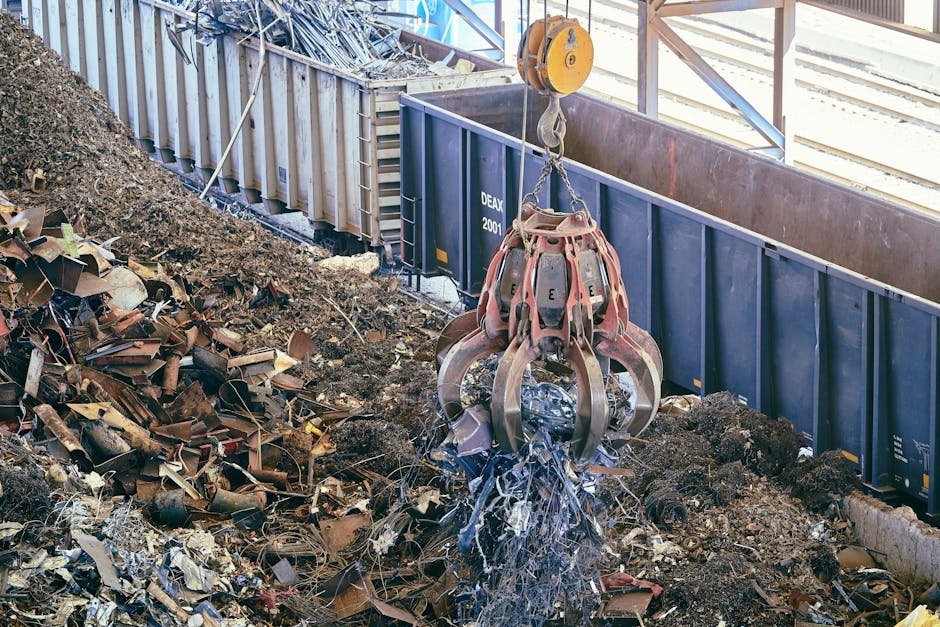

Understanding the complexities of scrap markets is essential for anyone involved in the industrial, construction, or demolition sectors across Australia. As the global economy shifts toward circularity, the demand for high-quality secondary raw materials has never been higher, making the ability to identify, sort, and process materials a critical skill. Whether you are a small business owner looking to Sell Scrap or a large-scale industrial operator managing site clearance, the value of your material depends entirely on your knowledge of international grading standards and local processing capabilities.
The Anatomy of Global Scrap Markets
The stability and profitability of scrap markets are dictated by a complex interplay of supply chain logistics, manufacturing demand, and energy costs. In Australia, the market is heavily influenced by export demand from Asia and domestic industrial consumption. When you manage your scrap metal inventory effectively, you are not just clearing space; you are participating in a vital global supply chain that feeds the production of new infrastructure, vehicles, and consumer goods.
Market participants must recognize that commodity prices fluctuate daily based on the London Metal Exchange (LME) and local currency variations. To succeed, operators must move beyond simple collection and focus on high-purity sorting. Contamination is the single largest factor in price degradation. A load of copper wire that contains plastic insulation or lead soldering is worth significantly less than clean, stripped copper. This is why professional facilities like Scrap Trade Australia emphasize the importance of separation at the source.
Understanding Metal Grades and Classification
Not all metal is created equal, and the classification system used in scrap markets is designed to ensure that smelters receive the exact chemical composition required for their specific alloys. Ferrous metals, which contain iron, are traded in bulk and are primarily valued for their weight and magnetic properties. Conversely, non-ferrous metals—such as copper, aluminium, and brass—are the high-value drivers of the industry.
For those interested in the specifics of light metals, our detailed guide on Aluminium Scrap: Grades, Recycling Process, and technical specifications provides a deep dive into how alloys like 6061 or 6063 are processed. Understanding these distinctions allows you to separate high-value extrusions from lower-value cast aluminium. When you bring your material to a facility like Gmr Scrap, having your load pre-sorted by grade drastically increases your payout and reduces the processing time for the yard.
Ferrous Metals: The Foundation of Industry
Ferrous Scrap typically includes steel, iron, and stainless steel. In Australia, this is often categorized as heavy melt, light iron, or plate and structural steel. Heavy melting steel (HMS) is the industry benchmark. It must be free of non-metallic materials and cut to specific dimensions to fit into furnace charging equipment. If you are involved in demolition, cutting your steel beams to standard lengths before transport can move your material from ‘light iron’ pricing to ‘heavy melt’ pricing, resulting in a significant margin improvement.
Non-Ferrous Metals: The High-Value Tier
Non-ferrous metals do not contain iron and are generally more resistant to corrosion, making them highly recyclable. Copper is perhaps the most scrutinized metal in the industry. Grades range from ‘Bright and Shiny’ (bare, unoxidized wire) to ‘Number 2’ (containing some oxidation or light contamination). Brass, lead, and zinc also follow strict grading protocols. The key to maximizing returns is ensuring that these materials are kept free from contaminants like plastic, rubber, or other base metals that require energy-intensive separation processes at the smelter.
The Recycling Process: From Collection to Commodity
The journey from a discarded item to a new product is a highly engineered process. Once material is collected, it undergoes a series of steps to transform it into a usable commodity. First, the material is weighed and inspected for contamination. In modern facilities, X-ray fluorescence (XRF) analyzers are used to determine the exact elemental composition of metal alloys in seconds. This technology has revolutionized the industry, allowing for precise sorting that was previously impossible.
After sorting, the material is shredded or sheared. Shredding is particularly common for end-of-life vehicles and white goods. The shredder breaks the material into fist-sized pieces, which are then passed through magnetic separators to pull out the ferrous metals. Non-ferrous metals are separated using eddy current separators, which use magnetic fields to repel non-magnetic metals like aluminium and copper, effectively ‘jumping’ them into separate collection bins. Finally, the material is cleaned and baled, ready to be shipped to domestic or international smelters.
Environmental Benefits and Sustainability
The environmental case for recycling is irrefutable. Extracting virgin ore requires massive amounts of energy, water, and chemical processing, often resulting in significant habitat destruction and carbon emissions. By contrast, recycling aluminium saves 95% of the energy required to produce the same amount from bauxite ore. For steel, the energy savings are approximately 75%. These figures are the cornerstone of the modern circular economy.
Beyond energy, recycling significantly reduces the volume of waste sent to landfills. In Australia, where waste management costs are rising, the ability to divert metal from the waste stream is both an environmental and a financial imperative. By participating in these markets, you are directly contributing to the reduction of mining activity and the preservation of natural resources for future generations.
Strategic Tips for Maximizing Scrap Value
To truly excel in the scrap industry, you must treat your scrap as a managed asset rather than a waste product. Start by implementing a site-wide segregation policy. Use clearly labeled bins for different metal types—copper, brass, aluminium, and steel. Train your staff or contractors on the difference between grades. For instance, knowing the difference between clean copper pipe and copper pipe with fittings can change the price per kilogram significantly.
Timing is also a factor. While it is difficult to predict the exact peak of the market, keeping an eye on global economic trends can help. If you have the storage capacity, holding onto large quantities of non-ferrous metals during a temporary market dip can be a profitable strategy if you have the cash flow to sustain it. Always maintain a clean site; yards are more likely to offer better service and faster turnaround times to suppliers who deliver clean, well-organized loads.
Case Example: Industrial Site Clearance
Consider a large-scale demolition project in a metropolitan area. The contractor initially planned to send all metal debris to a general waste facility, incurring high tipping fees. By partnering with a specialized scrap recycler, the contractor implemented a ‘sort-at-source’ program. They used specialized bins for copper wiring, aluminium frames, and structural steel. The result was not only the elimination of tipping fees but the generation of a significant revenue stream that offset a portion of the demolition labor costs. This case highlights how shifting the mindset from ‘waste disposal’ to ‘resource recovery’ changes the entire financial profile of a project.
The Future of Scrap Markets
As we look toward the future, the integration of blockchain and digital tracking for scrap materials is on the horizon. This will provide greater transparency, ensuring that recycled materials are ethically sourced and processed. Furthermore, as manufacturers face increasing pressure to use recycled content in their products, the demand for high-quality scrap will only intensify. Staying informed about these trends and maintaining strong relationships with reputable recycling partners will be the defining factor for success in the coming decade. The industry is moving toward a more sophisticated, data-driven model where quality, traceability, and efficiency are the primary currencies of trade.
In conclusion, the Australian scrap industry is a vital component of the global economy. By understanding the nuances of metal grades, the mechanics of the recycling process, and the broader environmental implications, you can turn your scrap into a valuable asset. Whether you are dealing with small quantities or industrial-scale volumes, the principles of proper sorting and strategic partnership remain the same. Start by auditing your current waste streams, educating your team, and engaging with professional recyclers who can help you navigate the complexities of the market. Your commitment to proper recycling practices not only benefits your bottom line but also drives the global transition toward a more sustainable, resource-efficient future.
Frequently Asked Questions
How do I determine the current value of my scrap metal?
Scrap metal prices are determined by global commodity markets and local demand. To get an accurate valuation, you should contact a reputable local recycler who can assess your material based on its grade, purity, and the current LME-based pricing.
What is the most important factor in getting a higher price for scrap?
The most important factor is the purity of your load. Removing contaminants like plastic, rubber, insulation, or mixed metals before you arrive at the yard significantly increases the value of your scrap.
Why is sorting scrap metal at the source so critical?
Sorting at the source minimizes the labor and energy required by the recycling facility to process your material. When you provide clean, pre-sorted scrap, you reduce the facility’s overhead, which allows them to offer you a higher price per kilogram.
Does the environmental impact of recycling justify the effort?
Yes, the environmental impact is massive. Recycling metals uses significantly less energy than mining and refining virgin ore, reduces greenhouse gas emissions, and prevents valuable materials from occupying space in landfills.