
Selling scrap stainless steel can be a lucrative opportunity for businesses and individuals in Australia. With fluctuating stainless steel prices for scrap and a growing demand for recycled materials, understanding the process is critical to maximizing value. This guide covers everything from grading stainless steel to leveraging recycling benefits, ensuring you navigate the market confidently.
Understanding Stainless Steel Grades and Their Value
Stainless steel is categorized by grades, which determine its composition, corrosion resistance, and market value. The two most common grades in recycling are:
- 304 stainless steel: Contains 18% chromium and 8% nickel, making it ideal for kitchen appliances and industrial equipment. It’s widely recycled due to its durability.
- 316 stainless steel: Adds 2-3% molybdenum to resist chlorides, making it suitable for marine environments and chemical processing. It commands higher prices than 304 due to its specialized properties.
Accurately identifying your stainless steel grade is essential for pricing. Use a magnet test or send samples to a lab for analysis. Recyclers often pay premium rates for clean, sorted grades like 316 stainless.
Steps to Sell Scrap Stainless Steel Profitably
Follow these steps to optimize your selling scrap stainless steel process:
- Assess Your Material: Separate stainless steel from other metals like ferrous metal or mild steel. Sheet metal and large pieces like pipes require different handling.
- Check Current Prices: Use our Stainless Steel Scrap Calculator to estimate your material’s value based on weight, grade, and market trends.
- Clean and Prepare: Remove contaminants like paint, dirt, or oils. Clean scrap fetches higher prices than mixed materials.
- Find Certified Buyers: Work with registered recyclers who provide transparent pricing and compliance with Australian recycling standards.
Documents Required to Sell Scrap Stainless Steel
Proper documentation ensures compliance and smooth transactions. Required documents vary by jurisdiction but typically include:
- Business License: For commercial sellers, proof of legal operation is mandatory.
- Material Analysis Reports: Certify the stainless steel grade and purity. Required for high-value shipments like 316 stainless.
- Waste Disposal Permits: For large quantities, ensure compliance with Australian environmental regulations.
Recyclers like ScrapTrade often assist with documentation, streamlining the process for sellers.
Where to Sell for the Best Price
Maximizing returns requires strategic buyer selection. Consider these options:
1. Local Certified Recyclers
Local recyclers offer competitive rates for clean, sorted stainless steel. Verify their stainless steel prices for scrap updates before selling.
2. Online Scrap Marketplaces
Platforms like Scrap Trade allow you to compare steel price per tonne from multiple buyers, ensuring you secure the highest bid.
3. Industrial Buyers
Direct sales to manufacturers or foundries bypass middlemen. This route is best for large quantities of 304 or 316 stainless steel.
How Stainless Steel Recycling Works
The recycling process involves several stages to ensure sustainable material reuse:
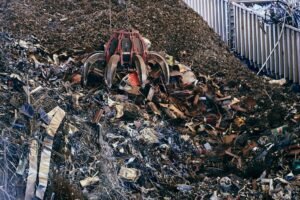
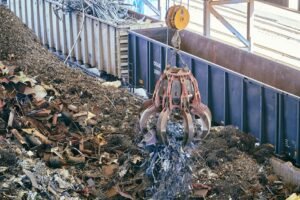
- Collection: Scrap is gathered from construction sites, manufacturing plants, or demolition projects.
- Sorting: Advanced sensors separate stainless steel from ferrous metal and mild steel using Eddy current separators.
- Melting: The material is melted in electric arc furnaces, preserving up to 90% of its original properties.
- Refining: Impurities are removed, and the metal is cast into new products like sheet metal or structural components.
Recycling stainless steel saves 70% of the energy required for virgin production, making it a cornerstone of circular economies.
Environmental Benefits of Recycling Stainless Steel
Recycling reduces environmental impact in three key ways:
- Resource Conservation: Recycling 1 ton of stainless steel preserves 1.5 tons of iron ore and 0.5 tons of chromium.
- Energy Efficiency: Producing recycled stainless steel uses 75% less energy than manufacturing new material.
- Landfill Reduction: Australia generates over 10 million tonnes of scrap steel annually, with recycling diverting much of it from landfills.
By selling scrap stainless steel, you contribute to Australia’s climate goals while earning income from waste materials.
Conclusion: Maximize Profits Through Strategic Selling
Selling scrap stainless steel requires knowledge of grades, market trends, and buyer credibility. By leveraging tools like our calculator and partnering with certified recyclers, you can secure premium rates for your material. Remember to document your process, stay updated on cost of scrap stainless steel, and embrace recycling’s environmental benefits. Whether you’re a small business or large manufacturer, this guide equips you to navigate Australia’s dynamic scrap metal market confidently.
Ready to Sell?
Visit Scrap Trade to compare prices and connect with top recyclers in your region. For direct support, contact ScrapTrade to streamline your next transaction.
Frequently Asked Questions
How do I identify the grade of my stainless steel scrap?
Use a magnet test (304 is non-magnetic when annealed, while 316 may be slightly magnetic) or send samples to a lab for chemical analysis. Recyclers can also help identify grades for a small fee.
What’s the best way to check current stainless steel scrap prices?
Use an online price tracker or contact multiple buyers for quotes. Prices vary by grade and location, so compare options for the highest return.
Do I need any documents to sell stainless steel scrap?
Yes. Prepare business licenses, material analysis reports, and waste permits. Certified recyclers like ScrapTrade can assist with documentation requirements.
How does recycling stainless steel benefit the environment?
Recycling reduces energy use by 75%, conserves raw materials, and cuts landfill waste. For every ton recycled, 1.5 tons of iron ore and 0.5 tons of chromium are saved.