
Navigating the market for sydney copper scraps requires a deep understanding of how metal grades, global market fluctuations, and local environmental regulations intersect. As one of the most valuable non-ferrous metals in the circular economy, copper plays a pivotal role in Australia’s industrial infrastructure. Whether you are a tradesperson, a demolition contractor, or an industrial manufacturer in New South Wales, understanding the nuances of copper recycling is essential for maximizing your financial returns and contributing to sustainable resource management. At Scrap Trade, we provide the tools and data necessary to navigate this complex market, ensuring that every kilogram of metal is accounted for and processed efficiently.
Understanding Copper Grades: What Defines Value?
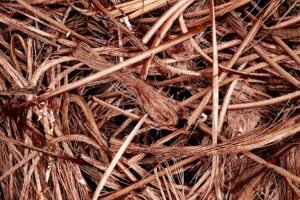
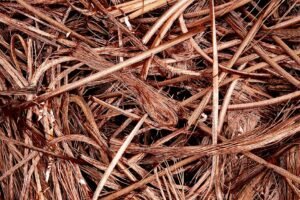
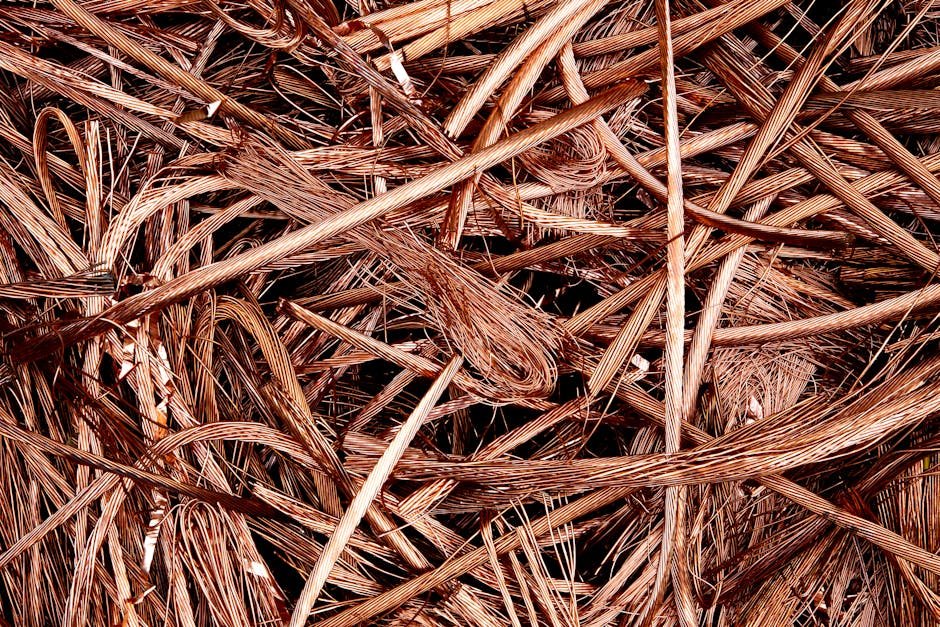
The value of your metal is determined primarily by its grade. In the world of sydney copper scraps, purity is the ultimate currency. Recyclers categorize copper based on its level of contamination, oxidation, and physical state. The most sought-after grade is ‘Bare Bright’ copper, which consists of clean, unalloyed, uncoated, and unalloyed copper wire or cable, free of insulation and oxidation. This material is highly prized because it can be melted down and repurposed with minimal processing.
Following closely is ‘Number 1 Copper,’ which includes clean copper pipe or busbars that are free of solder, paint, or other contaminants. Then comes ‘Number 2 Copper,’ which is perhaps the most common grade found in construction and renovation. Number 2 copper typically contains some impurities, such as solder, paint, or minor oxidation, but it is still highly valuable. If you are looking to understand how these grades impact your bottom line, checking Scrap Copper Prices Near Me is a vital first step. For those managing larger inventories, joining a Copper Scrap Group can provide peer-to-peer insights into local market trends and volume-based pricing strategies.
The Copper Recycling Process in NSW
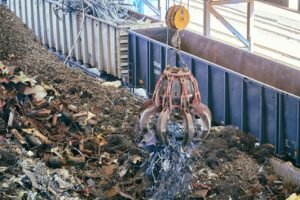
Recycling copper is a sophisticated industrial process that significantly reduces the environmental footprint compared to primary mining. In NSW, the process begins with collection and sorting. Once the material is gathered, it is inspected for contamination. Non-metallic components, such as plastic insulation on copper wire, are removed using mechanical stripping machines or granulators. This separation is crucial, as even small amounts of plastic or other metals can compromise the quality of the final ingot.
After the material is cleaned, it is shredded into smaller pieces to facilitate efficient melting. The shredded metal is then fed into high-temperature furnaces where it is melted down. During the smelting process, any remaining impurities are skimmed off the surface. The molten copper is then cast into ingots, billets, or rods, which are sent back to manufacturers to create new copper pipe, electrical wiring, or electronics. This closed-loop system is the backbone of the professional scrap metal trading platform, ensuring that Australia’s resources remain in use indefinitely.
Maximizing Your Returns: Practical Tips for Sellers
To get the best copper price per kg, preparation is key. Many sellers make the mistake of bringing mixed loads to a recycling center. By separating your copper into distinct grades—bare bright, number 1, and number 2—before you arrive, you ensure that you are paid the highest possible rate for each category. If you mix your high-grade copper with lower-grade materials, the recycler will often pay you the rate of the lowest-grade item in the batch.
Furthermore, removing attachments is essential. If you have scrap copper that still features brass fittings, steel valves, or heavy plastic coatings, take the time to strip these off. While it may seem like extra work, the weight of the steel or plastic is not worth the copper price, and leaving it on can downgrade your entire load. If you are operating in the Sydney metropolitan area, utilizing services that specialize in scrap copper sydney logistics can help you manage large-scale pickups, saving you time and transportation costs. Similarly, if you have contacts interstate, you might find that melbourne copper scraps markets operate with slightly different logistical requirements, which is worth noting if you manage regional operations.
Environmental Benefits of Copper Recycling
The environmental case for recycling copper is undeniable. Copper is 100% recyclable without any loss of its chemical or physical properties. Mining primary copper ore is an energy-intensive process that involves massive land disruption, water usage, and carbon emissions. By choosing to recycle, we reduce the demand for virgin ore, thereby preserving natural landscapes and lowering the carbon footprint of the manufacturing sector.
In New South Wales, the shift toward a circular economy is being driven by both government policy and industry innovation. Every ton of copper recycled saves roughly 85% of the energy that would have been required to produce the same amount from raw ore. This massive energy saving translates into a significant reduction in greenhouse gas emissions. Furthermore, recycling diverts thousands of tons of metal from landfills, preventing heavy metals from leaching into the soil and groundwater. As a participant in the scrap market, you are not just making a profit; you are actively contributing to the preservation of Australia’s environment for future generations.
Safety and Compliance in Scrap Metal Trading
Safety is paramount when handling sydney copper scraps. Copper is heavy, and sharp edges on pipes or stripped wires can cause serious injury. Always wear appropriate personal protective equipment (PPE), including heavy-duty gloves, safety glasses, and steel-toed boots. When transporting scrap, ensure that your load is properly secured to avoid hazards on the road. Compliance with local regulations is equally important. Ensure that the facility you are dealing with is a licensed scrap metal dealer. Licensed dealers are required to follow strict record-keeping procedures to prevent the trade of stolen goods, which protects the integrity of the entire industry.
The Future of the Copper Market in Australia
The global demand for copper is projected to skyrocket over the next decade, driven by the transition to renewable energy and the growth of electric vehicles. Copper is a critical component in EV batteries, charging infrastructure, and wind turbine components. This long-term demand curve suggests that the value of scrap copper will remain robust. For those involved in the industry, staying informed through reliable platforms like Scrap Copper will be critical to navigating market volatility. As the industry evolves, we expect to see more advanced sorting technologies, such as X-ray fluorescence (XRF) and AI-driven robotics, further increasing the efficiency and profitability of the recycling process.
Strategic Planning for Industrial Scrap Management
For large-scale industrial operations, managing scrap is not just about the final sale; it is about logistics and workflow optimization. Many businesses in Sydney generate consistent streams of copper waste. Establishing a relationship with a reliable recycling partner can lead to better pricing, scheduled pickups, and improved site safety. By integrating scrap management into your daily operations, you turn a waste stream into a secondary revenue source. Consider the volume of your waste and the frequency of your production cycles. High-volume generators should negotiate long-term contracts that provide stability against market fluctuations. Always verify that your partner provides transparent weighing and grading protocols, as accuracy at the scale is the single biggest factor in your overall return. Remember that the market is global, and local prices are influenced by the London Metal Exchange (LME). Keeping an eye on these global trends will help you decide when to hold your stock and when to sell for maximum profit.
Conclusion: Turning Waste into Wealth
Recycling sydney copper scraps is a sophisticated endeavor that rewards those who take the time to learn the grades, maintain safety standards, and partner with reputable recyclers. By understanding the difference between bare bright, number 1, and number 2 copper, and by leveraging digital tools to track market prices, you can maximize your returns while supporting a sustainable future. Whether you are a small contractor or a large industrial firm, your participation in the circular economy is vital. Start by auditing your current scrap management practices, separating your metals, and engaging with the resources available at Scrap Trade to ensure you are getting the best value for your materials. Together, we can build a more efficient and environmentally responsible metal recycling industry in Australia.
Frequently Asked Questions
What is the difference between number 1 and number 2 copper?
Number 1 copper is clean, unalloyed, and free of solder or oxidation, such as clean copper pipe. Number 2 copper contains minor impurities like solder, paint, or light oxidation, which slightly lowers its value.
How can I get the best price for my copper scrap in Sydney?
To get the best price, ensure your copper is clean, sorted by grade, and free of non-metallic attachments like plastic or steel. Checking current market rates and building a relationship with a reputable, licensed recycler is also essential.
Is it worth stripping the insulation off copper wire?
Yes, stripping insulation usually increases the value of the copper significantly, as it upgrades the material to ‘bare bright’ or ‘number 1’ grade. However, ensure you have the correct tools to do this safely and efficiently.
Why is copper recycling important for the environment?
Copper recycling saves approximately 85% of the energy required to mine and refine virgin ore. It also reduces landfill waste and minimizes the habitat destruction associated with primary copper mining.