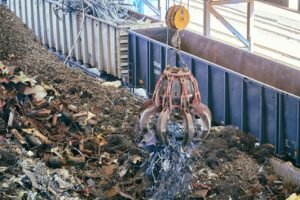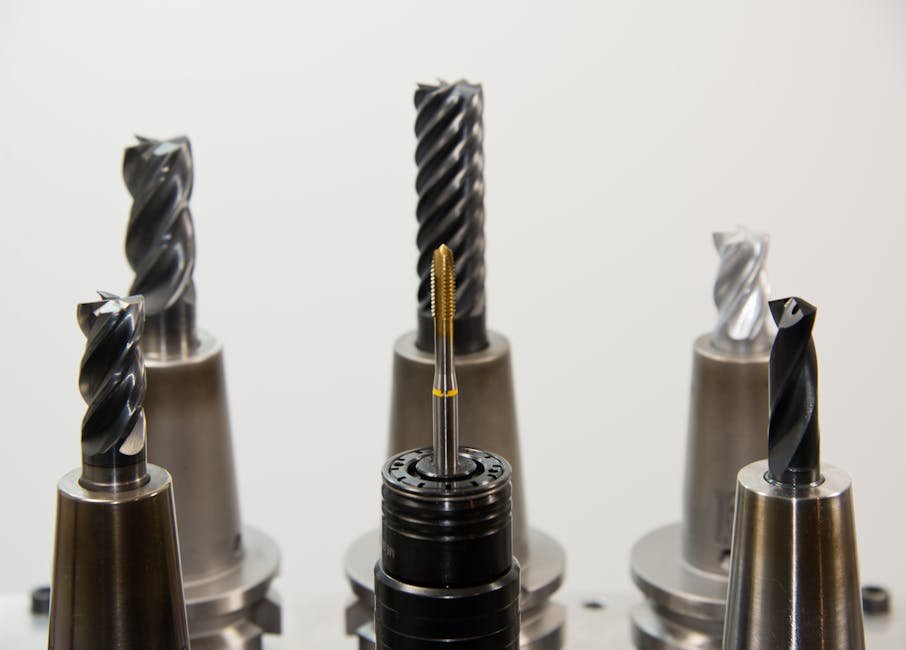

Understanding the intricacies of carbide insert recycling is essential for any business operating within the Australian machining, manufacturing, or automotive sectors. Tungsten carbide is a critical industrial material, prized for its extreme hardness and thermal resistance. Because these materials are non-renewable and resource-intensive to mine, the circular economy surrounding carbide scrap is both environmentally vital and financially lucrative for those who know how to manage their waste streams effectively.
The Economic and Environmental Importance of Carbide Recovery
In the modern manufacturing landscape, the demand for tungsten continues to outpace primary production. By engaging in consistent carbide insert recycling, businesses reduce their reliance on virgin ore, which is often sourced from geopolitically sensitive regions. Beyond the ethical considerations, there is a substantial financial incentive. Carbide scrap holds significant value due to the cobalt binder and tungsten content, often fetching prices per kilogram that far exceed standard ferrous scrap metal.
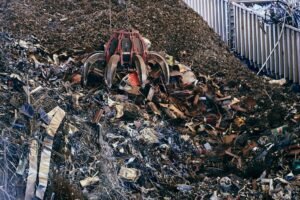
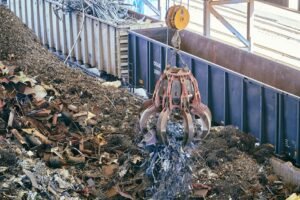
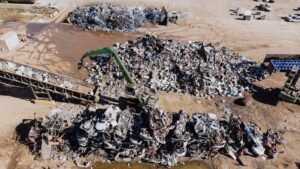
When you choose to recycle your inserts, you are participating in a sophisticated supply chain that transforms “end of life” tooling back into high-performance equipment. This process is not limited to standalone machine shops; it often intersects with the broader Australian scrap metal market, where industrial waste is consolidated and processed. Whether you are dealing with small batches of mill inserts or large-scale industrial debris, the recovery process remains a cornerstone of sustainable manufacturing in Australia.
Understanding the Lifecycle of Carbide Tools
To maximize your returns, you must understand the material composition of what you are handling. Carbide inserts are typically composed of tungsten carbide (WC) particles held together by a cobalt binder. During the machining process, these tools degrade, crack, or lose their edge, reaching their end-of-life state. In the context of carbide recycling, it is crucial to separate these high-value materials from lower-grade steel or contaminated scrap.
Many businesses that handle carbide inserts recycling often overlook the importance of segregation. If carbide is mixed with high-speed steel (HSS) or ceramic inserts, the value of the entire batch drops significantly. Expert recyclers recommend using magnetic sorting as a first step—pure tungsten carbide is generally non-magnetic, whereas many steel-based tools will react to a magnet. By maintaining clean, sorted streams of material, you ensure that you receive the highest market rate for your scrap.
Integrating Carbide Scrap into Broader Recycling Streams
The scope of metal recovery extends far beyond the machine shop floor. In the automotive industry, for example, the lifecycle of auto parts often leads to complex recycling challenges. When vehicles reach their end of life vehicle (ELV) status, they are processed by car wreckers who focus on stripping valuable components. While the bulk of a vehicle is steel or aluminum, specialized cutting tools used in the engine rebuilding or component repair processes contribute to the pool of available carbide scrap.
Effective vehicle recycling systems are increasingly incorporating industrial carbide recovery as part of their operational efficiency. If you are looking for local facilities to manage these materials, you can find a Scrap Metal Recycling Near Me to streamline your logistics. By partnering with a reputable scrap metal trading platform, you can ensure that your materials are handled according to the highest industry standards, ensuring both transparency and fair pricing.
Best Practices: How to Recover, Sell, and Profit
Maximizing profit requires a strategic approach to collection. For a deep dive into the logistics and financial strategies of this industry, refer to our guide on Carbide Recycling How To Recover Sell And Profit. The key is to implement a “cradle-to-grave” management system within your facility. This includes designating specific bins for carbide inserts, preventing cross-contamination, and educating staff on the value of the material they are handling.
Furthermore, joining a Recycling Community can provide invaluable insights into market fluctuations and emerging technologies in the recycling sector. Networking with other professionals allows you to stay ahead of price trends and discover better methods for sorting and preparing your scrap for sale. Remember, the cleaner the material, the higher the profit margin. Always aim to remove excess grease, oil, and non-carbide attachments before shipping your scrap to a processing facility.
Technical Processes: From Scrap to New Tools
The transformation of used carbide into new tools is a marvel of modern chemistry. Once the material is collected, it undergoes one of two primary processes: the zinc-melt process or the chemical process. In the zinc-melt process, the carbide is submerged in molten zinc, which dissolves the cobalt binder and causes the material to crumble into a powder. This powder is then processed to remove the zinc and re-sintered into new shapes.
The chemical process is more intensive, involving the total dissolution of the carbide into its base elements, which are then purified and reconstituted. This is why carbide insert recycling is so critical; it allows the industry to recover the tungsten and cobalt in a state that is virtually indistinguishable from virgin material. This closed-loop system is the gold standard for sustainability in the Australian manufacturing sector, reducing the environmental footprint of every new tool produced.
Logistics and Regulatory Compliance in Australia
Operating within the Australian regulatory framework requires strict adherence to environmental and waste management laws. When transporting industrial scrap, ensure that your documentation is accurate, particularly regarding the classification of the material. Carbide is generally considered a non-hazardous industrial metal, but it must be managed correctly to prevent soil contamination or local environmental issues. Always work with licensed facilities that provide certified weighing and transparent reporting.
By maintaining a professional standard in your recycling operations, you not only protect your business from potential liabilities but also build a reputation as a responsible player in the industrial ecosystem. Whether you are a small workshop or a large manufacturing plant, the principles of carbide insert recycling remain the same: sort, store, and sell with precision to maximize your returns and minimize your environmental impact.
Future Trends in Tungsten Recovery
The future of the industry is leaning toward increased automation in sorting and more efficient hydrometallurgical recovery methods. As global demand for tungsten grows, we expect to see more sophisticated, localized recycling centers appearing across Australia. This will decrease the carbon footprint associated with transporting scrap long distances. Staying informed about these developments will allow your business to adapt and continue profiting from your waste streams as the market evolves.
In conclusion, the recovery of carbide inserts is a vital component of the modern Australian economy. By treating your scrap as a valuable asset rather than waste, you contribute to a more sustainable future while boosting your bottom line. Use the resources provided here to refine your processes and engage with the broader recycling network to ensure you are getting the best value for your materials.
Frequently Asked Questions
Why should I separate carbide inserts from other scrap metals?
Carbide is a high-value material containing tungsten and cobalt. Mixing it with steel or other metals lowers its purity and results in a significantly lower price per kilogram.
What is the most common way to identify carbide scrap?
The most reliable method is using a magnet; pure tungsten carbide is non-magnetic, whereas most steel tools will be magnetic. Additionally, carbide is significantly heavier and denser than steel of a similar size.
How does the zinc-melt process work?
The zinc-melt process involves submerging carbide scrap in molten zinc, which dissolves the cobalt binder. This causes the carbide to break down into a powder that can be easily processed and reused to create new tools.
Is there a minimum quantity required to sell carbide scrap?
Most professional scrap metal buyers accept various quantities, but you will get better pricing and logistical support if you accumulate larger, well-sorted batches of material.