
When it comes to copper recycling Dubbo, understanding the nuances of the scrap metal market is essential for both commercial contractors and residential recyclers. As a pivotal hub in regional New South Wales, Dubbo offers significant opportunities for individuals and businesses to turn discarded metallic waste into a sustainable revenue stream. Whether you are clearing out a construction site or managing industrial electrical waste, knowing how to identify, sort, and process your materials is the difference between a minor payout and a significant financial gain.
The Economic Importance of Copper Recycling in Dubbo
Copper is one of the most highly sought-after industrial metals globally due to its exceptional conductivity, durability, and infinite recyclability. In the context of copper recycling Dubbo, the local economy benefits significantly from the circularity of this resource. By diverting copper from landfills, we reduce the energy-intensive demand for mining virgin ore, which requires massive amounts of water and chemical processing. For the local tradesperson, copper scrap represents a hidden asset. Whether you are dealing with plumbing offcuts or old electrical cabling, these items hold intrinsic value that fluctuates based on global commodity markets. Engaging with a professional scrap metal trading platform ensures that your materials are processed according to the highest environmental standards, contributing to a greener future for the Orana region.
Understanding Copper Grades and Market Value
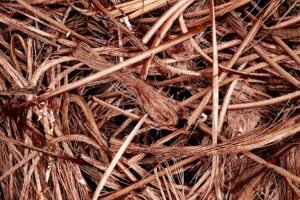
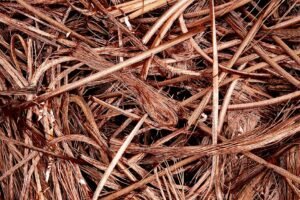
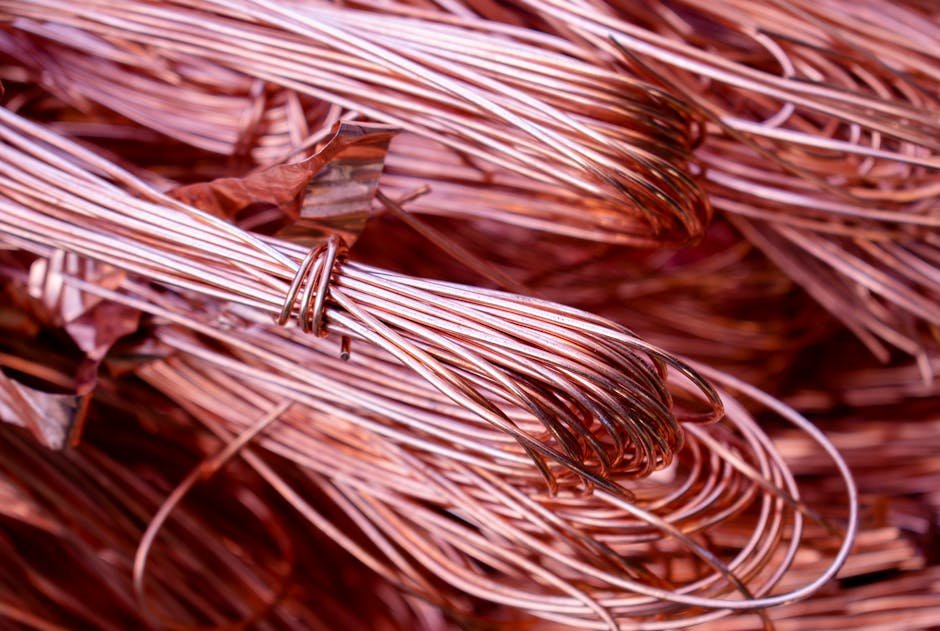
To maximize your profit, you must understand how scrap yards grade material. The copper price per kg is heavily dependent on the purity and condition of the metal. The most valuable category is bare bright copper, which consists of clean, unalloyed, uncoated copper wire that is free of insulation and oxidation. Because it requires minimal processing to be melted down, it commands the highest market rate. Conversely, number 2 copper includes wire or pipe that may have slight oxidation, solder, or paint, making it less pure and therefore lower in value. When preparing your scrap, always aim to strip plastic insulation from copper wire to move it from a lower-grade category to a higher one. Similarly, clean copper pipe, free of brass fittings or heavy calcification, will always fetch a better price than contaminated pieces. If you are unsure about the classification of your stash, our Recycling Community is an excellent resource for verifying grades and sharing tips with other experienced scrappers.
How to Prepare Your Scrap for Maximum Returns
Preparation is the secret weapon of the high-earning recycler. If you are bringing materials to a facility for copper recycling Dubbo, the state of your load dictates your bottom line. Start by segregating your metals. Never mix copper with steel, aluminum, or brass, as cross-contamination can downgrade your entire load to the lowest common denominator price. Invest in basic tools like a wire stripper, which can pay for itself within a few trips to the yard. For large-scale demolition projects, consider the logistics of transport; bulky items like industrial transformers or heavy-gauge copper busbars should be organized to minimize handling time. For those looking for local drop-off points, check our directory for Scrap Metal Recycling Near Me to find the most efficient route. Remember that clean, sorted, and weighed materials are processed much faster, ensuring you get back to your job site or business operations without unnecessary delays.
The Lifecycle of Recycled Copper
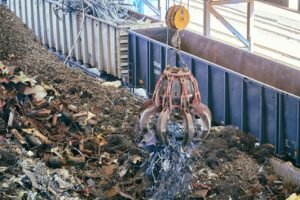
Once you drop off your scrap, it enters a fascinating industrial journey. The material is first weighed and inspected for quality. If the copper is insulated, it may be fed through a granulator, which chops the wire and uses air separation to remove the plastic casing. The resulting clean copper granules are then melted in furnaces to create new copper ingots or rods. These are sold back into the manufacturing sector to create everything from renewable energy infrastructure, such as wind turbine components, to high-end electronics and plumbing supplies. This closed-loop system is the backbone of the modern economy. By participating in this process, you are not just making money; you are participating in a vital global supply chain. For those operating in other parts of the state, we also provide resources for copper recycling revesby and copper recycling campbelltown, ensuring that no matter where you are, you have access to the best market insights and professional scrap management services.
Safety and Environmental Best Practices
Safety should always be the priority when handling scrap metal. Copper can have sharp edges, and old electrical cables may contain hazardous materials if not handled correctly. Always wear heavy-duty gloves and protective eyewear when stripping wire or cutting pipe. Furthermore, be aware of the environmental impact of your scrap. Avoid burning plastic-coated wire to remove insulation, as this releases toxic fumes and is illegal in many jurisdictions. Instead, use mechanical stripping methods. Responsible recycling is not just about the profit; it is about maintaining the integrity of our local environment. By choosing a reputable scrap metal trading platform, you ensure that your materials are handled in compliance with Australian environmental regulations, preventing heavy metals from leaching into the soil or water table.
Tracking Trends in the Copper Market
The copper market is famously volatile, often viewed by economists as a barometer for global health—earning it the nickname “Dr. Copper.” When the construction and manufacturing sectors are booming, demand for copper rises, pushing prices up. Conversely, economic slowdowns can lead to price corrections. For the savvy recycler, keeping an eye on the London Metal Exchange (LME) or local scrap indices is a smart move. While you cannot control the market, you can control when you sell. If you have the storage capacity, holding onto your scrap during a market dip and selling during a peak can significantly increase your annual revenue. Use our platform to stay updated on industry trends and ensure you are selling your Scrap Copper at the optimal time.
Logistics for Large-Scale Commercial Scrap
For commercial entities, contractors, and demolition companies, the logistics of managing scrap are different. You aren’t just dealing with a few kilograms; you are dealing with tonnes. Efficient scrap management requires a strategy. We recommend establishing a dedicated area on your site for scrap segregation. Use clearly labeled bins for different grades of copper. When you reach a certain volume, contact a professional service to arrange for a hook-lift bin or a scheduled pickup. This prevents your site from becoming cluttered, improves workplace safety, and ensures that you are regularly liquidating your scrap assets to improve cash flow. By treating your scrap as a managed revenue stream rather than a waste disposal nuisance, your business can significantly offset its operational costs.
Future Outlook for the Recycling Industry
The future of copper recycling is bright. As the world transitions toward electric vehicles (EVs) and decentralized renewable energy, the demand for copper is expected to skyrocket. EVs require significantly more copper than traditional internal combustion engine vehicles, and solar arrays require massive amounts of copper cabling. This long-term demand curve suggests that the value of your scrap will remain high for the foreseeable future. By investing time in learning the trade now, you are positioning yourself to benefit from this long-term industrial shift. Whether you are a hobbyist or a commercial operator, the principles of high-quality sorting and professional engagement remain the same. Continue to educate yourself, use the tools available on our site, and stay connected with the local industry to ensure you are always ahead of the curve.
Conclusion
Mastering copper recycling Dubbo is a blend of industry knowledge, logistical efficiency, and market awareness. By understanding the differences between bare bright, number 2 copper, and other grades, you can ensure that you are always receiving the fair market value for your efforts. Remember that every kilogram of copper you recycle is a contribution to a more sustainable and efficient Australian economy. Utilize the resources available on our site, keep your scrap clean and sorted, and stay informed on market fluctuations to maximize your returns. We are here to support your journey, providing the data and connections you need to succeed in the scrap metal industry. Start today by organizing your site, separating your materials, and engaging with the professional recycling network that powers the growth of our local and national infrastructure.
Related: Scrap Copper
Frequently Asked Questions
What is the difference between bare bright copper and number 2 copper?
Bare bright copper is clean, unalloyed wire that is free of insulation and oxidation, making it the highest-value grade. Number 2 copper includes wire or pipe that has some oxidation, solder, or paint, which requires more processing and thus commands a lower price.
How can I get the best copper price per kg in Dubbo?
To get the best price, ensure your copper is clean and sorted by grade. Removing all insulation from wires and separating copper from other metals like brass or steel will significantly increase the value of your scrap load.
Is it legal to burn plastic-coated copper wire to remove the insulation?
No, burning plastic-coated wire is illegal in most areas because it releases toxic chemicals into the air and soil. You should use a mechanical wire stripper to remove insulation safely and legally.
Why does the copper price change so frequently?
Copper prices are driven by global supply and demand, often influenced by the construction, automotive, and technology sectors. As a global commodity, it is traded on international exchanges, causing daily fluctuations that impact local scrap yard buy-back rates.