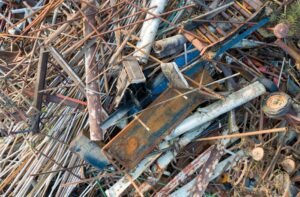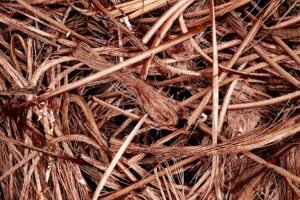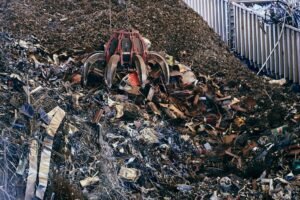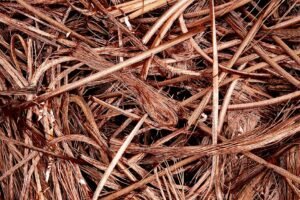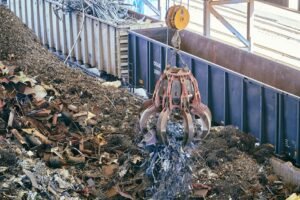

As a steel collector, you are at the forefront of the recycling industry, responsible for collecting and processing various types of steel, including ferrous metal, mild steel, and sheet metal. In this article, we will delve into the world of steel collectors, exploring their role, responsibilities, and best practices for responsible steel collection and recycling.
Overview of Steel Collectors in Australia
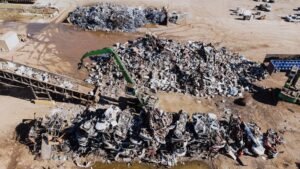
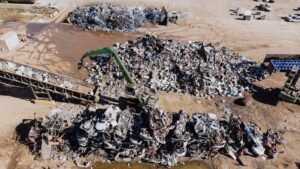
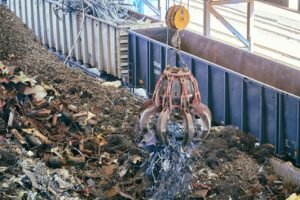
Steel collectors, also known as scrap metal collectors, play a vital role in the Australian recycling industry. They are responsible for collecting and processing various types of steel, including ferrous metal, mild steel, and sheet metal. The steel collection process involves gathering scrap steel from various sources, such as construction sites, factories, and households, and then processing it into a raw material that can be reused or recycled.
The steel collection industry is a significant contributor to Australia’s economy, with many steel collectors operating across the country. According to the Australian Steel Institute, the steel recycling industry generates over $1 billion in revenue each year and creates over 10,000 jobs.
Types of Steel Collected by Steel Collectors
Steel collectors collect various types of steel, including ferrous metal, mild steel, and sheet metal. Ferrous metal, also known as iron and steel, is the most common type of metal collected by steel collectors. It is used in a wide range of applications, including construction, manufacturing, and automotive industries.
Mild steel, also known as low-carbon steel, is another type of steel collected by steel collectors. It is known for its strength, durability, and versatility, making it a popular choice for various applications, including construction, packaging, and manufacturing.
Sheet metal, on the other hand, refers to thin metal sheets used in a wide range of applications, including construction, automotive, and manufacturing industries. Steel collectors collect various types of sheet metal, including galvanized steel, stainless steel, and aluminum.
The Importance of Responsible Steel Collection Practices
Responsible steel collection practices are essential for maintaining a sustainable and environmentally friendly recycling industry. Steel collectors must ensure that the steel they collect is properly sorted, processed, and recycled to minimize waste and protect the environment.
Steel collectors must also adhere to strict regulations and guidelines set by the Australian government to prevent the export of contaminated or hazardous waste. This includes ensuring that the steel collected is free from contaminants, such as lead, mercury, and cadmium, which can harm the environment and human health.
Additionally, steel collectors must implement best practices for handling and processing steel to minimize waste and reduce the risk of accidents. This includes using proper equipment, following safety protocols, and ensuring that the steel is properly stored and transported.
Steel Scrap Grading and Pricing
Steel scrap grading and pricing are critical components of the steel collection and recycling industry. Steel collectors must accurately grade and price the steel they collect to ensure that they receive fair compensation for their efforts.
According to the Australian Steel Institute, steel scrap is graded and priced based on its type, size, and quality. The most common grades of steel scrap include #1 Heavy Melting Steel (HMS), #2 HMS, and #3 HMS. The prices for these grades vary depending on the type and quality of the steel.
For example, the current price for #1 HMS is around $450 per tonne, while the price for #2 HMS is around $350 per tonne. The price for #3 HMS is around $250 per tonne. Steel collectors must ensure that they accurately grade and price the steel they collect to maximize their revenue.
It’s worth noting that steel scrap prices can fluctuate depending on market demand and supply. Steel collectors must stay up-to-date with the latest prices and market trends to ensure that they receive fair compensation for their efforts.
For more information on steel scrap prices, please visit our article on Steel Scrap Grading 1 Prepared 2 Prepared Shredded.
Steel Scrap Baling and Processing Services
Steel scrap baling and processing services are essential for the steel collection and recycling industry. Steel collectors must ensure that the steel they collect is properly baled and processed to minimize waste and reduce the risk of accidents.
According to the Australian Steel Institute, steel scrap baling involves compressing the steel into compact bundles, known as bales. The bales are then transported to steel processing facilities, where they are melted and recycled into raw materials.
Steel collectors can access steel scrap baling and processing services through various providers, including Steel Scrap Baling Processing Services Australia. These services can help steel collectors streamline their operations, reduce waste, and increase revenue.
Best Practices for Steel Collectors
Steel collectors must adhere to best practices to ensure responsible steel collection and recycling practices. Some of the best practices for steel collectors include:
- Accurately grading and pricing steel scrap
- Implementing proper handling and processing procedures
- Ensuring that steel is properly stored and transported
- Complying with regulations and guidelines set by the Australian government
Steel collectors can also benefit from implementing best practices for customer service, including:
- Providing accurate and timely quotes
- Ensuring that customers receive fair compensation for their steel
- Implementing efficient and reliable collection and processing services
Conclusion
In conclusion, steel collectors play a vital role in the Australian recycling industry. They are responsible for collecting and processing various types of steel, including ferrous metal, mild steel, and sheet metal. To maintain a sustainable and environmentally friendly recycling industry, steel collectors must adhere to responsible steel collection practices, including accurate grading and pricing, proper handling and processing procedures, and compliance with regulations and guidelines set by the Australian government.
By following best practices and staying up-to-date with the latest market trends and prices, steel collectors can maximize their revenue and contribute to a more sustainable and environmentally friendly recycling industry.
For more information on steel scrap prices, please visit our article on Stainless Steel Scrap Price.
Steel collectors can also visit our article on Shop Steel to learn more about the industry and how to get started as a steel collector.
Additionally, steel collectors can visit our article on SS316 Stainless Steel to learn more about this type of steel and its uses.
For more information on steel scrap baling and processing services, please visit our article on Steel Scrap Baling Processing Services Australia.
Steel collectors can also visit our article on Steel Scrap Grading 1 Prepared 2 Prepared Shredded to learn more about steel scrap grading and pricing.
Australian buyers and sellers – visit scraptrade.com.au.
Related: shop steel
Related: ss316 stainless steel
Frequently Asked Questions
What is the role of steel collectors in the Australian recycling industry?
Steel collectors play a vital role in the Australian recycling industry, collecting and processing various types of steel, including ferrous metal, mild steel, and sheet metal.
What are the best practices for steel collectors?
Steel collectors must adhere to best practices, including accurate grading and pricing, proper handling and processing procedures, and compliance with regulations and guidelines set by the Australian government.
What is the current price for #1 HMS steel scrap?
The current price for #1 HMS steel scrap is around $450 per tonne.
Where can steel collectors access steel scrap baling and processing services?
Steel collectors can access steel scrap baling and processing services through various providers, including Steel Scrap Baling Processing Services Australia.