
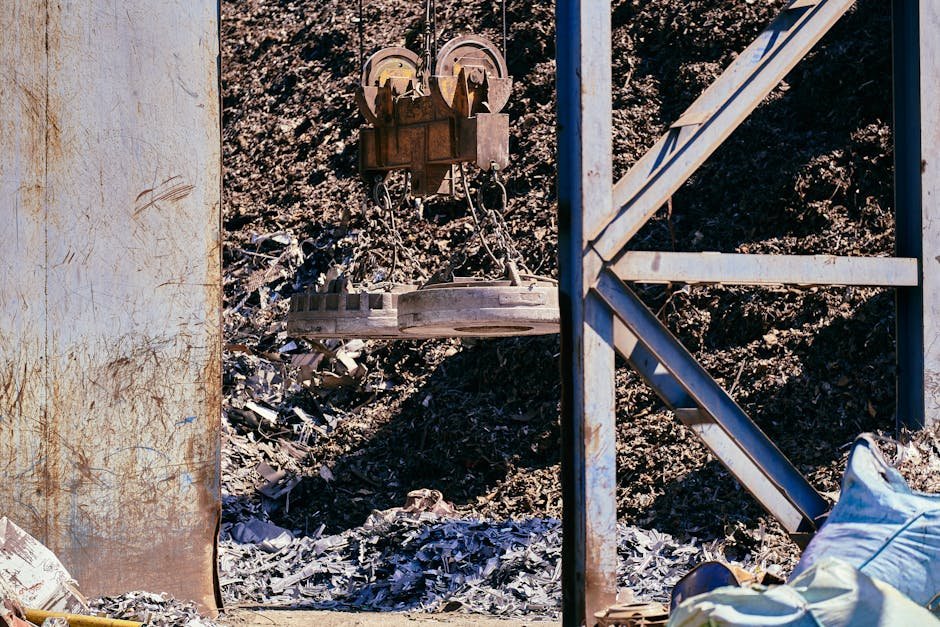

When considering the landscape of steel recycling Tasmania, it is essential to understand that the state plays a vital role in Australia’s broader industrial sustainability efforts. From the bustling industrial zones of Hobart and Launceston to the remote regional hubs, the collection and processing of scrap steel are foundational to reducing the environmental impact of mining virgin ore. Whether you are a commercial contractor, a demolition expert, or a private individual, understanding the nuances of the market is key to efficient waste management.
The Economic and Environmental Importance of Steel Recycling
Steel is the most recycled material on the planet, and for good reason. Unlike many other materials that degrade in quality during the recycling process, steel can be melted down and reformed indefinitely without losing its structural integrity. In Tasmania, the steel recycling industry serves as a crucial link in the supply chain, converting discarded ferrous metal into high-value raw materials. By diverting scrap from landfills, we reduce the energy-intensive demand for iron ore mining and coal-fired blast furnaces.
When you engage in responsible recycling, you are contributing to a global shift toward a circular economy. The process begins with the identification of metal types. For instance, mild steel, which is the most common form of steel used in construction and automotive manufacturing, is highly sought after by recyclers. Because it is relatively easy to process and refine, it remains a staple in the scrap market. If you are looking for local facilities, exploring Metal Recycling Near Me can help you identify the best drop-off points for your materials.
Furthermore, the volatility of the global commodities market often influences the steel price per tonne. Understanding these fluctuations allows stakeholders to time their scrap disposal for maximum return. By participating in the Recycling Community, you gain access to shared knowledge, price trends, and best practices for material sorting, which is essential for ensuring your scrap meets the quality standards required by mills.
Types of Scrap Steel: Identifying Your Materials
Not all steel is created equal. To get the best value and ensure your scrap is processed correctly, you must be able to distinguish between different grades and forms. The most common category handled in steel recycling Tasmania is ferrous metal—metals that contain iron and are magnetic. This includes everything from heavy structural beams to thin sheet metal.
Sheet metal is frequently found in roofing, vehicle body parts, and appliance casings. Because of its large surface area and relatively low thickness, it is often baled into dense cubes to make transportation more efficient. In contrast, heavy structural steel requires specialized cutting equipment, such as hydraulic shears or plasma torches, to be reduced to a size compatible with furnace dimensions.
If you are unsure about the classification of your scrap, it is always best to consult with experts. While you might be familiar with specific regional sites like steel recycling minto or steel recycling artarmon for national context, the principles of sorting remain universal. Always separate your non-ferrous metals (like copper, aluminum, and brass) from your steel, as mixing these materials can significantly lower the value of your entire load.
How the Steel Recycling Process Works in Tasmania
The journey from a discarded item to a new steel product is a multi-stage process. First, the material is collected and transported to a processing facility. Here, the scrap is weighed and inspected for contaminants. Contamination—such as plastic, concrete, or hazardous materials—is the primary enemy of efficient recycling. It not only lowers the value of the scrap but can also damage furnace linings during the smelting process.
Once sorted, the steel is processed through shredders or shears. Shredding is particularly effective for mixed scrap, as it breaks the material into fist-sized pieces, allowing for magnetic separation of the ferrous steel from other materials. After shredding, the steel is ready to be sold to domestic foundries or exported to international markets. You can find comprehensive resources on how to prepare your scrap by visiting the leading scrap metal trading platform for industry standards.
For those managing large volumes of scrap, efficiency is paramount. Using a professional Scrap Metal Recycling Near Me service can provide logistical support, including bin hire and scheduled pickups. This is particularly important for demolition sites where space is at a premium and safety is a priority.
Maximizing Your Returns: Understanding Market Dynamics
The steel price per tonne is never static. It is influenced by domestic construction activity, global iron ore prices, and the cost of energy. In Tasmania, transportation costs also play a significant role. Because the state is geographically separated from the mainland, the cost of shipping processed scrap to major smelting hubs can impact the price offered at the gate.
To maximize your returns, consider the following strategies:
- Sort at the Source: Keep your steel separate from other metals. Clean steel fetches a higher price than mixed, contaminated loads.
- Volume Matters: Larger quantities often qualify for better pricing tiers. If you are a small operator, consider accumulating your scrap before making a trip to the recycling center.
- Monitor the Market: Keep an eye on industry news via our dedicated Australian scrap trading portal to understand when prices are trending upward.
- Preparation: Remove non-metal attachments like rubber seals, plastic handles, or glass windows to ensure your scrap is “clean.”
By treating scrap as a commodity rather than waste, you transform an expense into a revenue stream. This mindset is what drives the success of the modern scrap industry.
Safety and Environmental Compliance
Safety is the cornerstone of the metal recycling industry. Dealing with heavy machinery, sharp edges, and high-voltage equipment requires strict adherence to safety protocols. Whether you are handling heavy-gauge structural steel or light sheet metal, always wear appropriate personal protective equipment (PPE), including gloves, steel-toed boots, and eye protection.
Environmental compliance is equally critical. In Tasmania, strict environmental regulations govern how scrap yards operate to prevent groundwater contamination from oils, coolants, or batteries that may have been attached to the scrap. Reputable recyclers invest in advanced filtration systems and spill containment to ensure their operations do not harm the local ecosystem. When choosing a partner for steel recycling Tasmania, always verify that they hold the necessary licenses and operate in accordance with state environmental protection agency guidelines.
Future Trends: Technology and Sustainability
The future of steel recycling is becoming increasingly high-tech. Innovations such as X-ray fluorescence (XRF) sorting allow for the precise identification of alloy compositions, ensuring that high-grade steel is recycled back into high-grade products rather than being down-cycled into lower-quality materials. Furthermore, the push toward ‘green steel’—produced using hydrogen instead of coal—will rely heavily on the availability of high-quality scrap metal as a feedstock.
As we look toward 2030, the integration of digital tracking for scrap metal will likely become standard. This will provide transparency in the supply chain, allowing manufacturers to certify the recycled content of their products, which is becoming a requirement for many government and commercial contracts. Being part of this shift means adopting better record-keeping and focusing on the purity of the scrap you provide.
Logistics and Regional Challenges in Tasmania
Tasmania presents a unique logistical environment for scrap recycling. The state’s geography, characterized by mountainous terrain and smaller regional centers, requires a hub-and-spoke model for collection. Smaller collection points act as feeders for the larger processing facilities located in the major urban centers. Understanding these logistical chains can help you choose the right partner for your project.
If you are operating in a remote area, look for recyclers that offer mobile shearing or baling services. These services can significantly reduce the cost of transporting scrap by increasing the density of the load, allowing you to move more material in fewer trips. Always communicate your volume and location clearly to your recycling partner to ensure they can provide the appropriate equipment for your needs.
The Role of the Individual in the Recycling Chain
While large-scale industrial scrap drives the volume of steel recycling Tasmania, individuals and small businesses are essential for the recovery of household and small-scale commercial steel. Every kilogram of steel recovered from a shed clean-out or a small renovation project contributes to the state’s diversion targets. By taking the time to separate your steel from your general waste, you are actively participating in the preservation of Tasmania’s natural beauty and the conservation of global resources.
Education is the next step. By sharing information about what can and cannot be recycled, you help maintain the quality of the scrap pool. For instance, many people are surprised to learn that items like old lawnmowers, bicycles, and even rusted garden tools are valuable scrap. Encouraging your neighbors and colleagues to recycle these items creates a positive ripple effect throughout the community.
Conclusion
Steel recycling is more than just a business; it is a fundamental pillar of modern industrial society. In Tasmania, the industry is poised for growth as the demand for sustainable materials increases. By understanding the value of ferrous metal, staying informed about market prices, and partnering with reputable recycling facilities, you can make a meaningful contribution to the environment while securing a financial return. Whether you are dealing with mild steel, sheet metal, or heavy industrial scrap, the path to efficient recycling starts with knowledge and ends with action. Embrace the circular economy and help shape a cleaner, more efficient future for Tasmania.
Frequently Asked Questions
What items are considered ferrous metal for recycling?
Ferrous metals are those that contain iron and are magnetic. Common examples include mild steel, structural beams, sheet metal, iron pipes, and old automotive parts.
How can I find the current steel price per tonne in Tasmania?
Steel prices fluctuate based on global demand and local logistics. You can monitor industry trends through our dedicated scrap trading portal or by contacting local yards directly for current gate prices.
Do I need to clean my scrap steel before taking it to a recycler?
Yes, cleaning your scrap by removing non-metal attachments like plastic, rubber, or glass significantly increases its value. Contaminated loads are often rejected or priced at a much lower rate due to the cost of processing.
Why is steel recycling Tasmania important for the environment?
Recycling steel significantly reduces the need for energy-intensive iron ore mining and coal-burning blast furnaces. It conserves natural resources and prevents large volumes of metal from ending up in Tasmanian landfills.











