
Navigating the complex landscape of recycling buyers in Australia requires a blend of market knowledge, logistical planning, and a clear understanding of material grading. Whether you are a trade contractor, a demolition expert, or a household recycler, identifying the right partner is essential to maximizing your returns and ensuring environmental compliance. This guide serves as your authoritative resource for everything related to metal trading, from understanding global pricing fluctuations to optimizing your collection for profit.
Understanding the Role of Professional Metal Buyers
When you engage with professional metal buyers, you are entering a sophisticated global supply chain. These entities act as the bridge between raw scrap and the manufacturing industry. A reputable scrap buyer does more than just weigh your load; they provide technical expertise in alloy identification, sorting advice, and market forecasting. In the Australian market, the value of your scrap is heavily influenced by the London Metal Exchange (LME) and domestic demand for recycled commodities.
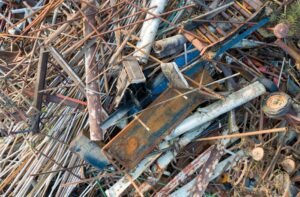
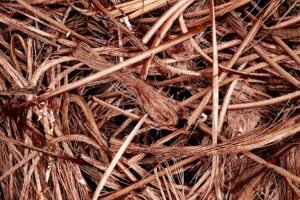
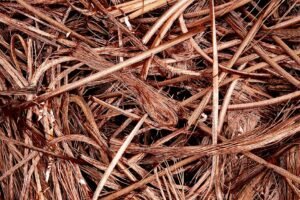
To ensure you are getting the best value, it is important to understand the hierarchy of scrap metal. Ferrous metals, such as steel and iron, are traded in high volumes but at lower price points per kilogram. Non-ferrous metals, including aluminum, lead, brass, and copper, carry significantly higher value. If you are dealing with high-value materials, you should specifically look for specialized copper buyers who have the equipment to process and refine these metals efficiently. Engaging with a specialized scrap trading platform can help you connect with these niche experts, ensuring your materials are valued correctly based on their purity and grade.
How to Find Trusted Dealers in Your Region
Finding a reliable partner is the most critical step in the recycling process. You should prioritize transparency and professionalism. When searching for where to find the best partners, consider factors like proximity, payment terms, and facility certification. If you are looking for local options, our Scrap Metal Recycling Near Me directory provides a curated list of vetted facilities across the country. A trusted dealer will always provide a clear breakdown of your load, showing the weight of each material category separately.
Beyond simple proximity, look for dealers who are active members of the wider Recycling Community. These professionals are more likely to adhere to strict environmental standards, offer competitive market-linked pricing, and maintain modern, calibrated weighing equipment. Avoid dealers who are unwilling to explain their grading process or those who offer pricing significantly higher than the current market average, as these are often red flags for unscrupulous business practices. For those operating on a larger scale, visiting our industrial portal can provide further insights into commercial-grade trading requirements.
The Economics of Scrap: Pricing and Market Dynamics
The price you receive for your scrap is never static. It fluctuates based on global supply, geopolitical stability, and the cost of energy required to melt down and refine the metal. As a seller, your goal is to time your sales to coincide with market highs. While it is impossible to predict the market perfectly, staying informed about copper recycling trends and other non-ferrous material movements will give you a significant advantage.
Professional recycling buyers use a pricing formula that accounts for processing costs, transportation, and the final yield of the refined metal. When you sell, ask for the ‘spot price’ and understand if there are any deductions for contaminants. For instance, ‘clean’ copper pipe is worth more than ‘dirty’ copper with solder or plastic insulation attached. By investing time in cleaning and sorting your materials before you arrive at the yard, you effectively increase your profit margin. This ‘value-add’ approach is what separates casual recyclers from professional traders.
The Step-by-Step Recycling Process
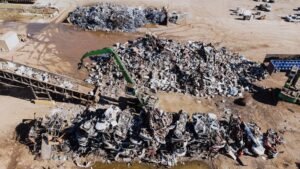
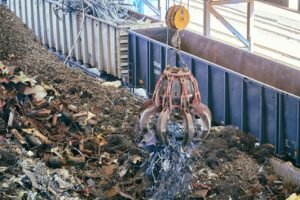
Understanding what the process involves helps you prepare your materials for maximum return. The journey of a piece of scrap metal from your site to a new product follows a standardized path: collection, inspection, sorting, processing, and melting. When you arrive at a facility, the first step is weighing your vehicle on a certified weighbridge. Once the gross weight is recorded, your materials are inspected for quality and contamination.
Sorting is the most vital stage. Advanced facilities use X-ray fluorescence (XRF) analyzers to determine the exact chemical composition of metal alloys. This ensures that high-grade materials are not downgraded due to the presence of ‘tramp’ elements like iron or zinc. After sorting, the metal is often shredded or sheared to reduce its volume for easier transport. Finally, it is melted down into ingots or billets, which are then sold to manufacturers to create new products. By understanding this, you can see why providing ‘clean’ scrap is so highly valued by buyers.
Safety and Compliance in Metal Trading
Safety is paramount when handling, transporting, and selling scrap metal. Many scrap items, particularly from demolition sites, can be hazardous. Always wear appropriate personal protective equipment (PPE), including gloves and steel-toed boots, when handling heavy or sharp materials. Furthermore, ensure your vehicle is loaded safely, with weight distributed evenly to prevent accidents during transport.
Compliance with Australian law is also non-negotiable. Reputable recycling buyers are required to follow strict ‘Know Your Customer’ (KYC) regulations, which may involve providing photo identification and proof of ownership for large or suspicious loads. This is a positive measure that helps prevent the trade of stolen goods and ensures the integrity of the recycling industry. Always choose to work with dealers who operate with full transparency and adhere to local environmental regulations, as this protects you as a seller and contributes to a sustainable future.
Maximizing Your Returns: Practical Tips for Sellers
To get the most out of your relationship with recycling buyers, you need to be strategic. Start by building a long-term relationship with a single, trusted yard. When you become a regular, you may be eligible for better pricing tiers or priority service. Additionally, keep a detailed record of your transactions. Tracking your sales over time will help you identify patterns and understand how your material quality impacts your bottom line.
Another practical tip is to invest in basic sorting equipment. A simple magnet is your best tool for separating ferrous (magnetic) from non-ferrous (non-magnetic) metals. Keeping these piles separate is the single easiest way to increase the value of your load. Finally, stay informed. Read industry newsletters, follow the LME, and engage with the Recycling Community to stay ahead of market trends. By treating scrap metal as a commodity rather than ‘trash,’ you shift your mindset from merely disposing of waste to actively managing a valuable resource.
The Future of Metal Recycling in Australia
The Australian recycling sector is currently undergoing a massive transformation. With increased focus on circular economy principles, there is a growing demand for high-quality recycled metals to feed domestic manufacturing. This shift is creating new opportunities for sellers who can provide consistent, high-grade scrap. As technology advances, we expect to see more automated sorting processes and better integration between small-scale collectors and large-scale processors.
The role of digital platforms in this ecosystem cannot be overstated. By connecting sellers with buyers in real-time, digital tools are reducing inefficiencies and ensuring that market prices are more transparent than ever before. Whether you are a small business or a large industrial operation, the future of the industry is built on data, reliability, and environmental stewardship. By choosing to work with professional recycling buyers who embrace these values, you are contributing to a more sustainable and profitable future for the entire Australian economy.
Strategic Planning for Large-Scale Scrap Projects
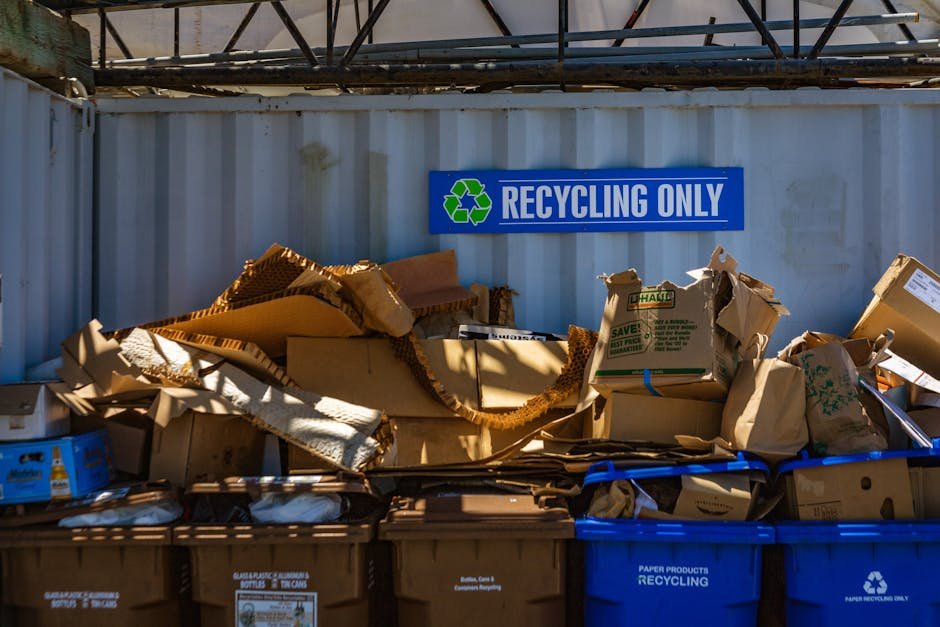
For those managing large-scale demolition or industrial projects, the logistics of scrap management are as important as the price per tonne. You need a partner who can provide bins, scheduled pickups, and efficient site clearance. A professional metal buyer will work with you to create a waste management plan that minimizes your site’s footprint and maximizes the recovery value of the metal. This includes providing specialized containers for different metal types to prevent cross-contamination on-site.
Effective site management also reduces the risk of safety incidents. By keeping your scrap organized throughout the project, you ensure that high-value materials are not lost or damaged. When you are ready to sell, having a pre-sorted, clean load will significantly speed up the processing time at the yard, leading to faster payments and less downtime. Always discuss your specific project needs with your chosen buyer early in the process to ensure they have the capacity to handle your volume and the equipment to manage your specific material types.
Conclusion: Choosing the Right Partner
Selecting the right recycling buyers is a decision that impacts your project’s profitability and your operational efficiency. By prioritizing transparency, quality, and professional standards, you ensure that your scrap metal is handled in a way that is both economically and environmentally sound. Use the resources provided in this guide to find partners who align with your goals, and remember that the best results come from long-term, collaborative relationships. Whether you are recycling a few kilograms of copper or managing tonnes of industrial steel, the right partner is out there, ready to help you turn your scrap into a valuable asset.
Frequently Asked Questions
How do I know if I am getting a fair price for my scrap?
Check the current London Metal Exchange (LME) rates and compare them with the offers from multiple reputable dealers. A fair buyer will be transparent about their pricing structure and explain any deductions for impurities.
What documents do I need to sell scrap metal?
In Australia, you typically need a valid government-issued photo ID. Some larger yards or specific states may have additional requirements to comply with anti-theft legislation, so it is best to call ahead.
Is it worth sorting my scrap before taking it to a buyer?
Yes, absolutely. Sorting your metals by type (e.g., separating copper from steel) prevents higher-value materials from being downgraded to ‘mixed scrap’ prices, significantly increasing your total payout.
What is the difference between ferrous and non-ferrous metals?
Ferrous metals contain iron and are magnetic, such as steel and iron. Non-ferrous metals do not contain iron and are non-magnetic, such as copper, aluminum, brass, and lead, which generally command higher market prices.