
Understanding the landscape of sovereign metals and recycling is increasingly vital for Australia’s industrial future. As global supply chains face volatility and the demand for critical minerals—such as lithium, cobalt, nickel, and copper—skyrockets, the ability to recover these resources domestically has become a cornerstone of economic resilience. For businesses and individuals involved in the sector, engaging with the Recycling Community is the first step toward optimizing resource recovery and ensuring compliance with national environmental standards.
The Strategic Importance of Sovereign Metals
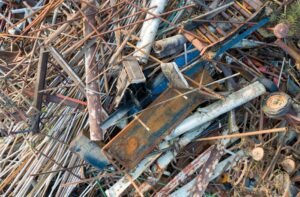
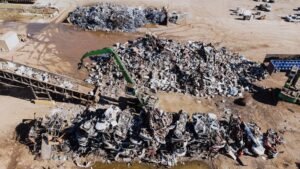
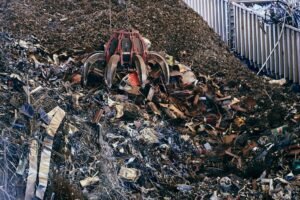
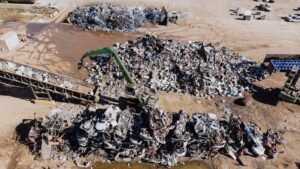
The concept of sovereign metals refers to the materials that underpin a nation’s defense, energy, and high-tech manufacturing capabilities. When we discuss sovereign metals and recycling, we are addressing the circularity of materials that are not just commodities, but strategic assets. Australia holds a unique position, being a major producer of raw minerals, yet the transition toward a circular economy requires us to treat our scrap yards as ‘urban mines.’ By refining our domestic recovery processes, we decrease our dependence on volatile international markets and secure the supply of metals necessary for the energy transition.
For those looking to participate in this ecosystem, finding a reliable partner is essential. Whether you are a large-scale industrial operator or a small business, you can easily find Scrap Metal Recycling Near Me services to ensure your waste streams are processed according to the highest environmental and ethical standards. By keeping these materials within the domestic loop, we foster a robust secondary market that supports local jobs and technological innovation.
The Mechanics of Industrial Metal Recovery
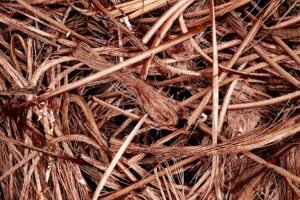
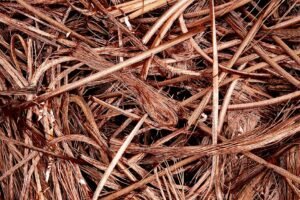
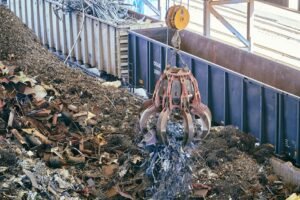
Metal recovery is a sophisticated science. It involves the collection, sorting, processing, and refining of metals to return them to a purity level suitable for manufacturing. The process begins at the point of collection, where scrap is categorized by grade. High-value metals like copper, aluminum, and stainless steel are prioritized due to their infinite recyclability without loss of quality. In Australia, regional hubs play a critical role, such as the specialized facilities managed by west metals recycling, which provide the infrastructure needed to process bulk volumes of industrial scrap.
Effective recovery requires advanced technology, including X-ray fluorescence (XRF) analyzers to identify metal alloys, and eddy current separators to isolate non-ferrous metals. As a professional, you should prioritize facilities that utilize these technologies to ensure you are receiving fair market value for your scrap. If you are searching for Metal Recycling Near Me, look for providers that transparently communicate their sorting processes and end-market destinations. This transparency is a hallmark of a mature, responsible recycling industry.
Australia’s Role in the Global Circular Economy
Australia is not just a participant in the global metals market; it is a leader in the development of sustainable practices. The integration of sovereign metals and recycling into national policy frameworks is a direct response to global supply chain disruptions. By prioritizing the domestic processing of scrap, Australia can reduce its carbon footprint associated with shipping raw ore abroad for smelting. This shift requires collaboration between government bodies, private enterprises, and the public. You can learn more about these initiatives through the leading scrap metal trading platform, which connects sellers with verified buyers across the continent.
The circular economy is not merely an environmental goal; it is an economic imperative. By keeping materials in circulation, we reduce the energy intensity of our manufacturing sector. For example, recycling aluminum consumes 95% less energy than producing it from bauxite ore. This efficiency is why industrial players are increasingly turning to specialized scrap trading platforms like Scrap Trade Australia to manage their inventory and logistics. By streamlining the trade of scrap, we ensure that the right materials reach the right refiners, maximizing the value of every kilogram of metal recovered.
Operational Best Practices for Scrap Management
Managing scrap effectively requires a systematic approach. First, segregation at the source is paramount. Mixing different grades of metal significantly lowers the value of the entire batch. Implement a color-coded bin system in your facility to ensure that copper, brass, stainless steel, and aluminum are kept separate. Second, keep a detailed inventory of your scrap output. Understanding your waste streams allows you to forecast revenue and negotiate better rates with recyclers. Third, ensure that your scrap is free of contaminants such as plastic, oil, or rubber, as these can lead to penalties at the processing facility.
When working with a recycling partner, ask about their environmental certifications. A reputable recycler will be able to provide documentation on how they handle hazardous waste, such as electronic scrap containing lead or mercury. This is particularly important for businesses looking to maintain ESG (Environmental, Social, and Governance) compliance. By adhering to these best practices, you contribute to the overall health of the sovereign metals & recycling ecosystem, ensuring that high-value materials are not lost to landfills but are instead returned to the manufacturing supply chain.
Technological Innovations in Metal Refining
The future of metal recycling lies in advanced chemical and mechanical refining. We are seeing a shift toward hydrometallurgy, a process that uses aqueous chemistry to recover metals from ores and recycled materials with higher precision than traditional pyrometallurgy. This is particularly relevant for the recovery of lithium-ion battery components and rare earth elements found in modern electronics. These technologies are essential for maintaining our sovereign capabilities, as they allow us to extract high-purity materials from low-grade scrap.
Furthermore, digital platforms are revolutionizing the trading of these metals. Real-time price tracking, blockchain-based traceability, and automated logistics are allowing smaller players to compete on a global stage. By leveraging these digital tools, the Australian recycling industry is becoming more efficient, transparent, and profitable. As we continue to innovate, the focus must remain on creating a seamless flow of materials from the end-of-life product back into the production line, minimizing waste and maximizing the utility of our existing metal stocks.
Policy, Regulation, and Future Outlook
The Australian government has recognized the importance of domestic resource recovery through various grants and policy initiatives aimed at building a more resilient manufacturing sector. Regulations surrounding the export of scrap are also tightening, encouraging more domestic processing and value-adding. This regulatory environment is designed to keep jobs and technical expertise within Australia. For businesses, this means that investing in domestic recycling infrastructure is not only environmentally sound but also strategically advantageous given the shifting regulatory landscape.
Looking ahead, the demand for recycled metals will only increase as the world moves toward net-zero emissions. The electrification of transport and the expansion of renewable energy infrastructure require massive amounts of copper, steel, and specialty alloys. By mastering the art of sovereign metals and recycling, Australia can position itself as a key supplier of these essential materials, not just as a primary producer, but as a secondary producer of high-grade recycled metals. This dual approach is the key to long-term economic security and environmental stewardship.
The Role of Education and Community Engagement
Education is the final piece of the puzzle. Many businesses and households are unaware of the true value of their scrap metal. By fostering a culture of recycling, we can increase the volume of materials recovered and improve the quality of the scrap entering the market. Engaging with industry associations and utilizing digital resources helps keep stakeholders informed about market trends, price fluctuations, and best practices. Whether you are an industrial manager or a small business owner, participating in the broader discussion around resource management is essential for long-term success.
We encourage all participants in the industry to stay connected and informed. The more we share knowledge about efficient collection, sorting, and trading, the stronger our collective capability becomes. By working together, we can build an industry that is not only profitable but also essential to Australia’s future. The journey toward a truly circular economy is ongoing, and every participant plays a vital role in ensuring that our sovereign metal resources are managed with the care and foresight they deserve.
Conclusion
The pursuit of sovereign metals and recycling excellence is a multi-faceted challenge that requires technological investment, operational discipline, and a commitment to circularity. By treating our scrap as a strategic resource, we secure our industrial future and reduce our environmental footprint. Whether you are searching for local recycling services or looking to trade large volumes of industrial scrap, the resources available through platforms like Scrap Trade provide the necessary connectivity to succeed. As Australia continues to navigate the complexities of the global market, our ability to recover and reuse our own metals will define our success. Let us continue to innovate, collaborate, and lead in the responsible management of our nation’s most valuable resources.
Frequently Asked Questions
What are sovereign metals?
Sovereign metals are critical minerals and industrial metals that are essential for a nation’s economic, defense, and energy infrastructure. Managing them through domestic recycling ensures that a country maintains a secure supply chain independent of global market volatility.
Why is metal recycling important for Australia?
Metal recycling is vital for Australia to reduce its dependence on primary mining and imported raw materials. It lowers energy consumption, reduces carbon emissions, and supports the development of a circular economy that keeps economic value within the country.
How can I find a reliable metal recycler?
You can find reliable recyclers by searching for local facilities that offer transparent sorting processes and hold relevant environmental certifications. Platforms like Scrap Trade provide directories and trading tools to connect you with verified, professional metal recycling partners.
What is the best way to prepare scrap for recycling?
The best way to prepare scrap is by segregating metals by type, such as copper, aluminum, and steel, and ensuring they are free from contaminants like plastic, rubber, or hazardous materials. Keeping materials clean and sorted significantly increases their market value.