
When you are selling scrap in Australia, the difference between a mediocre payout and a premium return lies entirely in your preparation and knowledge of the market. The Australian scrap metal industry is a sophisticated ecosystem that rewards those who understand the nuances of material grading, logistics, and global commodity trends. Whether you are a trade professional clearing a job site or an individual with a collection of household metals, the process of Sell Scrap requires a strategic approach. By treating your metal as a commodity rather than waste, you shift your position from a passive seller to an active participant in the circular economy. This guide provides the expert insight necessary for professional scrap metal trading, ensuring you achieve the highest possible value for your materials.
Understanding Scrap Metal Grades and Market Value
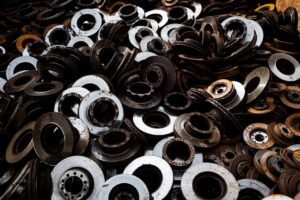
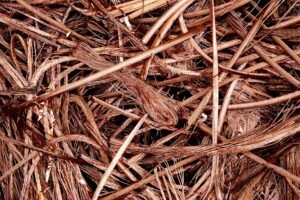
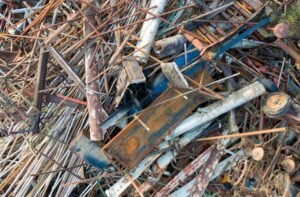
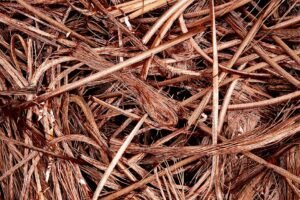
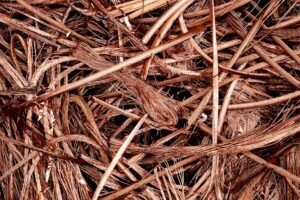
The foundation of selling scrap successfully is the ability to accurately identify and grade your materials. Scrap metal is not a monolith; it is a complex array of alloys, each with distinct chemical properties and industrial applications. Ferrous metals, such as steel and iron, are magnetic and generally trade at lower volumes, while non-ferrous metals like copper, aluminum, brass, and stainless steel command significantly higher prices due to their scarcity and infinite recyclability. Copper, for example, is categorized into grades like ‘Bright and Shiny’ (No. 1 Copper), which is stripped of all insulation and oxidation, versus ‘Burnt’ or ‘Insulated’ copper, which carries lower value due to the processing required to refine it. Aluminum is similarly graded based on whether it is cast, extruded, or contains contaminants like steel bolts or plastic components. When you visit a Gmr Scrap facility, you will notice that the price list is dictated by these strict industry standards. Understanding the London Metal Exchange (LME) trends is essential, as local Australian scrap prices are pegged to these global benchmarks. To ensure you are receiving the best price, you must present your Scrap in a clean, sorted state. Contamination is the primary reason sellers receive lower quotes; a piece of steel attached to a copper pipe can downgrade the entire load, costing you significant profit. Always remove non-metallic attachments like plastic, rubber, or wood before arriving at the yard.
The Logistics of Selling Scrap: Where and How
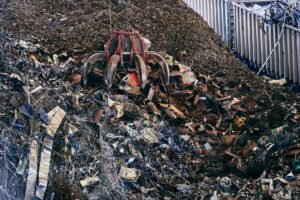
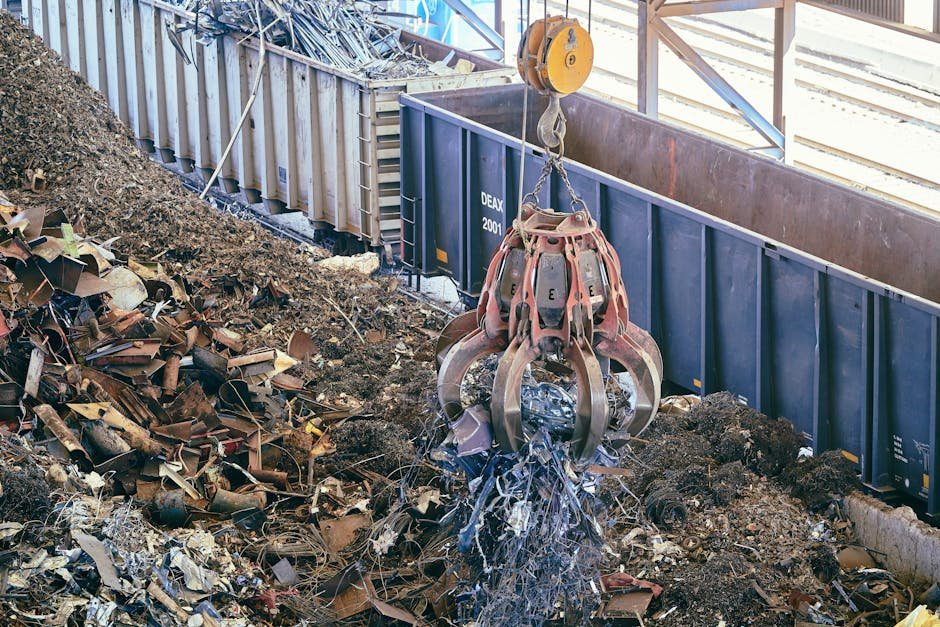
Finding the right partner is critical. Not all scrap dealers operate with the same level of integrity or pricing efficiency. When choosing where to sell, look for yards that provide clear, digital weighing systems and transparent pricing structures. A high-quality scrap dealer will often provide a breakdown of your load, showing the weight and price per unit for each specific grade. This transparency is a hallmark of a professional operation. Consider the volume of your material; if you are dealing with industrial quantities, many yards offer bin services or collection logistics, which can save you time and transport costs. However, be wary of ‘flat-rate’ buyers who offer a single price for a mixed load. These buyers almost always undervalue your high-grade materials. Instead, prioritize facilities that offer competitive, market-linked rates for separated loads. When Maximizing Your Returns in Australian Scrap Metal Recycling, the proximity of the yard to your location is also a factor, but do not let a slightly shorter drive outweigh the benefits of a higher price per kilogram at a more reputable facility. Developing a relationship with a consistent dealer can also lead to better service and potentially preferential pricing as you become a known, reliable supplier of clean, high-quality scrap.
Documentation and Legal Requirements
The Australian scrap metal industry is heavily regulated to prevent the trade of stolen goods. When you arrive at a yard, expect to present valid government-issued identification, such as a driver’s license or passport. Under various state-based laws, scrap dealers are required to maintain detailed records of all transactions, including the seller’s identity, vehicle registration, and descriptions of the materials purchased. Some jurisdictions also require cashless transactions for scrap sales to further deter illicit activity. Being prepared with the necessary documentation ensures a smooth transaction and demonstrates your professionalism. If you are selling on behalf of a business, you may also need to provide an ABN and potentially a tax invoice if you are registered for GST. Keeping accurate records of your sales is not only a legal requirement but also a smart business practice, allowing you to track your volume, identify trends in your scrap generation, and optimize your collection cycles for maximum profit. Ignorance of these requirements can lead to delays or refusal of service, so always confirm the yard’s specific documentation needs before your first visit.
The Environmental and Economic Impact of Recycling
Recycling metal is one of the most effective ways to reduce industrial carbon footprints. The energy required to recycle aluminum, for instance, is approximately 95% less than the energy required to produce it from raw bauxite ore. By selling scrap into the recycling stream, you are directly contributing to the conservation of finite natural resources and reducing the massive energy consumption associated with mining and smelting. This is the essence of the circular economy: materials are recovered, processed, and reintroduced into the manufacturing cycle, effectively turning ‘waste’ into a valuable resource. Australia’s scrap metal recycling industry is a vital component of the national economy, supporting thousands of jobs and providing essential raw materials for both domestic and international manufacturing. When you choose to recycle rather than discard, you are participating in a global effort to mitigate the impacts of climate change and industrial pollution. This environmental benefit is increasingly recognized by businesses as part of their Corporate Social Responsibility (CSR) mandates, making scrap management a key performance indicator for many industrial sectors. By keeping your scrap clean and ensuring it reaches a professional recycler, you are not just making money; you are acting as a steward for the environment.
Advanced Strategies for Industrial Scrap Management
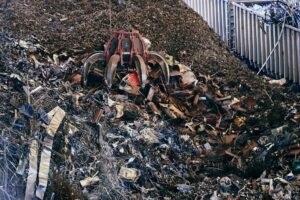
For businesses generating consistent volumes of scrap—such as construction firms, demolition contractors, or manufacturing plants—the strategy for maximizing returns moves beyond simple sorting. It involves implementing a comprehensive scrap management program. This includes on-site segregation, where employees are trained to separate metals at the source rather than throwing them into a general ‘mixed’ bin. Providing color-coded, clearly labeled bins for different metals—copper, brass, stainless, and steel—significantly reduces the time and labor required for final sorting. Furthermore, investing in basic processing equipment, such as a wire stripper for copper cables or a small baler for aluminum sheets, can drastically increase the value of your scrap. A stripped copper cable can be worth double the price of an insulated one. Additionally, timing your sales can be a strategic advantage. While commodity markets are volatile, monitoring major trends can help you decide when to hold onto your stock and when to move it. If you are a large-scale generator, talk to your scrap dealer about volume-based pricing or long-term supply contracts. These arrangements can provide price stability and ensure that your scrap is moved efficiently, keeping your site clear and your cash flow positive. Remember, the goal is to transform your waste stream into a revenue stream, and that requires the same level of management as any other aspect of your business operations.
The Future of Scrap Metal Recycling in Australia
The Australian scrap metal industry is currently undergoing a digital transformation. From automated sorting technologies using X-ray fluorescence (XRF) to blockchain-based supply chain tracking, the way scrap is processed and sold is becoming more efficient and transparent. As the global demand for sustainable raw materials grows, the value of recycled metal is likely to remain high. Investors and manufacturers are increasingly prioritizing ‘green’ steel and recycled aluminum to meet their sustainability targets. This shift places scrap sellers in an advantageous position. By staying informed about these technological advancements and market shifts, you can better position your business to capitalize on the evolving landscape. Furthermore, government initiatives aimed at reducing landfill waste are likely to introduce stricter regulations on industrial waste disposal, making recycling not just a profitable choice, but a regulatory necessity. Those who build strong, compliant, and efficient scrap management systems now will be the best positioned to benefit from the future of this industry. Continue to refine your processes, maintain your relationships with reputable dealers, and keep a close eye on the global commodity markets to ensure your scrap metal operations remain a profitable and sustainable pillar of your organization.
Frequently Asked Questions
What is the most valuable metal I can sell?
Copper is consistently one of the most valuable non-ferrous metals, especially when it is clean and free of insulation. Other high-value metals include brass, stainless steel, and lead, though prices fluctuate based on global market demand.
Do I need to clean my scrap before selling it?
Yes, cleaning your scrap is the most effective way to get the best price. Removing non-metallic attachments like plastic, rubber, wood, and steel bolts prevents the material from being downgraded to a lower, less profitable grade.
Why do scrap yards require identification?
Scrap yards are required by law to record the details of sellers to prevent the trafficking of stolen property. Providing valid government-issued ID is a standard legal requirement for all scrap transactions in Australia.
How are scrap prices determined?
Scrap prices are primarily based on the global London Metal Exchange (LME) commodity rates. Local scrap dealers then adjust these prices based on their processing costs, transportation logistics, and the current local demand for specific metal grades.