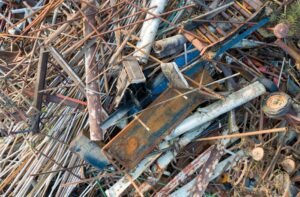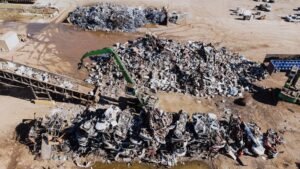

In Alexandria, the scrap metal market is a pivotal component of the local circular economy, offering businesses and households a reliable way to turn discarded steel, copper, aluminium and other metals into valuable resources. Understanding alexandria scrap metal grades, the recycling workflow, and the environmental benefits equips you to make informed decisions whether you are a contractor, a DIY enthusiast, or a sustainability‑focused entrepreneur.
Overview of the Alexandria Scrap Metal Industry
Alexandria, a suburb of Sydney, sits within a dense network of industrial zones, construction sites, and residential areas that generate a steady stream of ferrous and non‑ferrous metal waste. According to the Australian Bureau of Statistics, the New South Wales region processes over 3.5 million tonnes of metal annually, with a significant portion sourced from inner‑city suburbs like Alexandria. Local recyclers operate under strict environmental licences, ensuring that metal recovery complies with both state and federal regulations.
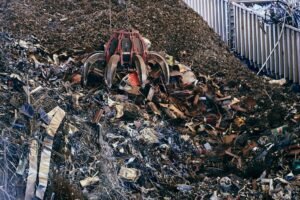
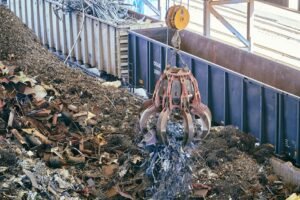
The industry’s backbone consists of collection services, sorting facilities, balers, shredders, and high‑temperature furnaces. Each step adds value: raw scrap is transformed into clean, market‑ready billets, rods or sheets ready for re‑melting. The proximity of Alexandria to major transport corridors, including the M4 and Port Botany, reduces logistics costs and carbon emissions, making the suburb an attractive hub for metal traders.
Common Grades of Scrap Metal in Alexandria
Accurate grading is essential for maximizing returns. Below are the most frequently encountered grades, along with typical characteristics and market demand.
- Ferrous Metals – Heavy Melting Steel (HMS) 1 & 2: HMS 1 consists of clean, uncoated steel such as structural beams, while HMS 2 includes steel with light coatings or minor contaminants.
- Stainless Steel (304, 316): Highly valued for corrosion resistance; grades are identified by alloy composition and are often sourced from kitchen equipment and medical devices.
- Aluminium (Alloy 6061, 7075): Light, highly recyclable; common in window frames, vehicle panels, and aerospace parts.
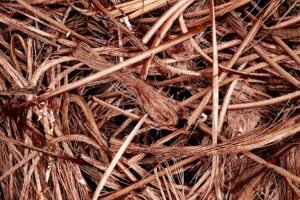
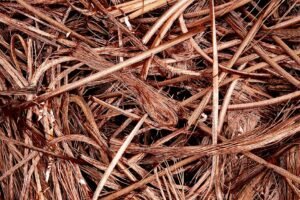
- Copper (Bare Bright, #1, #2): Conductivity makes copper premium; grades differentiate between clean wire, tubing, and insulated copper.
- Brass and Bronze: Used in decorative fittings and valve components; valued for acoustic properties.
- Lead and Zinc: Typically sourced from batteries and galvanising processes; require specialised handling due to toxicity.
Each grade commands a distinct price point, reflected daily on the Scrap Metal Prices board. Accurate segregation at the point of collection reduces re‑processing costs and boosts profitability for both sellers and recyclers.
How Scrap Metal Recycling Works in Australia
The recycling journey begins with collection. Residential curb‑side pickups, commercial skip services, and dedicated drop‑off centres funnel material to sorting facilities. In Alexandria, many businesses use the Scrap Metal Recycling Near Me service to ensure timely pick‑up.
Once at the facility, the material undergoes a multi‑stage process:
- Initial Inspection: Workers remove non‑metal contaminants such as plastic, wood, and hazardous waste.
- Magnetic Separation: Powerful magnets pull ferrous metals away from non‑ferrous streams.
- Eddy Current Separation: This technology repels non‑ferrous metals, allowing aluminium, copper and brass to be sorted automatically.
- Shearing and Baling: Metals are cut to size and compacted into bales for efficient transport.
- Melting: Bales are melted in electric or induction furnaces, where impurities are removed via fluxes and slag formation.
- Solidification: The molten metal is cast into ingots, billets or slabs, ready for resale to manufacturers.
Throughout the process, strict traceability records are kept to comply with the Australian Packaging Covenant and the National Environment Protection Measure for Waste. This transparency reassures downstream users that the metal meets quality and environmental standards.
Environmental Benefits of Recycling Scrap Metal
Recycling metal conserves natural resources and cuts greenhouse gas emissions dramatically. For example, producing new aluminium from bauxite consumes up to 95% more energy than recycling aluminium scrap. Similarly, recycling steel saves approximately 1.5 tonnes of iron ore, 0.5 tonnes of coal and 40% of the water needed for primary production.
Specific to Alexandria, the reduced need for long‑haul transport of raw ore translates into lower diesel consumption. A study by the Department of Industry, Science, Energy and Resources estimates that every tonne of steel recycled saves 1.8 tonnes of CO₂ equivalent. When multiplied by the suburb’s annual scrap throughput (estimated at 45,000 tonnes), the carbon offset exceeds 80,000 tonnes of CO₂ per year.
Beyond climate impact, metal recycling mitigates landfill pressure. Metals do not decompose; they persist indefinitely, occupying valuable landfill space. By diverting scrap from landfill, Alexandria contributes to the national goal of achieving a 70% recycling rate for all waste streams by 2030.
Practical Tips for Selling and Preparing Scrap in Alexandria
Maximising revenue starts with proper preparation. Follow these best practices before delivering your load to a local processor:
- Separate Grades: Keep ferrous and non‑ferrous metals distinct. Use separate containers or clearly label sections.
- Remove Contaminants: Strip paint, insulation, and non‑metal fittings. Even small amounts of PVC can lower the price of copper.
- Compress When Possible: Baling or compacting reduces volume, lowering transport costs and often fetching a higher price per tonne.
- Know the Current Rates: Check the latest Scrap Metal Prices before negotiating.
- Documentation: Keep receipts and weigh‑in records. Some buyers require proof of origin for compliance with the Australian Export Controls.
- Use Certified Services: Platforms like Australia’s leading scrap metal marketplace connect you with licensed recyclers who guarantee fair pricing and safe handling.
For residential sellers, the Sell Scrap Metal Near Me In 2026 guide outlines how to schedule pickups, estimate weight, and comply with local council regulations. Commercial entities can also explore bulk contracts through the same portal, ensuring predictable revenue streams.
Market Prices and Economic Considerations
Scrap metal prices fluctuate based on global commodity markets, exchange rates, and domestic demand. In 2024, the price of HMS 2 averaged AU$210 per tonne, while copper bright wire peaked at AU$9,200 per tonne due to supply constraints in South America.
Local factors also influence pricing. Alexandria’s proximity to Port Botany enables quick export of high‑grade aluminium, often commanding a premium over inland rates. Conversely, seasonal construction booms can drive up demand for steel, raising local prices temporarily.
Investors should monitor the Australian Securities Exchange (ASX) listings for major metal producers, as their earnings reports often foreshadow price movements. Additionally, government incentives—such as the 2023 Renewable Energy Target—encourage manufacturers to incorporate recycled aluminium, indirectly supporting higher scrap prices.
Conclusion: Leveraging Alexandria Scrap Metal for a Sustainable Future
By understanding the grades, recycling workflow, and environmental impact of alexandria scrap metal, stakeholders can unlock economic value while contributing to a greener economy. Whether you are a homeowner looking to clear out old appliances, a construction firm managing demolition waste, or an investor tracking commodity trends, the principles outlined here provide a solid foundation for making informed, profitable, and responsible decisions.
For further reading on regional recycling initiatives, explore our article on scrap metal recycling alexandria. If you operate in the broader Sydney region, the case study on scrap metal katoomba offers insights into scaling operations across multiple suburbs.
Ready to turn your metal waste into cash? Visit ScrapTrade Australia today and join the growing network of responsible recyclers.
Frequently Asked Questions
What are the most valuable grades of scrap metal in Alexandria?
Copper bright wire, stainless steel (304/316), and high‑grade aluminium alloys (6061, 7075) typically fetch the highest prices due to their purity and demand in manufacturing.
How often are scrap metal prices updated?
Prices are refreshed daily on platforms like Scrap Trade, reflecting real‑time changes in global commodity markets and local supply dynamics.
Can I recycle hazardous metals like lead in Alexandria?
Yes, but they must be handled by licensed facilities that follow strict environmental and safety protocols to prevent contamination.
What documentation is required when selling scrap metal?
A valid ID, weigh‑in receipt, and, for commercial sellers, a proof of origin or export compliance certificate are usually required.