
Introduction to Aluminium Recycling in Australia
Aluminium recycling Australia plays a vital role in reducing environmental impact while meeting industrial demand. Aluminium is one of the most valuable materials for recycling due to its infinite recyclability and energy efficiency. In Australia, the industry has grown significantly, driven by government policies, public awareness, and the need to manage waste sustainably. This guide explores the entire lifecycle of aluminium recycling, from collection to reuse, and its implications for the economy and environment.
The Environmental Benefits of Aluminium Recycling
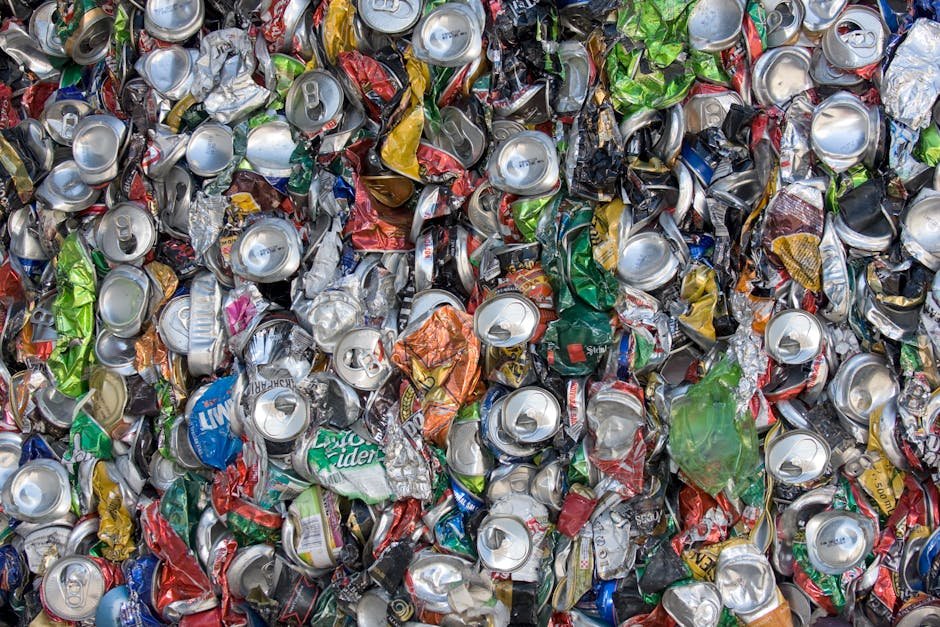
Recycling aluminium saves up to 95% of the energy required to produce new aluminium from raw bauxite. For every tonne of aluminium recycled, approximately 7 tonnes of CO₂ emissions are avoided. Aluminium cans, which are ubiquitous in households, are particularly important in this process. By recycling these cans, Australia reduces landfill waste and conserves natural resources like bauxite, which is often mined in ecologically sensitive areas.
Common Types of Aluminium Scrap and Waste
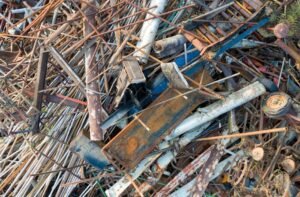
Aluminium scrap comes from various sources, including consumer goods, industrial production, and construction. Key categories include:
- Aluminium cans: Widely recycled household items.
- Aluminium extrusion: Used in construction and furniture, these require specialized recycling processes.
- Industrial scrap: Generated by manufacturing plants, such as automotive parts and machinery.
- Aluminium packaging: Foil and trays from food and medical industries.
For detailed information on aluminium scrap recycling, visit the aluminium scrap recycling page.
The Process of Aluminium Recycling in Australia
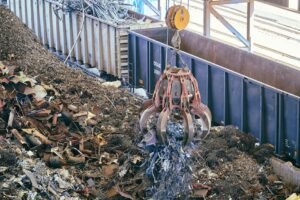
The aluminium recycling process involves several stages:
- Collection: Households and businesses separate aluminium waste from other recyclables.
- Sorting: Scrap is sorted by grade and contamination levels using advanced sorting technology.
- Shredding and Melting: Clean scrap is shredded and melted in furnaces at 700°C.
- Purification: Impurities are removed to produce high-quality recycled aluminium.
- Reforming: The molten metal is cast into ingots or sheets for reuse in manufacturing.
Australia’s recycling infrastructure ensures that 98% of recycled aluminium is reintegrated into new products, making it a cornerstone of sustainable practices.
Current Market for Aluminium Recycling
The aluminium price fluctuates based on global demand, energy costs, and raw material availability. In Australia, the aluminium marketplace connects buyers and sellers of recycled aluminium, ensuring a steady flow of materials. Scrap traders and industries rely on this market to manage costs and meet production needs. For businesses, understanding these market dynamics is crucial for maximizing profits while supporting circular economy goals.
How to Participate in Aluminium Recycling
Individuals and businesses can contribute to aluminium recycling Australia by following these steps:
- Clean and sort aluminium cans, foil, and packaging before recycling.
- Use designated recycling bins to avoid contamination with plastics or paper.
- Partner with local Scrap Trade Australia platforms to sell large quantities of scrap.
- Join the Recycling Community to share best practices and innovations.
Communities that adopt these practices collectively reduce waste and boost Australia’s recycling rates.
Challenges and Innovations in Recycling
Despite its benefits, aluminium recycling faces challenges like contamination from mixed materials and logistical hurdles in remote regions. Innovations such as AI-driven sorting systems and mobile recycling units are addressing these issues. Additionally, government initiatives like the National Waste Policy Action Plan aim to increase recycling targets to 80% by 2030. For more insights, explore Scrap Trade Australia for industry updates.
Conclusion: The Future of Aluminium Recycling Australia
Aluminium recycling Australia is not just an environmental necessity but an economic opportunity. By embracing efficient recycling processes, supporting local scrap markets, and fostering community engagement, we can ensure sustainable resource management. Whether you’re an individual or a business, your participation in recycling aluminium helps build a greener future for Australia and the planet.
FAQs About Aluminium Recycling
Frequently Asked Questions
Why is aluminium recycling important in Australia?
Aluminium recycling conserves energy, reduces greenhouse gas emissions, and minimizes reliance on bauxite mining, which has environmental and social impacts.
How can households contribute to aluminium recycling?
Households can separate aluminium cans, foil, and packaging from general waste and use local recycling programs or platforms like Scrap Trade Australia.
What happens to recycled aluminium in Australia?
Recycled aluminium is processed into ingots or sheets, then used to manufacture new products like cans, car parts, or construction materials.
How does the aluminium price affect recycling?
Higher aluminium price incentivizes recycling by making scrap more valuable, encouraging businesses and individuals to collect and sell it.