
When it comes to aluminium recycling Liverpool, both industrial players and individual traders play a vital role in the circular economy. As Australia pushes toward more sustainable waste management practices, understanding the lifecycle of aluminium—from scrap collection to industrial repurposing—is essential for anyone looking to capitalize on the market. Whether you are a construction firm managing site waste or a local resident clearing out a garage, knowing the nuances of the trade ensures you get the best possible value for your materials.
The Economic and Environmental Impact of Aluminium Recycling
Aluminium is unique in the world of metals; it is infinitely recyclable without losing its physical properties. This characteristic makes aluminium recycling Liverpool a cornerstone of the regional economy. When you recycle aluminium, you are saving approximately 95% of the energy required to produce primary aluminium from bauxite ore. This energy saving translates directly into a reduced carbon footprint, making it a priority for environmentally conscious businesses and local councils alike.
For those interested in the broader industry, our Recycling Community provides a space to discuss market trends and sustainability goals. By participating in the recycling loop, Liverpool traders are not just making money; they are actively reducing the demand for destructive mining practices. The process starts with the collection of various grades, ranging from high-quality aluminium extrusion found in window frames and door panels to common household aluminium cans. Each grade has a distinct value, and understanding how to sort them is the first step toward becoming a savvy scrap trader.
If you are searching for a reliable facility, you might be looking for Scrap Metal Recycling Near Me to streamline your logistics. Efficient transport is key to maintaining profit margins, especially when dealing with high-volume scrap. By keeping your scrap clean—free from plastic, rubber, or steel attachments—you ensure that your material qualifies for the highest grade, which directly impacts your bottom line.
Understanding Aluminium Grades and Market Values
The aluminium price is dynamic, influenced by global supply chains, energy costs, and the London Metal Exchange (LME) benchmarks. In Liverpool, local scrap yards adjust their buy prices based on these global figures, but also on the purity of the material brought in. To get the best cash for aluminium liverpool, you must understand the difference between specific grades. For instance, ‘clean’ aluminium refers to material that is free of paint, screws, or other contaminants. ‘Dirty’ aluminium, which includes items with steel attachments or rubber seals, will naturally command a lower price because of the labor required to process it.
Traders often ask about the difference between cast aluminium and extruded aluminium. Extruded aluminium, commonly used in construction, is generally more valuable due to its high purity. Conversely, cast aluminium—often found in engine parts or old lawnmower decks—contains alloying elements like silicon that change its melting point and processing requirements. If you have a significant volume of material, it is worth contacting a Metal Recycling Near Me service to discuss bulk pricing and potential pickup services. Being informed about these categories allows you to negotiate better rates and avoid common pitfalls in the scrap trade.
For those outside the immediate Liverpool area, it is worth noting that expertise in metal recovery is consistent across the country. For example, many of our partners who specialize in artarmon aluminium recycling follow the same rigorous standards for sorting and processing. Consistency in quality is the hallmark of a professional trader. Whether you are dealing with beverage cans or industrial-grade profiles, the goal is to provide the smelter with a product that is ‘furnace-ready’.
Practical Tips for Maximizing Your Scrap Returns
Maximizing your returns in the aluminium recycling Liverpool market requires a systematic approach. First, invest in a magnet. Since aluminium is non-magnetic, a magnet is the easiest way to detect steel contaminants. If your magnet sticks to the item, it is not pure aluminium, and you should remove the steel component to increase the value of the remaining metal. Second, keep your scrap dry and under cover if possible. While aluminium does not rust, moisture and debris can add unnecessary weight and lower the grade of your scrap.
Third, separate your alloys. If you have a large quantity of aluminium cans, keep them separate from heavier extruded sections. Different alloys have different melting points, and recyclers prefer batches that are consistent in composition. If you are a business, consider implementing a dedicated bin system at your site to prevent cross-contamination during the collection phase. For more insights on optimizing your scrap business, visit our main portal at Scraptrade Australia to stay updated on industry best practices.
Finally, build a relationship with your local yard. Regular traders who provide clean, sorted material are often given priority service and better pricing tiers. Don’t be afraid to ask your yard manager about their specific requirements for ‘clean’ material. They will appreciate the effort you put into sorting, and it saves them time in the processing stage. By treating your scrap collection as a professional operation, you turn waste into a reliable revenue stream.
The Future of Al Recycling in Australia
The landscape of al recycling in Australia is shifting toward more sophisticated technology. Advanced X-ray fluorescence (XRF) scanners are becoming standard in modern facilities, allowing recyclers to identify metal alloys in seconds. This technology ensures that high-quality aluminium is not lost in the stream of mixed metals. As we move toward a more circular economy, the demand for recycled aluminium is set to soar, particularly as the automotive and construction industries look to lower the embodied carbon of their products.
Liverpool serves as a vital hub for this transition. By centralizing the collection and processing of scrap, the region supports the broader Australian goal of reducing landfill dependency. The integration of digital platforms, such as our scrap metal trading platform, has further revolutionized the industry by providing real-time pricing transparency and connecting sellers directly with the best buyers in the market. This connectivity is essential for small-scale traders who previously lacked access to the competitive pricing enjoyed by large industrial firms.
Navigating Regulations and Safety Standards
Safety is non-negotiable in the scrap metal industry. Aluminium recycling involves handling sharp edges, heavy materials, and sometimes hazardous contaminants. When preparing your scrap for transport, always wear appropriate personal protective equipment (PPE), including gloves and safety boots. Furthermore, be aware of local council regulations regarding the storage of scrap metal on your property. Some areas have specific bylaws to prevent the accumulation of unsightly waste, so keeping your collection organized is not just good for business—it’s a legal necessity.
When transporting your scrap to a facility in Liverpool, ensure your load is properly secured. Loose metal can pose a significant danger to other road users. If you are dealing with large-scale industrial scrap, consider hiring a professional waste management service that understands the requirements of metal recycling. They will provide the necessary skips and handle the logistics, ensuring that your scrap reaches the recycling plant safely and in compliance with environmental regulations.
The Role of Aluminium Cans in the Circular Economy
Perhaps the most recognizable form of aluminium scrap is the humble beverage can. Aluminium cans are the poster child for the circular economy, with the potential to be recycled and back on the shelf as a new can in as little as 60 days. In Liverpool, recycling your cans is a simple way to contribute to a massive environmental impact. Unlike plastic, which degrades in quality each time it is recycled, aluminium can be recycled indefinitely without losing its integrity.
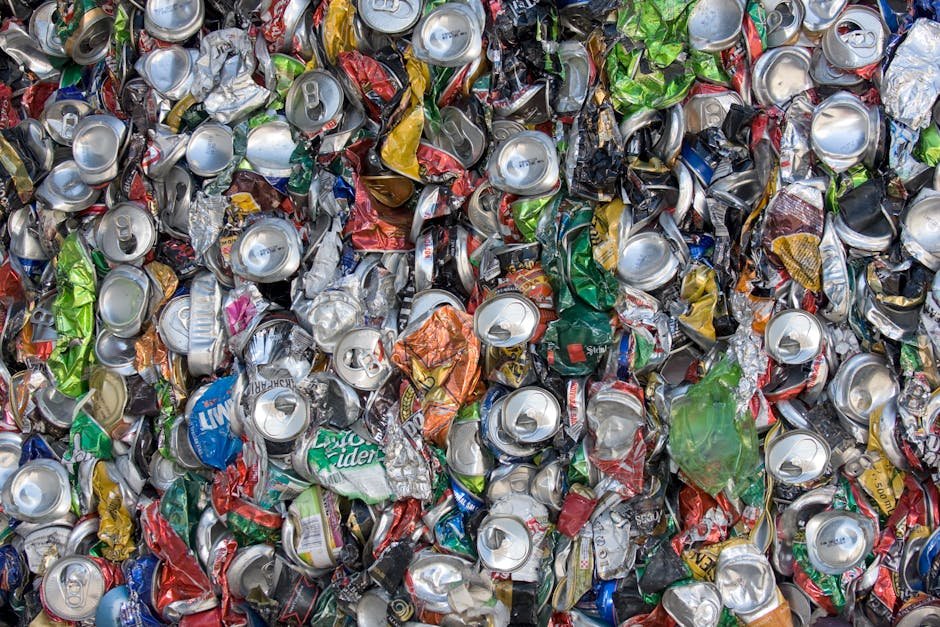
When collecting cans, ensure they are empty and as clean as possible. While most modern recycling facilities can handle some residue, excessive sugar or liquid can attract pests and create a mess at the collection site. Crushing your cans can save space during storage and transport, allowing you to move more material in fewer trips. This simple act of preparation makes a significant difference in the efficiency of the recycling chain and helps keep your local Liverpool scrap yard running smoothly.
Advanced Processing: From Scrap to Ingots
Once your scrap arrives at the facility, the real magic happens. The material is shredded into small, uniform pieces. This process helps remove non-metallic contaminants like plastic, paper, or dirt through air classification and magnetic separation. Once the aluminium is cleaned, it is melted in large industrial furnaces. During this stage, alloying elements may be added to reach the desired specifications for specific applications, such as automotive parts or aerospace components.
The molten metal is then cast into ingots or billets, which serve as the raw material for manufacturers. This process is far more efficient than mining new bauxite, which requires extensive land clearing and energy-intensive refining. By participating in this cycle, you are directly supporting the manufacturing sector’s ability to produce sustainable goods. It is a testament to the power of local recycling efforts that the aluminium you drop off in Liverpool today could be part of a new window frame or a vehicle component in the very near future.
Building a Sustainable Business Model
For businesses generating consistent scrap, the key to long-term success is integrating recycling into your operational workflow. Don’t view scrap as an afterthought; view it as a secondary revenue stream. By training your staff to identify and separate different metals at the source, you reduce the time and effort required to prepare the material for sale. This systematic approach not only increases your profit but also improves your site’s overall cleanliness and safety.
Furthermore, staying informed about market fluctuations allows you to time your sales for maximum profit. While the aluminium price can be volatile, understanding the trends helps you decide when to hold onto your stock and when to move it. Engaging with industry experts and utilizing digital resources will keep you ahead of the curve. The goal is to build a business model that is both profitable and environmentally responsible, ensuring that your operations contribute positively to the Liverpool community and the planet.
Conclusion: Taking Action Today
The importance of aluminium recycling Liverpool cannot be overstated. From the individual recycler collecting cans to the industrial firm managing tons of extruded profiles, every contribution counts. By following the guidelines in this guide, you are not only maximizing your financial returns but also participating in a critical environmental initiative that preserves resources for future generations.
Remember that the value of your scrap is determined by your preparation. Keep it clean, keep it sorted, and stay informed about the market. Whether you are looking to clear out your workshop or establish a long-term contract for your business waste, the resources available through our network will ensure you are getting the best service and the fairest prices. Start your journey today by auditing your current waste streams and reaching out to a local professional to see how you can turn your scrap into a valuable asset.
Frequently Asked Questions
- Question: How can I tell if my scrap is actually aluminium?
Answer: The simplest way is to use a magnet; aluminium is non-magnetic, so the magnet will not stick to it. Additionally, aluminium is lightweight and often has a silvery-white appearance, though it may be painted or anodized. - Question: Does it matter if my aluminium scrap is dirty or painted?
Answer: Yes, it matters significantly. While recyclers can process painted or ‘dirty’ aluminium, it is considered a lower grade and will command a lower price because the impurities must be removed during the smelting process. - Question: What is the most valuable type of aluminium scrap?
Answer: Generally, clean, bare aluminium extrusions (such as window frames without glass, screws, or rubber seals) are considered the most valuable because they are high-purity alloys that are easy to process. - Question: Where can I find the current aluminium price in Liverpool?
Answer: Aluminium prices fluctuate based on global market conditions and local demand. You should check our real-time updates or contact a local scrap yard directly to get a quote based on the specific grade and volume of your material.
Related: cash for aluminium liverpool
Frequently Asked Questions
How can I tell if my scrap is actually aluminium?
The simplest way is to use a magnet; aluminium is non-magnetic, so the magnet will not stick to it. Additionally, aluminium is lightweight and often has a silvery-white appearance, though it may be painted or anodized.
Does it matter if my aluminium scrap is dirty or painted?
Yes, it matters significantly. While recyclers can process painted or ‘dirty’ aluminium, it is considered a lower grade and will command a lower price because the impurities must be removed during the smelting process.
What is the most valuable type of aluminium scrap?
Generally, clean, bare aluminium extrusions (such as window frames without glass, screws, or rubber seals) are considered the most valuable because they are high-purity alloys that are easy to process.
Where can I find the current aluminium price in Liverpool?
Aluminium prices fluctuate based on global market conditions and local demand. You should check our real-time updates or contact a local scrap yard directly to get a quote based on the specific grade and volume of your material.