
The aluminium recycling price is a critical metric for anyone involved in the metal recycling industry, whether you are a small local recycler, a large industrial player, or a hobbyist looking to sell aluminium cans. Understanding how this price is determined, what drives its fluctuations, and how you can position yourself to get the best return is essential for long‑term profitability.
1. Overview of the Aluminium Recycling Market in Australia
Australia is one of the world’s largest aluminium producers, yet the country imports a significant portion of the raw material required for new aluminium production. This paradox means that the domestic recycling market is robust, supported by government incentives, a growing awareness of sustainability, and a well‑established supply chain. The aluminium recycling price is influenced by both global commodity trends and local factors such as state regulations, logistics costs, and the availability of recycling facilities.
Historically, the price for aluminium scrap has hovered between $0.60 and $1.30 per kilogram, but recent supply chain disruptions, geopolitical tensions, and shifts in energy costs have caused more pronounced volatility. To keep track of the most up‑to‑date figures, many recyclers consult the weekly price reports published by industry bodies and local scrap yards. These reports are often available through Recycling Community forums, where members discuss price trends, quality standards, and market expectations.
2. How Aluminium Recycling Prices Are Set
The aluminium recycling price is not a fixed rate; it is a dynamic figure that reflects the balance between supply and demand in the market. The primary determinants include:
- Purity and grade of scrap – Higher purity aluminium, such as 99% aluminium used in aerospace components, commands a premium over lower purity grades.
- Volume of supply – A sudden influx of scrap from a major industrial event can depress prices, while a shortage can drive them up.
- Processing costs – Energy costs, labour, and the cost of maintaining sorting and melting facilities all factor into the final price paid to suppliers.
- Market demand for finished aluminium – When demand for new aluminium products rises, the price for raw scrap usually follows suit.
- Currency fluctuations – As aluminium is traded globally, changes in the Australian dollar can impact domestic prices.
Recyclers typically negotiate a price per kg with buyers, which may include a base rate plus a premium for higher quality or lower contamination. Buyers often pay a slightly lower rate for bulk purchases, while smaller sellers may receive a higher rate to compensate for the higher transaction costs.
3. Key Factors Affecting the Aluminium Recycling Price
Below we break down the most influential factors that can cause the aluminium recycling price to shift day‑to‑day.
3.1 Global Aluminium Market Trends
The global aluminium market is heavily influenced by major producers such as China, Russia, and Canada. When these countries adjust their output or export tariffs, the ripple effect is felt across the globe, including Australia. For example, a reduction in Chinese exports can tighten supply and lift prices for Australian recyclers.
3.2 Energy Costs
Melting aluminium is energy‑intensive, with electricity accounting for up to 70% of the production cost. In regions where renewable energy is abundant, the cost of smelting can be lower, which may allow recyclers to pay a higher price for scrap. Conversely, in areas with higher electricity tariffs, the price paid to suppliers may be reduced.
3.3 Transportation and Logistics
Australia’s vast geography means that transporting aluminium scrap from remote locations can be expensive. If a recycling facility is located far from a major source of scrap, the transportation cost may be factored into the price per kg, often resulting in lower offers for distant suppliers.
3.4 Regulatory and Environmental Policies
State and federal policies that encourage recycling can create subsidies or tax incentives for recyclers, indirectly raising the aluminium recycling price. Conversely, stricter waste disposal regulations may increase the cost of disposing of non‑recyclable scrap, influencing the price structure.
3.5 Seasonal Demand
Demand for aluminium products tends to rise during the construction boom and in the lead‑up to the Australian summer when aluminium is used in cooling systems. This seasonal surge can push up the scrap price as manufacturers seek raw material for new production runs.
4. Types of Aluminium Scrap and Their Pricing
Not all aluminium scrap is created equal. Understanding the various types of aluminium and their associated market values is essential for maximizing returns.
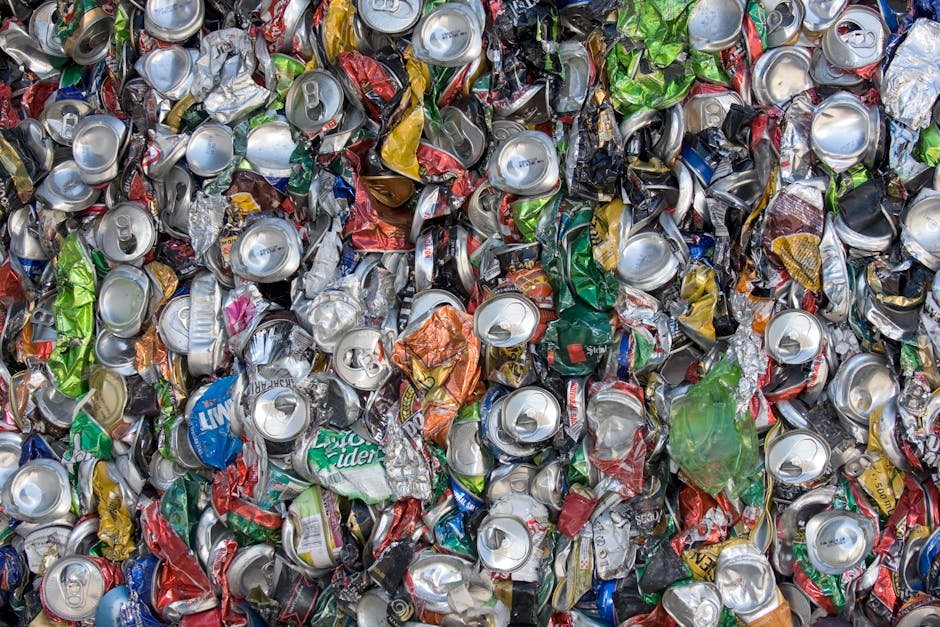
- Aluminium Cans – The most common household scrap, typically priced around $0.75–$1.10 per kg. Cans are valued for their high purity and low contamination.
- Aluminium Extrusion – Used in construction and automotive components, extrusion scrap can fetch a premium of $1.20–$1.60 per kg due to its higher grade.
- Aluminium Sheets and Foils – Often found in packaging and appliances, these can range from $0.90 to $1.30 per kg depending on thickness and purity.
- Aluminium Alloys (e.g., 6061, 7075) – These specialty alloys are highly sought after for aerospace and high‑performance applications, commanding prices up to $1.70 per kg.
- Aluminium Wires and Conductors – Typically priced between $0.80 and $1.30 per kg, depending on the gauge and purity.
Recyclers should always test scrap for purity and contamination before pricing. A simple test kit can reveal the presence of other metals or non‑metallic contaminants that could lower the value of the scrap batch.
5. Market Trends and Current Scrap Prices
To stay ahead of the curve, recyclers need to monitor the latest market data. The most reliable source of up‑to‑date aluminium scrap price information is the weekly aluminium scrap price report published by the Australian Scrap Metal Association. This report provides a comprehensive breakdown of price ranges for various aluminium grades and highlights regional variations.
Recent data indicates that the average price for aluminium cans in New South Wales is $0.95 per kg, while in Victoria it sits at $0.90 per kg. The price for aluminium extrusion has increased by 5% over the last quarter, reflecting heightened demand from the construction sector.
For a broader view of the metal market, many recyclers also consult the scrap aluminium price charts that track long‑term trends. These charts illustrate how the price per kg fluctuates with global supply disruptions, such as the recent shutdown of a major smelter in Western Australia.
6. Practical Tips for Maximizing Your Aluminium Recycling Earnings
Below are actionable strategies that can help you secure the best possible price for your aluminium scrap.
- Separate and Clean – Separate aluminium from other metals and remove any non‑metallic contamination. Clean, dry scrap is valued higher.
- Use Quality Weighing Equipment – Accurate weight measurements ensure you are not under‑billed. A digital scale with a tolerance of ±0.5 kg is recommended.
- Negotiate Bulk Rates – If you can provide large volumes, many buyers offer a premium per kg. Build a relationship with multiple buyers to compare offers.
- Keep Records – Maintain detailed logs of scrap type, weight, and price received. This data can be used to negotiate better terms in future transactions.
- Leverage Local Networks – Join the Recycling Community to stay informed about market changes and new buyer opportunities.
- Explore Alternative Buyers – Some manufacturers purchase scrap directly for their own production, often paying a higher price than traditional scrap yards.
- Consider Transportation Costs – If you are located far from a buyer, factor in haulage costs into your expected price per kg.
- Stay Updated on Regulations – Changes in waste disposal laws can affect the cost of handling scrap. Stay compliant to avoid penalties.
Recyclers should also explore services such as Scrap Metal Recycling Near Me and Metal Recycling Near Me to find facilities that offer competitive rates and convenient drop‑off locations. These services often provide free pickup or discounted rates for bulk consignments.
7. Future Outlook and Emerging Opportunities
The aluminium recycling industry is poised for growth, driven by increasing demand for lightweight materials in automotive and aerospace sectors. Technological advances in sorting and recycling equipment are improving efficiency, reducing processing costs, and enabling higher recovery rates.
Emerging markets such as electric vehicle manufacturing are creating new demand for high‑purity aluminium alloys. Recyclers who can supply these specialty grades stand to benefit from premium pricing.
Additionally, the push towards a circular economy in Australia is likely to result in more stringent regulations on aluminium waste, encouraging higher recycling rates and potentially driving up the aluminium recycling price.
To capitalize on these opportunities, recyclers should invest in training, adopt advanced sorting technologies, and maintain strong relationships with buyers who value high‑quality scrap. By staying ahead of market trends, you can secure a competitive edge and ensure long‑term profitability.
For more resources on how to navigate the recycling market, visit scrap.trade for industry news and scraptrade.com.au for detailed pricing tools. These sites provide up‑to‑date information that can help you make informed decisions about when to sell and where to find the best buyers.
8. Conclusion
The aluminium recycling price is a complex metric that reflects a blend of global market forces, local supply dynamics, and the intrinsic value of the scrap itself. By understanding how prices are set, recognizing the key factors that influence them, and employing practical strategies to maximize returns, recyclers can thrive in an ever‑changing industry.
Keep monitoring market reports, maintain high-quality standards, and leverage local networks to stay ahead. With the right knowledge and tools, you can turn aluminium scrap into a profitable asset while contributing to a greener, more sustainable future.
Frequently Asked Questions
What factors most influence the aluminium recycling price in Australia?
The price is driven by the purity of the scrap, supply and demand dynamics, energy and transportation costs, and regulatory changes that affect recycling incentives and waste disposal costs.
How often does the aluminium recycling price change?
Prices can fluctuate daily based on market conditions, but most recyclers refer to weekly or monthly market reports to gauge current rates and plan sales.
Can I sell aluminium extrusion for a higher price than aluminium cans?
Yes, extrusion scrap is typically higher purity and more valuable, often fetching a premium of $1.20–$1.60 per kg compared to $0.75–$1.10 per kg for cans.
Where can I find the most up‑to‑date aluminium scrap price?
The Australian Scrap Metal Association publishes weekly price reports, and online platforms such as scrap.trade offer real‑time pricing charts and community discussions.