
Understanding aluminium recycling prices is crucial for anyone looking to profit from scrap metal. This comprehensive guide will delve into the current market value of aluminium, how these prices are set, and the various factors that influence the cost you receive for your scrap. We’ll cover everything from aluminium scrap to aluminium cans, providing you with the knowledge to navigate the Australian recycling market effectively. The information provided here is current as of late 2023/early 2024, but remember that metal prices today are subject to change.
Overview of Aluminium Recycling in Australia
Australia has a robust aluminium recycling industry, driven by the metal’s high value and sustainability benefits. Aluminium is 100% recyclable without loss of quality, making it an incredibly valuable material to recover. Recycling aluminium requires only 5% of the energy needed to produce primary aluminium from bauxite ore, significantly reducing environmental impact. This makes al recycling a cornerstone of sustainable resource management. The process involves collecting scrap aluminium from various sources – post-consumer waste (like cans and foil), industrial scrap (from manufacturing and construction), and end-of-life vehicles. This material is then sorted, cleaned, melted down, and recast into new aluminium products.
The demand for recycled aluminium is consistently high, fueled by industries like automotive, construction, packaging, and electrical engineering. Australia exports a significant portion of its recycled aluminium, particularly to Asian markets. The efficiency of the recycling process and the global demand directly impact aluminium recycling prices. You can find more information about the broader Recycling Community here: https://scrap.trade/tag/recycling-community/.
How Aluminium Prices Are Determined
Aluminium price determination is a complex process influenced by several interconnected factors. It’s not a fixed rate; it fluctuates constantly based on global market dynamics. Here’s a breakdown of the key elements:
- London Metal Exchange (LME): The LME is the primary global exchange for trading base metals, including aluminium. The aluminium price established on the LME serves as a benchmark for pricing worldwide.
- Supply and Demand: Basic economic principles apply. Increased demand and limited supply drive prices up, while oversupply leads to price decreases. Global economic growth, particularly in manufacturing sectors, significantly impacts demand.
- Production Costs: The cost of mining bauxite, refining alumina, and smelting aluminium all contribute to the base price. Energy costs are a particularly significant factor, as aluminium smelting is energy-intensive.
- Currency Exchange Rates: As aluminium is traded internationally, exchange rate fluctuations (particularly the AUD/USD rate) can affect prices for Australian recyclers and sellers.
- Alloy Composition: Different aluminium alloys have varying levels of purity and contain different elements. Alloys with higher purity and specific compositions command higher prices.
- Form of Scrap: The form of the scrap aluminium significantly impacts its value. Clean, sorted scrap (e.g., separated aluminium extrusion) is worth more than mixed, contaminated scrap.
To stay informed about current market trends, regularly check resources that provide current scrap prices, such as Scrap Prices. You can also find a detailed look at the aluminium recycling price here: https://scrap.trade/aluminium-recycling-price-current-market-value-how-its-set/.
Factors Affecting the Cost of Aluminium Scrap
While the LME price provides a foundation, several factors specifically affect the price you receive for your aluminium scrap in Australia:
- Alloy Grade: As mentioned earlier, different alloys have different values. Common alloys include 3003, 5052, 6061, and 7075. Recyclers will assess the alloy to determine its worth.
- Purity and Cleanliness: Contamination from other metals, plastics, or organic materials significantly reduces the value of aluminium scrap. Clean, sorted scrap fetches the highest prices.
- Quantity: Larger quantities of scrap generally attract better prices due to economies of scale in processing and transportation.
- Form of Scrap: Different forms of scrap have different processing costs:
- Sheet/Plate: Generally commands a good price, especially if clean and sorted.
- Extrusion: Aluminium aluminium extrusion is highly valuable due to its consistent alloy composition.
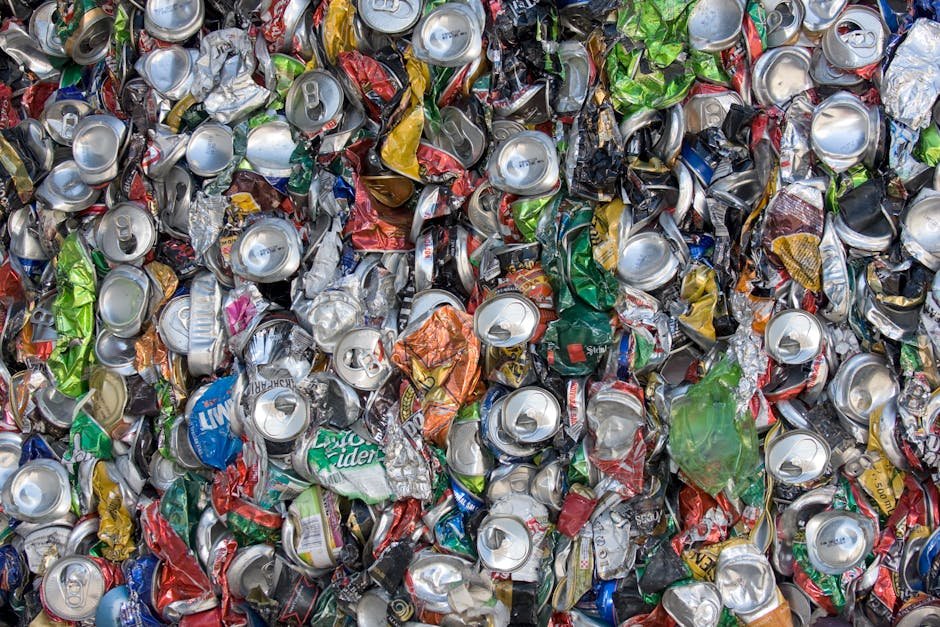
- Cans: Aluminium cans have a lower price per kg than other forms of scrap, but the volume can still make it profitable. See Aluminum Can Recycling Prices How To Maximize Your Earnings for more details.
- Castings: Value depends on the alloy and cleanliness.
- Wire/Cable: Requires separation of the aluminium conductor from the insulation.
- Location: Transportation costs can influence prices, with recyclers in remote areas potentially offering lower prices.
- Market Conditions: Local and global economic conditions, as well as seasonal fluctuations in demand, can impact prices.
Current Aluminium Recycling Prices in Australia (Per Kg)
As of early 2024, here’s a general guide to aluminium recycling prices in Australia. *Please note these are approximate and can vary significantly based on the factors mentioned above.*
- Clean Aluminium Sheet/Plate: $2.50 – $3.50/kg
- Aluminium Extrusion: $2.80 – $3.80/kg
- Aluminium Cans: $1.50 – $2.20/kg
- Aluminium Castings: $1.80 – $2.70/kg
- Mixed Aluminium Scrap: $1.20 – $2.00/kg (depending on contamination)
It’s essential to contact local scrap metal recyclers for accurate quotes. Prices can change daily, so obtaining multiple quotes is recommended. Don’t forget to check out what others are paying for steel recycling prices near me: https://scrap.trade/steel-recycling-prices-near-me-2024-market-value-insights/.
Maximizing Your Returns on Aluminium Scrap
Here are some practical tips to help you get the best price for your aluminium scrap:
- Sort Your Scrap: Separate aluminium from other metals (steel, copper, brass) and non-metallic materials.
- Clean Your Scrap: Remove any dirt, paint, plastic, or other contaminants.
- Separate Alloys: If possible, identify and separate different aluminium alloys.
- Compress Your Scrap: Compacting aluminium cans or sheet metal can reduce transportation costs and potentially increase your price.
- Obtain Multiple Quotes: Contact several local scrap metal recyclers to compare prices.
- Negotiate: Don’t be afraid to negotiate, especially if you have a large quantity of scrap.
- Consider Transportation: Factor in transportation costs when comparing quotes.
Finding Reputable Aluminium Recyclers in Australia
Choosing a reputable recycler is crucial for ensuring fair prices and responsible recycling practices. Look for recyclers who:
- Are licensed and compliant with environmental regulations.
- Offer transparent pricing.
- Have a good reputation in the recycling community.
- Provide clear weighing and payment procedures.
- Offer convenient drop-off or collection services.
You can find a directory of Australian scrap metal recyclers on ScrapTrade.com.au. Always verify the recycler’s credentials before doing business with them.
The Future of Aluminium Recycling Prices
The future of aluminium recycling prices is likely to be influenced by several key trends. Increased global demand for aluminium, driven by the transition to electric vehicles and renewable energy infrastructure, is expected to put upward pressure on prices. Advancements in recycling technology, such as improved sorting and purification processes, could also increase the value of recycled aluminium. Furthermore, stricter environmental regulations and a growing focus on sustainability will likely incentivize greater aluminium recycling rates. The continued development of closed-loop recycling systems, where aluminium is recycled back into the same application, will also play a significant role in shaping the future of the industry. Understanding these trends will help you make informed decisions about when and how to sell your aluminium scrap.
Conclusion
Navigating aluminium recycling prices requires understanding the complex interplay of global market forces, alloy composition, scrap quality, and local conditions. By staying informed, sorting your scrap effectively, and choosing a reputable recycler, you can maximize your returns and contribute to a more sustainable future. Remember to regularly check metal prices today and obtain multiple quotes to ensure you’re getting the best possible price for your aluminium scrap.
Frequently Asked Questions
What is the most valuable type of aluminium scrap?
Clean, sorted aluminium extrusion and sheet/plate generally command the highest prices due to their consistent alloy composition and ease of processing. Minimally contaminated scrap is key.
How often do aluminium recycling prices change?
Aluminium recycling prices fluctuate daily, sometimes even multiple times a day, based on changes in the LME price, currency exchange rates, and local market conditions. Regular monitoring is essential.
What should I do with mixed aluminium scrap?
Mixed aluminium scrap will fetch a lower price than sorted scrap, but it’s still valuable. Contact a recycler to inquire about their acceptance criteria and pricing for mixed materials.
Where can I find a reliable scrap metal recycler near me?
You can use online directories like ScrapTrade.com.au to find licensed and reputable scrap metal recyclers in your area. Always verify their credentials before doing business.